
Chris Mucyo
Author
Africa
Mucyo Chris reports on Market Trends and ecosystem People for African Tech Daily. An Entrepreneurial Leadership student at ALU Kigali, he focuses on the business growth strategies and customer success dynamics shaping the African tech landscape.
Areas of Expertise
Recent Articles by Chris Mucyo

Nedbank’s New CIO Signals That the Future of Banking Will Be Shaped by Technology Leaders, Not Just Bankers
Nedbank has appointed former MTN South Africa executive Thulani Sibeko as its new Chief Information Officer (CIO), reinforcing the bank’s commitment to accelerating digital transformation. Sibeko, who previously served as MTN South Africa’s Chief Technology and Information Officer, brings extensive experience in telecommunications, enterprise technology, cybersecurity, and digital infrastructure. His appointment reflects a broader trend across Africa where banks are increasingly recruiting technology executives to lead innovation and strengthen digital competitiveness.

Nigeria’s 90,000km Fibre Project Could Become the Infrastructure That Powers Its Entire Digital Economy
Nigeria is moving forward with Project BRIDGE, an ambitious initiative to deploy 90,000 kilometres of fibre-optic infrastructure by 2030. The government plans to establish a Special Purpose Vehicle (SPV) to oversee the rollout under a public-private partnership model. Once completed, the project is expected to expand Nigeria's national fibre network to about 120,000 km, connect all 774 Local Government Areas, and significantly increase broadband penetration across the country.
MTN’s Airtime Lending Pause Reveals How Deeply Fintech Has Become Connected to Everyday Mobile Services
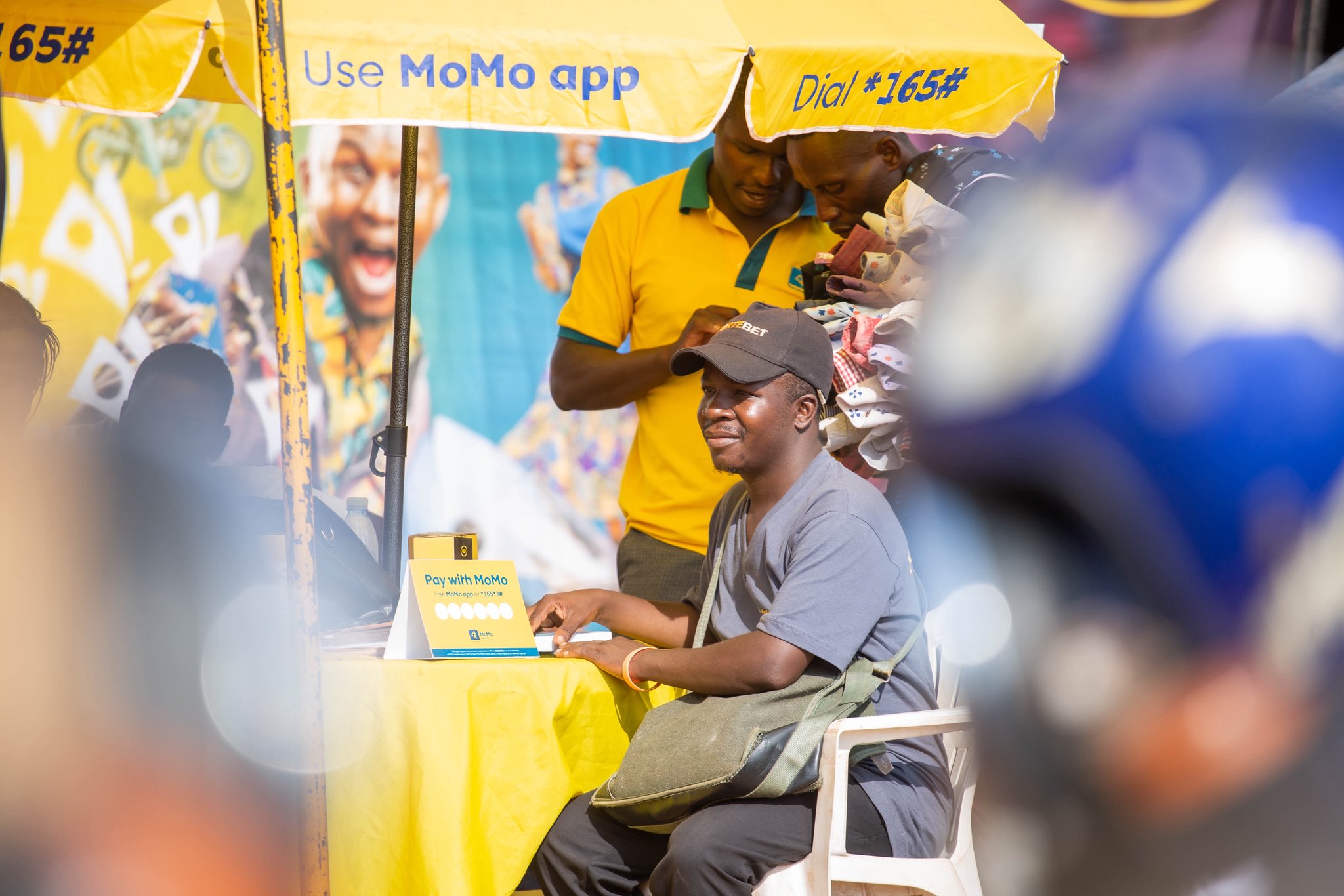
MTN Nigeria’s temporary suspension of its airtime and data credit service, Xtratime, has affected the revenue streams of fintech partners that depend on mobile lending transactions. The pause followed the introduction of new regulatory requirements for digital and non-traditional consumer lending services. The situation highlights how regulatory changes in Africa’s digital finance ecosystem can quickly affect businesses built around telecom-driven financial products.

Absa Kenya’s $31 Million Tech Bet Shows the Future of Banking Will Be Built by Automation, Not Branches
Absa Bank Kenya invested approximately KES 4 billion ($31 million) in technology during 2025, enabling it to automate 71% of its internal processes while moving 94% of customer transactions to digital and alternative channels. The investment covered cloud infrastructure, artificial intelligence, machine learning, robotic process automation, cybersecurity, and data analytics. The initiative highlights how Africa's banking sector is increasingly competing through technology-driven efficiency rather than physical expansion.

Airtel Money’s $1 Billion IPO Is More Than a Fundraising Plan, It’s a Test of Global Confidence in African Fintech
Airtel Africa plans to spin off Airtel Money through an initial public offering (IPO) on the London Stock Exchange (LSE), aiming to raise between $1 billion and $2 billion at a reported valuation of around $10 billion. If successful, it would become one of London's biggest IPOs in recent years and one of Africa's largest fintech listings. Beyond raising capital, the offering will test whether global investors are ready to back African fintech businesses at scale.
MTN’s Stand on South Africa’s Migration Crisis Shows Businesses Can No Longer Stay Silent on Social Issues
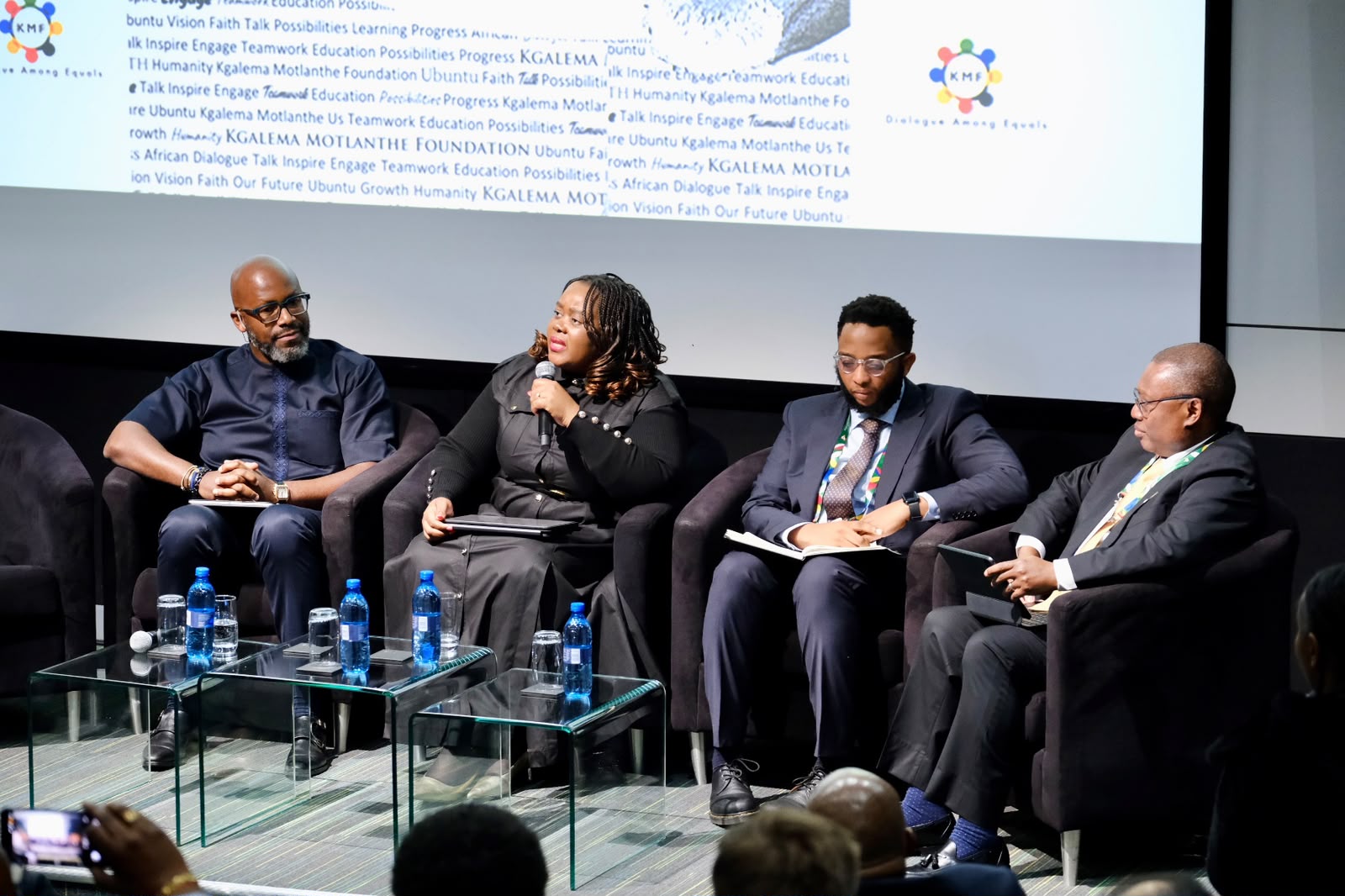
As anti-immigration tensions intensified in South Africa, MTN publicly called for calm and backed efforts to resolve the country's migration crisis peacefully. For one of Africa's largest multinational companies, remaining silent was no longer an option. The situation demonstrates that major businesses are increasingly expected to respond to social and political issues when they threaten employees, customers, operations, and regional relationships.

Kenya’s Court Ruling Could Redefine Digital Lending by Rewarding Compliance Over Rapid Growth
A Kenyan court has ruled that unlicensed digital lenders cannot use the courts to recover unpaid loans, reinforcing the importance of obtaining regulatory approval from the Central Bank of Kenya (CBK) before operating. The decision strengthens consumer protection while sending a clear message that compliance is no longer optional for fintech lenders. More broadly, the ruling reflects Africa's shift toward a more regulated and accountable digital lending industry.

Zedcrest’s Acquisition of Leatherback Shows African Fintechs Are Entering the Global Expansion Era
Nigerian financial services group Zedcrest has acquired UK-founded cross-border payments startup Leatherback in a move to strengthen its global fintech presence. The acquisition combines Leatherback's international payments platform with Zedcrest's financial services expertise, capital, and institutional network. More than just another fintech deal, the acquisition reflects a growing trend of African financial companies expanding globally through strategic acquisitions rather than building every capability from scratch.

Africa’s AI Future Will Be Powered by Electricity Before It Is Powered by Algorithms
The International Monetary Fund (IMF) says artificial intelligence could increase Sub-Saharan Africa's GDP by about 4% over the next decade, but only if countries first address major gaps in electricity, internet connectivity, digital infrastructure, and technical skills. Without these foundations, AI's economic contribution could remain as low as 0.2%, highlighting that Africa's biggest AI challenge is not innovation—it is infrastructure.
Kenya’s New Crypto Rules Could Transform the Country Into One of Africa’s Most Regulated Digital Asset Markets
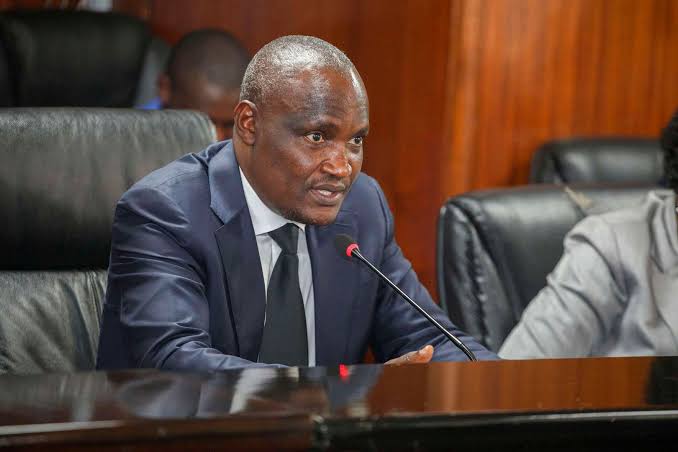
Kenya has introduced the Virtual Asset Service Providers (VASP) Regulations, 2026, establishing detailed rules for cryptocurrency exchanges, wallet providers, stablecoin issuers, brokers, and other digital asset businesses. The regulations introduce licensing requirements, consumer protection measures, cybersecurity standards, and anti-money laundering obligations. The framework marks one of Africa's most comprehensive efforts to regulate virtual assets while encouraging innovation within a formal legal system.
Airtel Nigeria’s Retail Expansion Shows That Africa’s Digital Future Still Depends on Physical Access
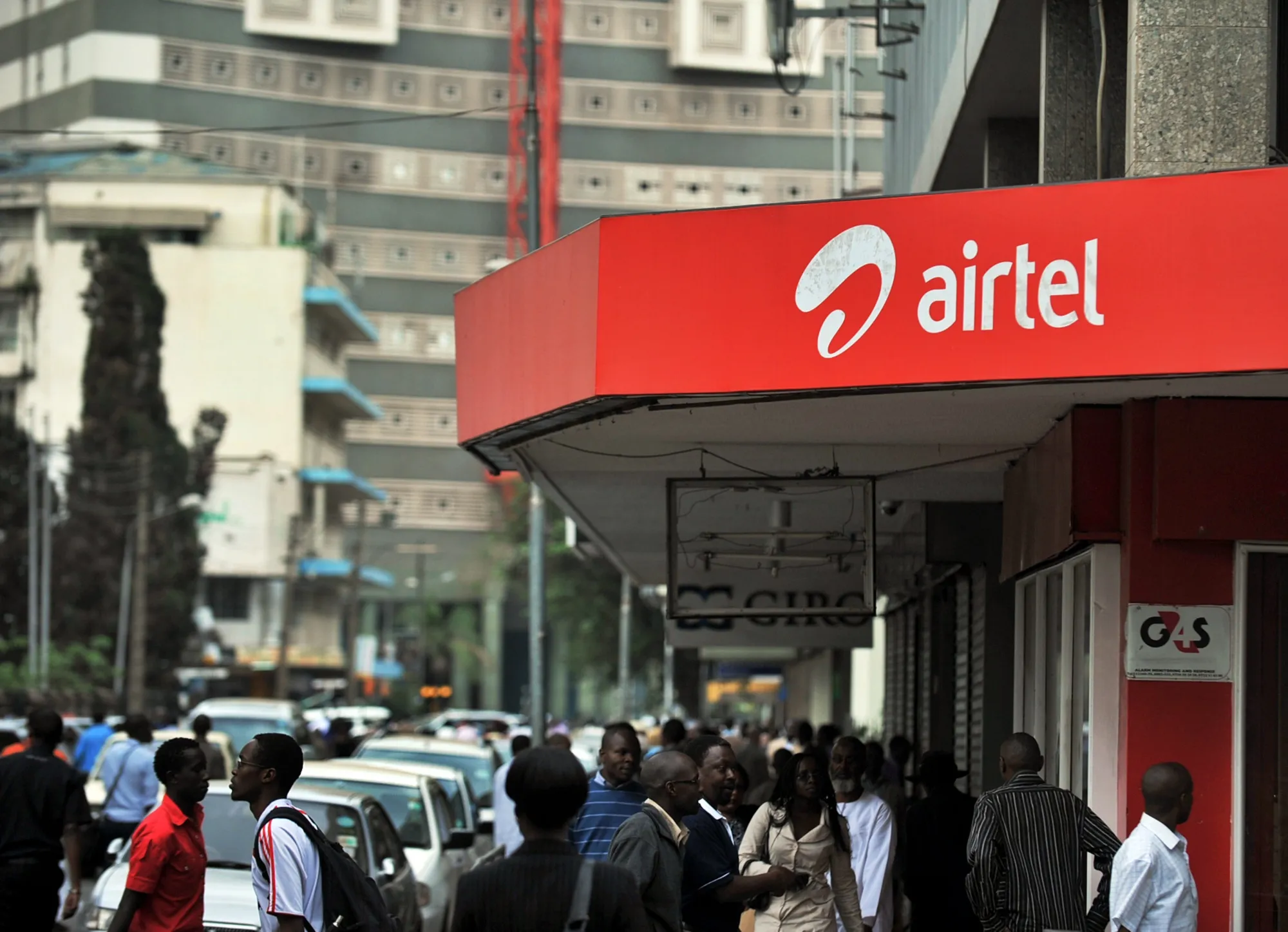
Airtel Nigeria has expanded its retail network to more than 200,000 customer touchpoints and over 4,000 exclusive shops nationwide as it competes to capture growing demand for mobile connectivity and digital services. The expansion will improve access to SIM registration, airtime and data purchases, device sales, customer support, and other digital solutions. The move highlights an important reality in Africa’s digital economy: even as services become more digital, physical distribution networks remain essential for reaching millions of customers.

Credit Direct Is Changing the Meaning of Sending Money by Turning Gifts Into Financial Growth
Nigerian fintech Credit Direct has introduced Gift A Yield, a feature that allows users to gift an investment plan to another person instead of sending traditional cash. Built on the company’s existing Yield platform, the product transforms money transfers into long-term financial opportunities by allowing recipients to grow the funds they receive. The move reflects a broader shift in African fintech, where companies are moving beyond payments and creating products focused on wealth building and customer relationships. (

Stablecoins Could Become the Missing Link That Finally Makes AfCFTA Work at Scale
The African Continental Free Trade Area (AfCFTA) aims to increase trade between African countries, but inefficient cross-border payment systems continue to slow progress. Industry experts argue that stablecoins could become the digital settlement infrastructure that helps businesses move money faster, reduce transaction costs, and improve liquidity across borders. Rather than replacing banks, stablecoins may serve as the invisible payment layer that allows AfCFTA's economic ambitions to become a practical reality.
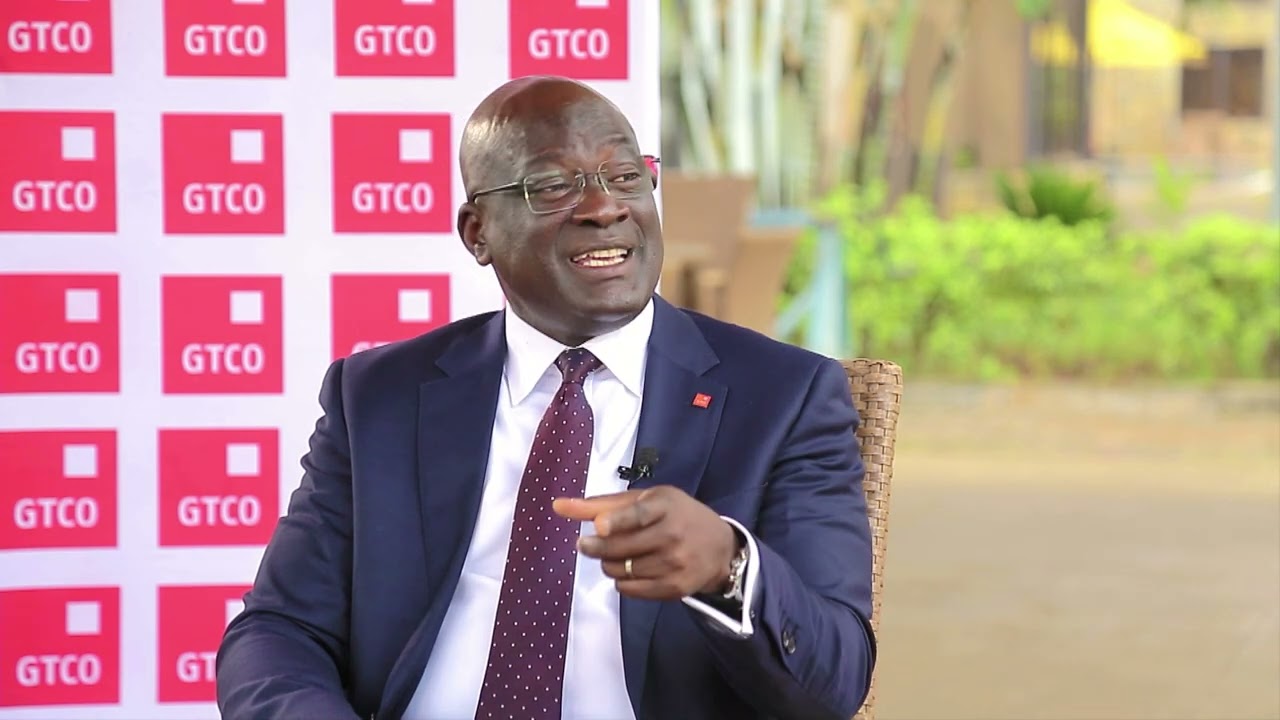
GTBank Kenya’s Leadership Search Shows That Winning Africa’s Banking Race Depends on More Than Digital Innovation
GTBank Kenya has begun the search for a new Managing Director following the recall of Jubril Adeniji to Nigeria after completing his tenure. Adeniji will remain in office during a 90-day transition period while the bank seeks regulatory approval for a successor. The leadership change comes as GTBank Kenya continues pursuing growth in one of Africa’s most competitive banking markets, where digital banking, agency banking, and financial innovation are reshaping customer expectations.

South Sudan’s New Visa Rules Show How Politics Can Reshape Regional Trade Overnight
South Sudan has announced new visa requirements for citizens of Kenya, Rwanda, and Uganda, ending years of visa-free travel between the countries. The decision comes amid growing diplomatic and administrative tensions and raises fresh questions about regional integration within the East African Community (EAC). Beyond immigration policy, the move highlights how political decisions can directly affect trade, business mobility, and cross-border investment.
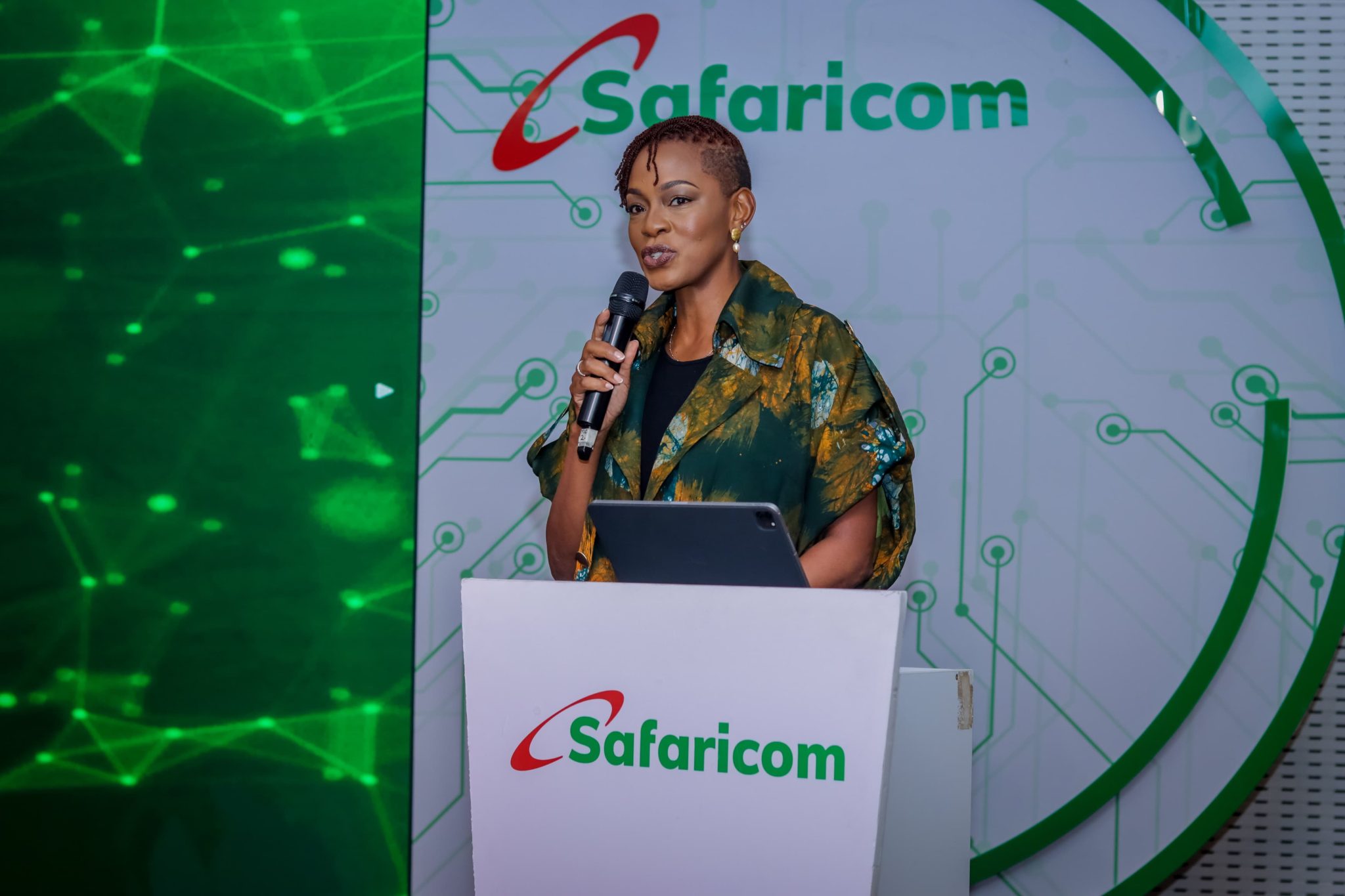
Esther Waititu’s Exit Signals That Leadership Has Become a Strategic Asset in Africa’s Digital Finance Race
Safaricom's Chief Financial Services Officer, Esther Waititu, will leave the company on 31 July 2026 after nearly three years leading its financial services business. During her tenure, she oversaw key developments across M-PESA and Safaricom's broader digital finance strategy. Her departure highlights how executive leadership has become increasingly important as telecom companies evolve into financial technology platforms.

Iron Capital’s Euromoney Award Signals a Bigger Shift in How African Businesses Are Being Financed
Iron Capital Markets has been named Nigeria’s Best Investment Bank for Financing Solutions at the 2026 Euromoney Awards for Excellence. The award recognises the firm's work in structuring financing across infrastructure, capital markets, mergers and acquisitions, and corporate finance. Beyond celebrating one institution, the recognition reflects a broader shift in African finance, where innovative capital solutions are becoming increasingly important for economic growth.

GoCab’s EV Rollout With Yango Shows Africa’s Electric Mobility Race Is Entering a Commercial Scale
Mobility fintech GoCab has deployed 100 electric vehicles in Abidjan as part of Yango’s fleet, marking the first phase of a planned 200-vehicle programme. The rollout follows GoCab’s $45 million funding round earlier this year and represents one of Africa’s largest operational fleets of electric ride-hailing cars. More importantly, it demonstrates that Africa’s electric vehicle transition is moving beyond pilot projects toward commercially viable transport networks.
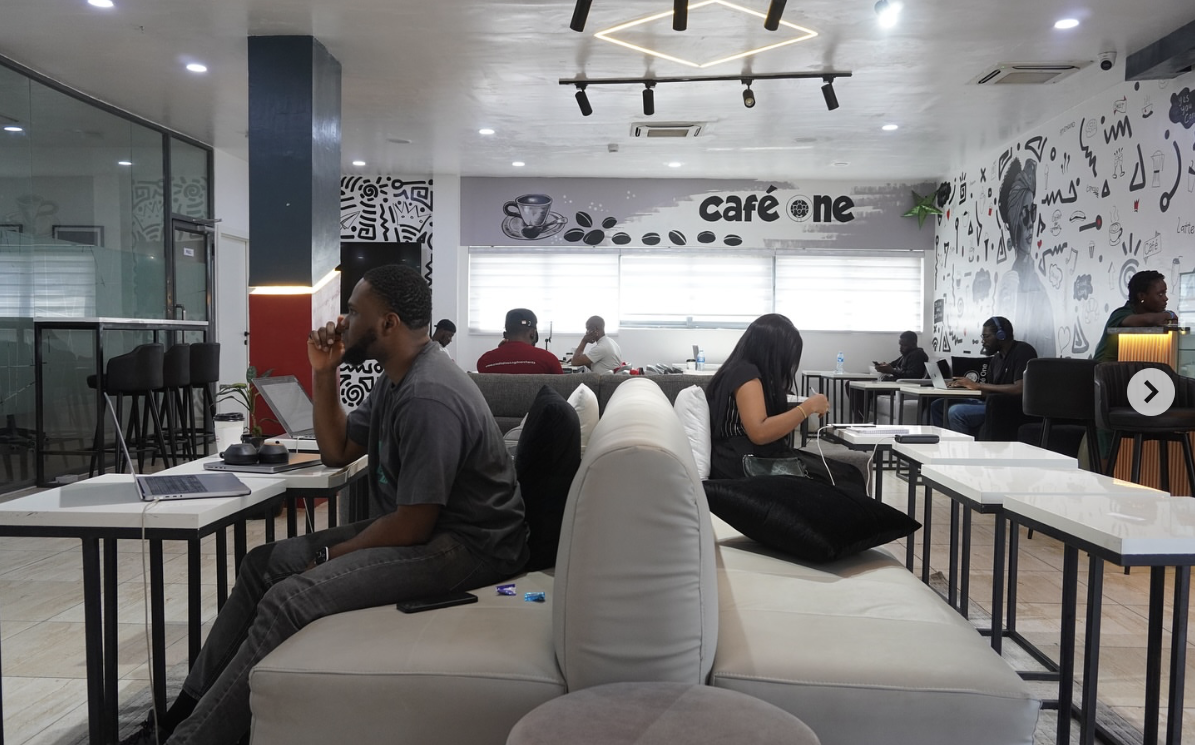
Decide’s Enterprise AI Push Shows Africa’s AI Race Is Moving From Individual Users to Entire Workplaces
Nigerian AI startup Decide has launched Decide for Work, an enterprise-focused platform designed to bring its AI-powered spreadsheet analysis tool into workplaces, universities, and professional communities. Its first partnership with CafeOne, one of Nigeria's largest co-working networks, gives eligible members access to premium AI features. The move reflects a broader shift in Africa's AI market, where the next stage of growth will come from organisation-wide adoption rather than individual subscriptions.

Your Next Career Advantage May Come From Training an AI to Understand You, Not Just Your Résumé
As artificial intelligence becomes deeply integrated into recruitment, a new trend is emerging: professionals are building personalised AI career assistants trained on their own résumés, work history, skills, and career goals. Rather than using AI simply to write CVs or cover letters, job seekers are teaching AI to understand their professional journey so it can provide tailored career advice, interview preparation, and job recommendations. The shift suggests that AI is evolving from a writing tool into a long-term career partner.

Supercell’s African Grants Show the Gaming Industry Is Finally Investing in Studios, Not Just Talent
Finnish gaming giant Supercell has opened applications for its first Developer Grants Program for African game studios, offering equity-free grants ranging from $20,000 to $200,000. The initiative is designed to help legally registered studios scale their businesses while retaining full ownership of their companies and intellectual property. The programme signals growing international confidence in Africa's gaming industry and highlights a shift toward building sustainable game studios rather than funding individual projects.
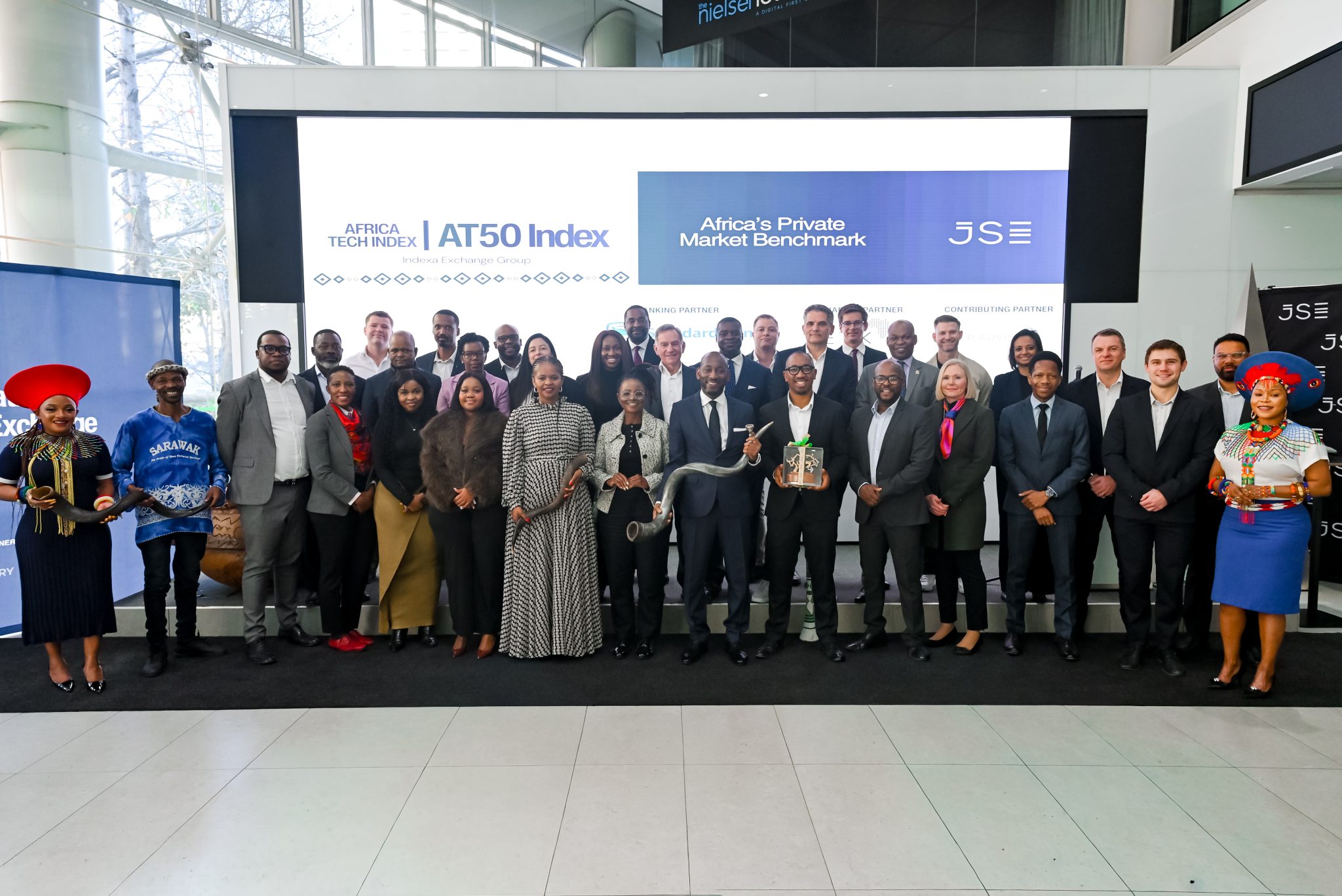
Why the JSE Is Betting on Startups Before They Are Ready for the Stock Market Brief Abstract
The Johannesburg Stock Exchange (JSE) has launched African Activation at 50 (AT50), a new initiative designed to help African startups become investment-ready long before they consider listing on a public exchange. The programme reflects a growing recognition that Africa’s capital markets are losing promising companies not because they refuse to list, but because many never become institutionally investable in the first place. TechCabal
South Africa’s Instant Payment Debate Shows the Future of Banking May Be Defined by Fees, Not Speed
More than three years after the launch of PayShap, South Africa's real-time payment system, many banks continue to charge customers for instant transfers. While the technology has made real-time payments widely available, pricing strategies now vary significantly across banks. The debate is shifting from whether instant payments are possible to whether they should still be treated as a premium service.

Why Africa’s Biggest Funding Problem Isn’t Raising Millions—It’s Finding the First $50,000
While billion-dollar startup rounds often dominate headlines, many African businesses struggle to raise their first $50,000–$500,000. According to investment advisor Francis Nasyomba, this "missing middle" has become one of the continent's biggest financing gaps. The challenge is not a lack of capital in Africa, but a mismatch between the type of funding available and the businesses that need it most.
Africa’s Crypto Payment Boom Will Be Decided by Everyday Spending, Not Crypto Trading
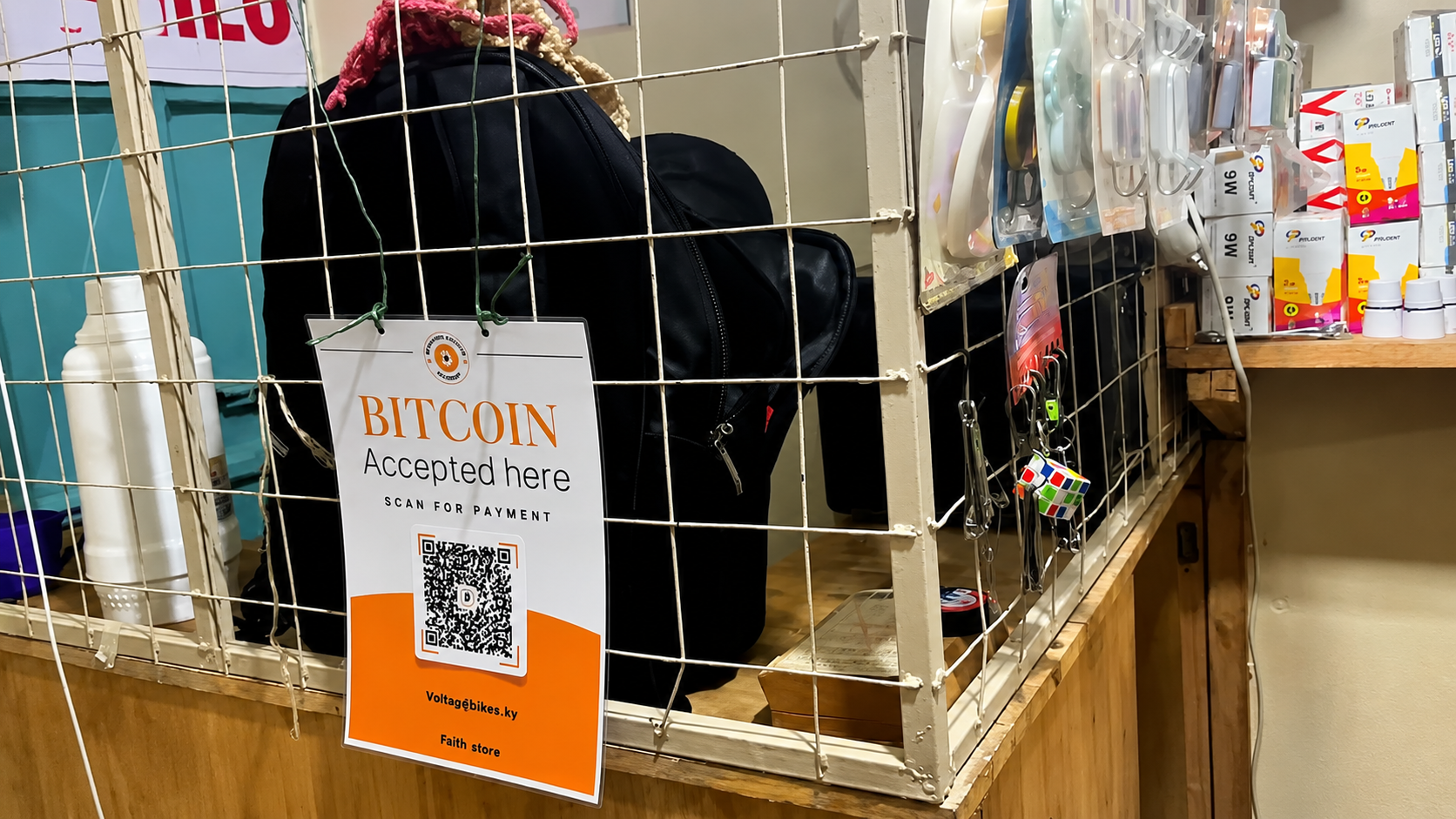
Crypto payments are gradually moving from a niche feature for digital asset enthusiasts to a practical payment option for businesses across Africa. Startups are increasingly integrating Bitcoin and stablecoin payments into their platforms, driven by freelancers, creators, remote workers, and cross-border businesses that already earn and save in digital currencies. The trend suggests that the future of crypto payments depends less on speculation and more on solving real-world payment challenges.
Kenya’s SIM Swap Ruling Is Redefining Who Is Responsible for Digital Fraud
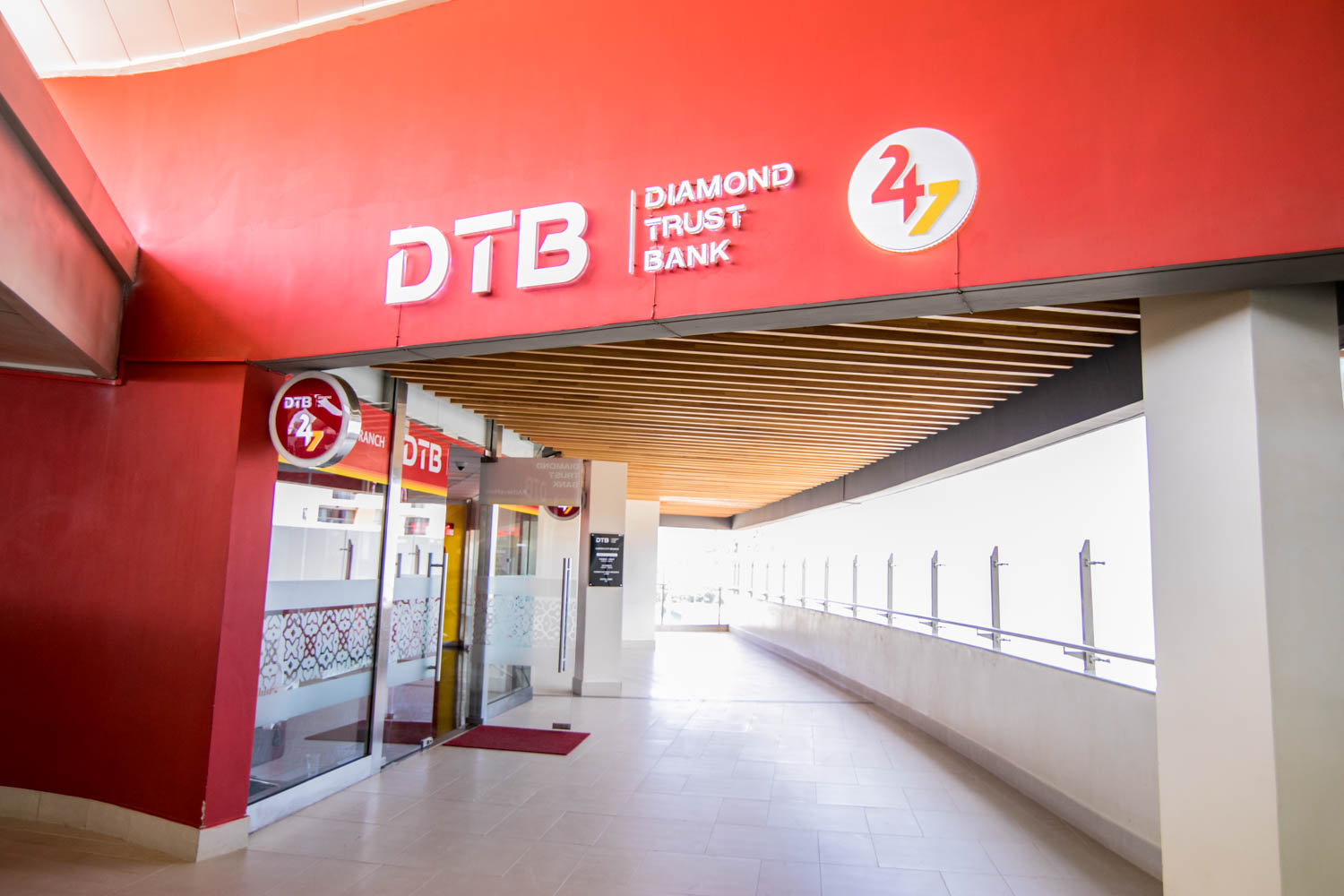
A Kenyan High Court has ruled that Diamond Trust Bank (DTB) and Safaricom must share liability for losses suffered by a customer whose account was emptied through a SIM swap fraud. The landmark decision establishes that banks and telecommunications companies have independent responsibilities to protect customers from digital fraud, signalling a major shift in accountability as financial services become increasingly interconnected.
West Africa’s AI Future Will Depend Less on Software and More on the Infrastructure Behind
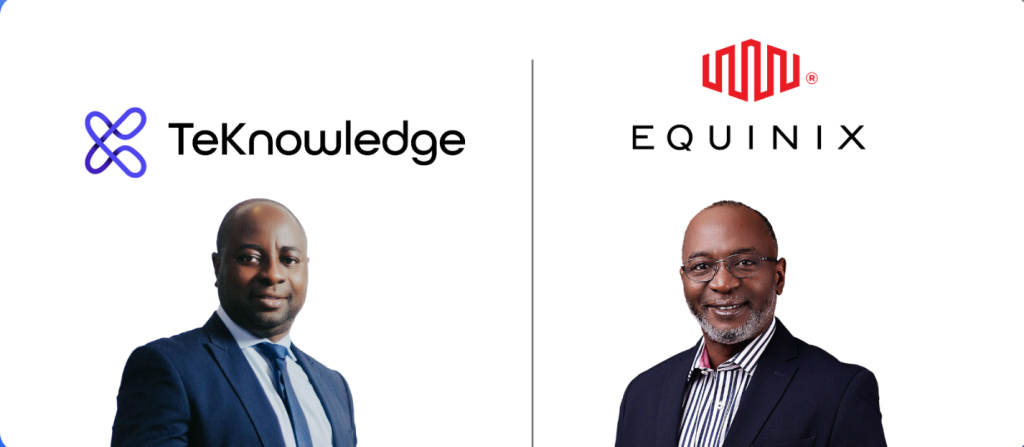
Global technology services company TeKnowledge has partnered with Equinix to accelerate secure hybrid cloud adoption and AI-ready digital infrastructure across West Africa. The collaboration combines Equinix's global data centre platform with TeKnowledge's expertise in AI, cybersecurity, and cloud services, reflecting a broader shift in Africa's digital economy where infrastructure is becoming the foundation for enterprise AI adoption.
As AI Decides Who Gets Credit, Financial Accountability Must Evolve Just as Fast
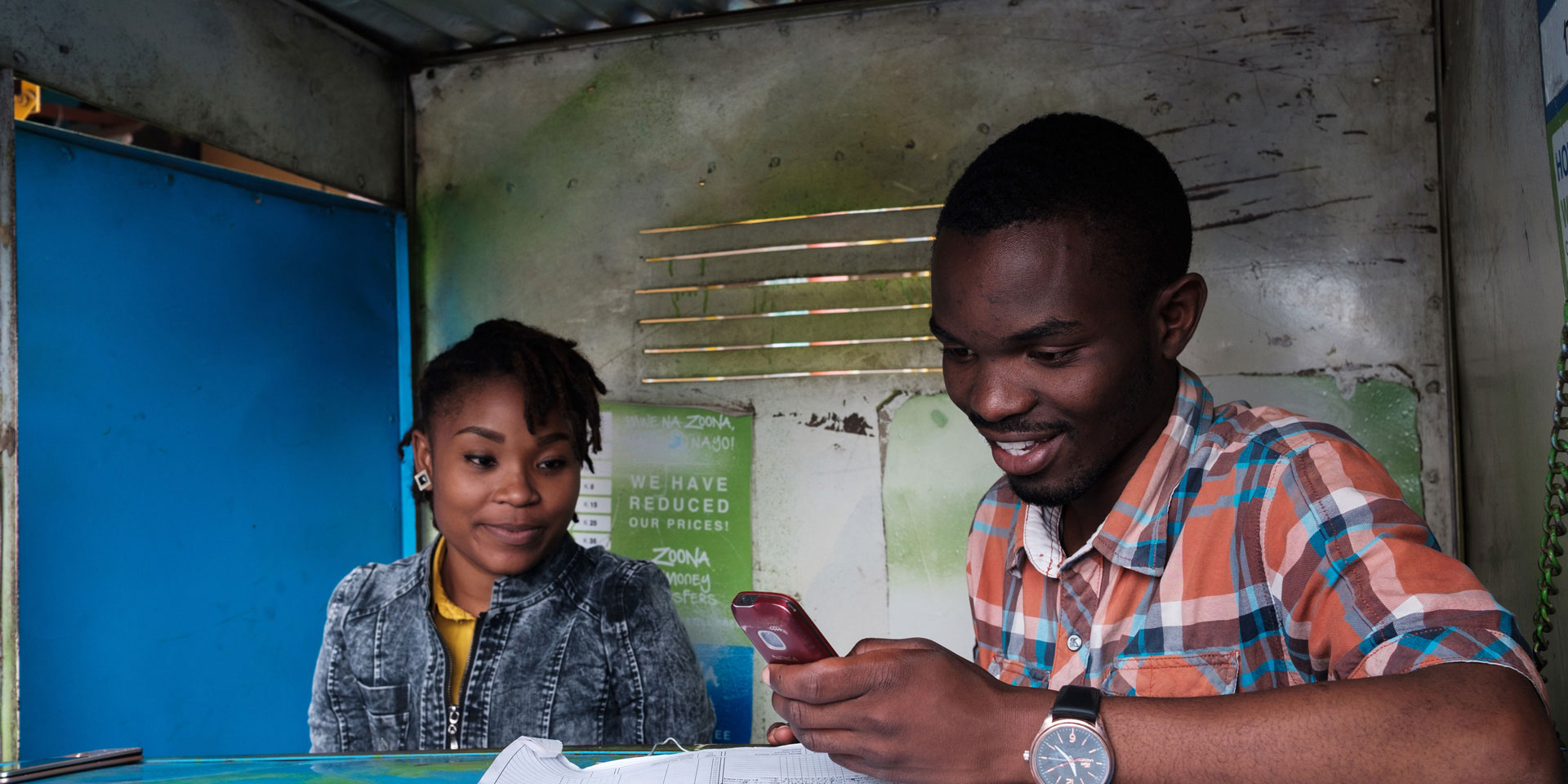
Artificial intelligence is becoming a core part of Nigeria's financial services industry, influencing credit decisions, fraud detection, customer verification, and complaint resolution. While these technologies are helping expand financial inclusion and improve efficiency, they also raise a fundamental question: who is accountable when an algorithm makes the wrong decision? As AI becomes more embedded in finance, governance and transparency are becoming just as important as innovation.

Accrue Business Shows Stablecoins Are Moving Beyond Crypto Into Everyday Business Banking
African fintech Accrue has launched Accrue Business, a stablecoin-powered banking platform designed for small and medium-sized enterprises (SMEs). The platform enables businesses to hold stablecoins, receive international payments, pay suppliers, manage payroll, and access virtual USD and EUR accounts. The launch signals a broader shift in African fintech, where stablecoins are evolving from investment assets into infrastructure for cross-border business banking.

JéGO and GoCab’s 6,000 EV Deal Shows Africa’s Electric Mobility Future Depends on Financing, Not Just Cars
JéGO and mobility startup GoCab have signed a partnership to deploy 6,000 electric vehicles across Senegal, Côte d’Ivoire, Ghana, and Nigeria over the next 24 months. The agreement targets commercial drivers using platforms such as Uber, Bolt, and inDrive, addressing one of Africa’s biggest barriers to EV adoption: the high upfront cost of electric vehicles. The partnership highlights how financing models and fleet ownership solutions may determine the speed of Africa’s transition to electric mobility.

Gigbanc’s Shutdown Shows the New Reality of African Fintech: Growth Alone Is Not Enough
Nigerian fintech startup Gigbanc is winding down operations after failing to secure the capital needed to continue scaling its business. The decision highlights a wider challenge facing African fintech companies: as the industry matures, access to funding, regulatory strength, and sustainable business models are becoming just as important as rapid customer growth. The shutdown follows a broader pattern of fintech consolidation across Africa, where companies are being forced to prove long-term viability rather than simply attract users.
Nigeria’s AI Ranking Shows the Next Race Is About Governing AI, Not Just Building It
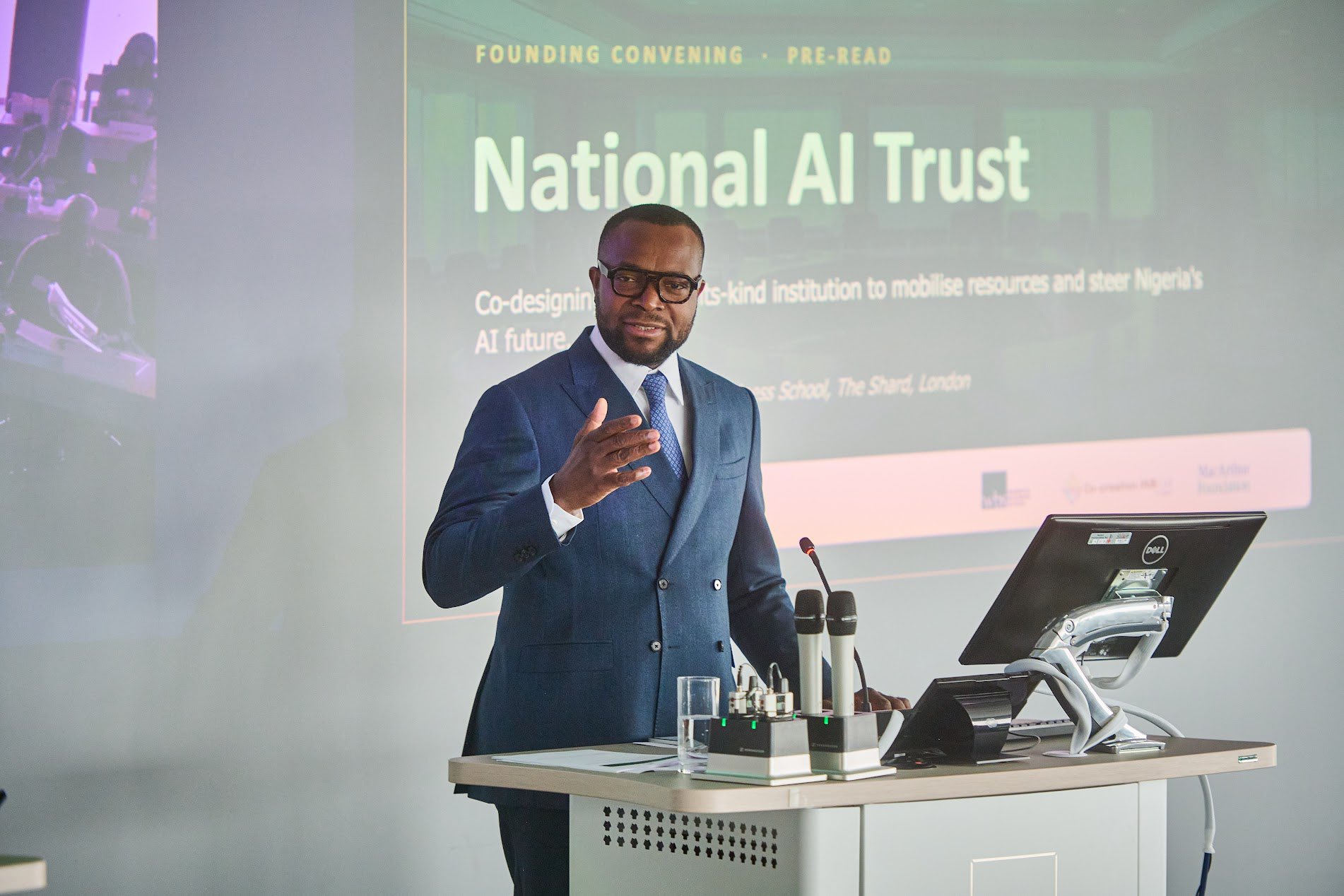
Nigeria has become Africa's highest-ranked country in the 2026 Global Index on Responsible AI (GIRAI), climbing from 80th globally in 2024 to 38th place with a score of 45.93. The achievement reflects significant progress in AI governance, policy development, and digital safeguards, highlighting a shift in Africa's AI landscape from adoption alone to responsible innovation.

Refiant AI’s 10-Million-Token Model Signals Africa Is Entering the Global AI Infrastructure Race
South Africa-founded Refiant AI has launched Protea, a new family of AI models capable of processing up to 10 million tokens in a single prompt. The launch positions the startup among a small group of companies pushing the limits of long-context AI and demonstrates that African startups are beginning to compete not only in AI applications but also in core AI infrastructure and model development.

Nigeria’s Telemedicine Revival Shows Digital Healthcare Is Finally Matching How People Live
After years of slow adoption and limited investor confidence, Nigeria's telemedicine sector is experiencing renewed growth. Changing consumer behaviour, stronger digital payment adoption, and increasing support from Health Maintenance Organizations (HMOs) are transforming virtual healthcare from a niche service into a scalable business opportunity. The resurgence suggests that telemedicine's biggest challenge was never the technology—it was market readiness.
Sycamore’s Licence Revocation Shows Why Compliance Can Matter More Than Growth in Fintech
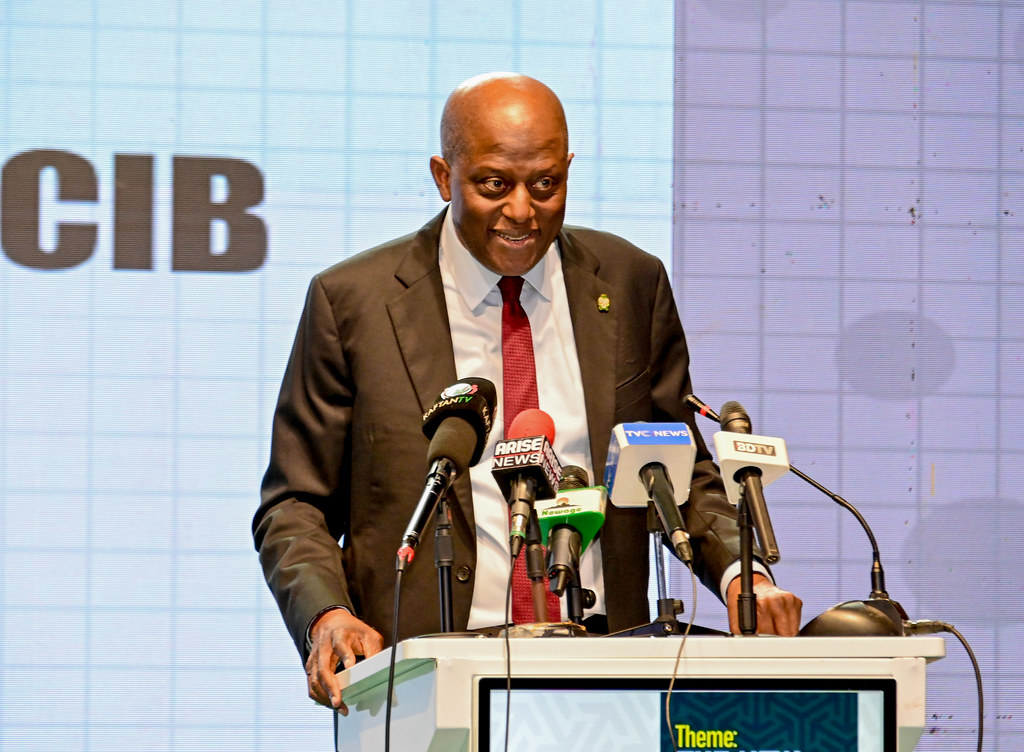
The Central Bank of Nigeria (CBN) has revoked the operating licence of the microfinance bank acquired by Sycamore as part of a broader purge that affected 46 microfinance banks. Sycamore says the revocation relates to legacy compliance issues that existed before the acquisition and does not affect its lending or asset management businesses. The incident highlights an increasingly important lesson in African fintech: acquiring a licence also means inheriting its regulatory history.

Starlink’s Waiting List in Kenya Shows Demand Is Growing Faster Than Satellite Capacity
Starlink has stopped accepting new residential orders in seven Kenyan counties after demand exceeded the network capacity allocated to the country. New customers in Nairobi, Kiambu, Mombasa, Machakos, Murang’a, Kirinyaga, and Kwale are now being placed on a waiting list until additional satellite capacity becomes available. The pause highlights a new challenge for the satellite internet provider: scaling infrastructure quickly enough to match its rapid adoption across Africa.
Safaricom’s Governance Changes Show Ownership Is Beginning to Shape Strategy More Directly
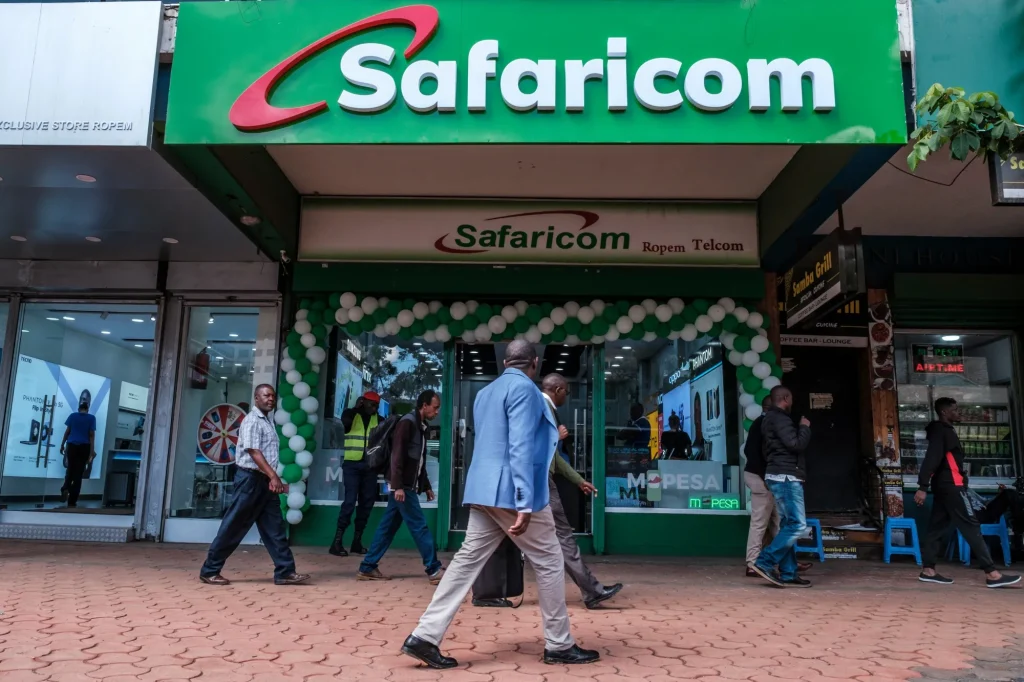
Safaricom will ask shareholders to approve changes to its Articles of Association that would give majority shareholder Vodafone Kenya the right to nominate the company's Chief Executive Officer and executive directors for as long as it owns more than 50% of the business. The proposal follows Vodafone Kenya's increase in ownership to 55%, signalling a significant shift in how one of Africa's largest telecom companies will be governed.

South Africa’s Digital Transformation Problem Isn’t Technology: It’s the System Meant to Deliver It
A new Public Service Commission (PSC) investigation has found that South Africa's State Information Technology Agency (SITA) has become one of the country's biggest barriers to digital transformation. While billions of rand in irregular expenditure have drawn attention, the deeper issue is persistent procurement delays, weak execution, and leadership instability that continue to slow the rollout of critical government technology systems.
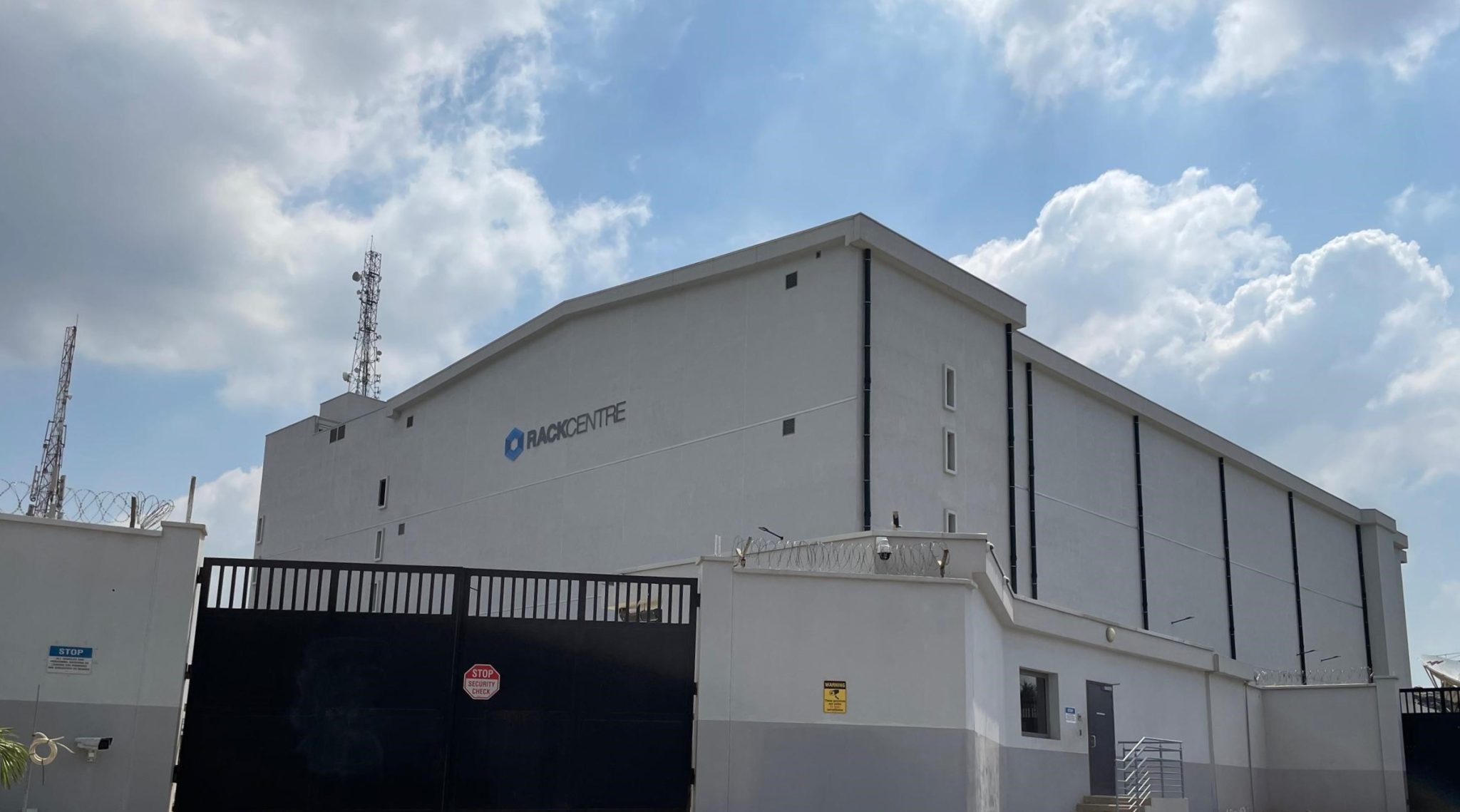
Nigeria’s New Data Rules Could Transform Local Data Centres Into Critical Financial Infrastructure
The Central Bank of Nigeria (CBN) has directed banks, fintechs, and payment companies to store all payment transaction data within Nigeria by January 1, 2027. While the policy is designed to strengthen regulatory oversight and data sovereignty, it also places Nigeria's growing data centre industry under its biggest test yet. The success of the directive will depend not only on compliance but also on whether local infrastructure can support one of Africa's largest digital payments ecosystems.

GTCO’s 200,000 PoS Terminals Show Banks Are No Longer Chasing Customers, They’re Chasing Merchants
GTCO, through its fintech subsidiary HabariPay, plans to deploy 200,000 Point-of-Sale (PoS) terminals across Nigeria in 2026 as it seeks to challenge fintech giants such as Moniepoint, OPay, and PalmPay. The expansion signals a major strategic shift for traditional banks, which are increasingly adopting the merchant-first model that fintechs have used to dominate Nigeria's digital payments market.

Crypto-Backed Loans Are Emerging as Africa’s Next Lending Revolution
Crypto-backed lending is gaining traction across Africa as startups introduce products that allow users to borrow against digital assets instead of selling them. Companies like Busha are leading the shift, signalling that cryptocurrencies are beginning to serve not only as investment assets but also as financial collateral. The trend reflects a broader evolution in African fintech, where digital assets are gradually becoming part of mainstream financial services.
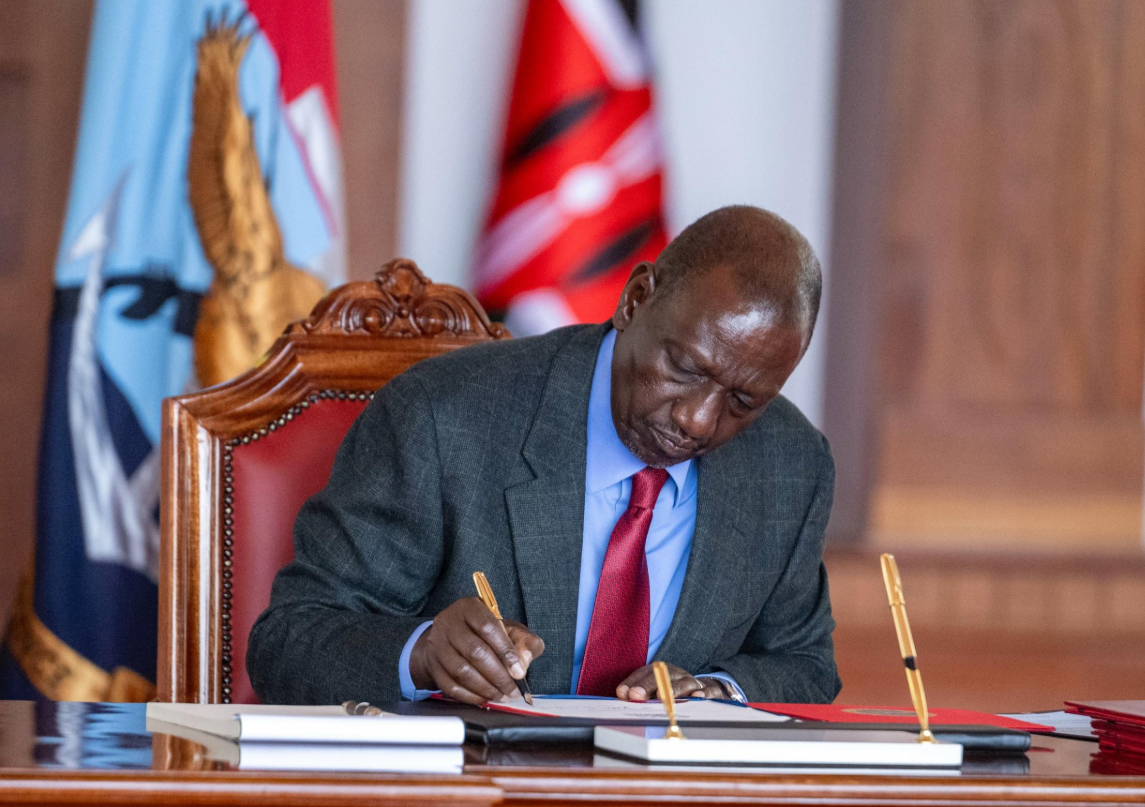
Kenya’s New Banking Rescue Law Is Really About Preventing the Next Financial Crisis
Kenya has amended the Central Bank of Kenya (CBK) Act to give the regulator clearer powers to provide emergency liquidity to struggling banks during periods of financial stress. While the reform strengthens the country's financial safety net, its broader significance lies in preparing the banking sector for future shocks before they escalate into full-scale crises.

Data Entry Academy’s Victory Shows Africa’s EdTech Opportunity Is Shifting From Classrooms to Careers
Lagos-based Data Entry Academy has won the United Nations Development Programme (UNDP) Get Ready 4 timbuktoo EdTech Accelerator, beating 1,429 applicants from across Africa to claim the $10,000 top prize. While the award celebrates one startup's achievement, it also reflects a broader shift in African edtech, where the focus is moving from traditional online learning to workforce development and job-ready digital skills.
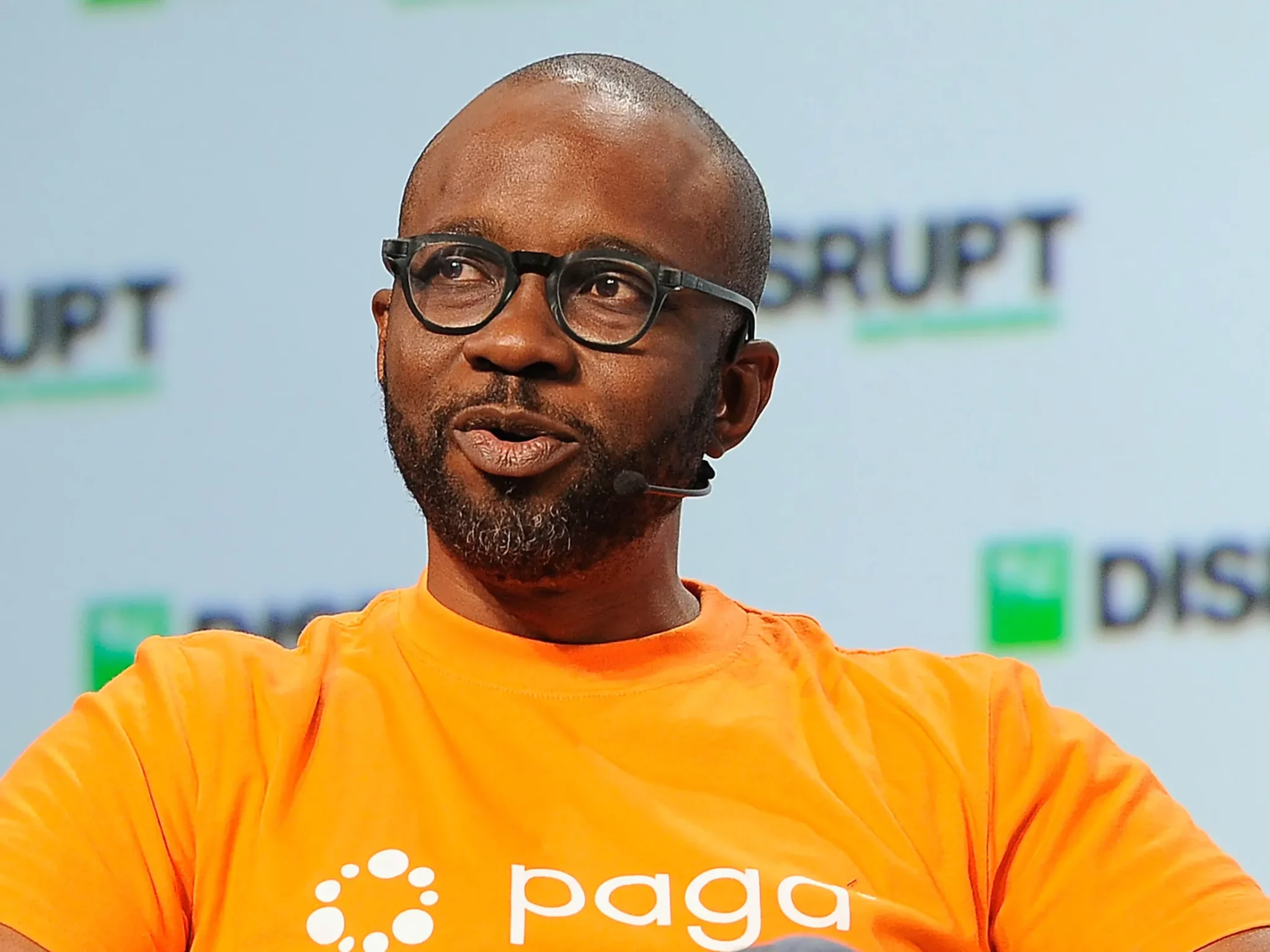
Paga’s Latest Bet Suggests Investing Could Soon Feel Like Making a Payment
Paga has partnered with blockchain infrastructure startup TBook to give consumers and businesses access to tokenised real-world assets (RWAs), including fixed-income products and private assets. The move expands Paga’s infrastructure strategy beyond payments into digital wealth management, signalling that the future of fintech may be less about moving money and more about helping users grow it.

South Africa’s New AI Surveillance Push Raises a Bigger Question About Public Safety and Privacy
South Africa has deployed drones, AI-powered surveillance, CCTV networks, and thousands of security personnel ahead of planned anti-migrant protests. While the move reflects the government's growing reliance on technology to prevent unrest, it also raises broader questions about how far AI-powered surveillance should go in balancing public safety with civil liberties.
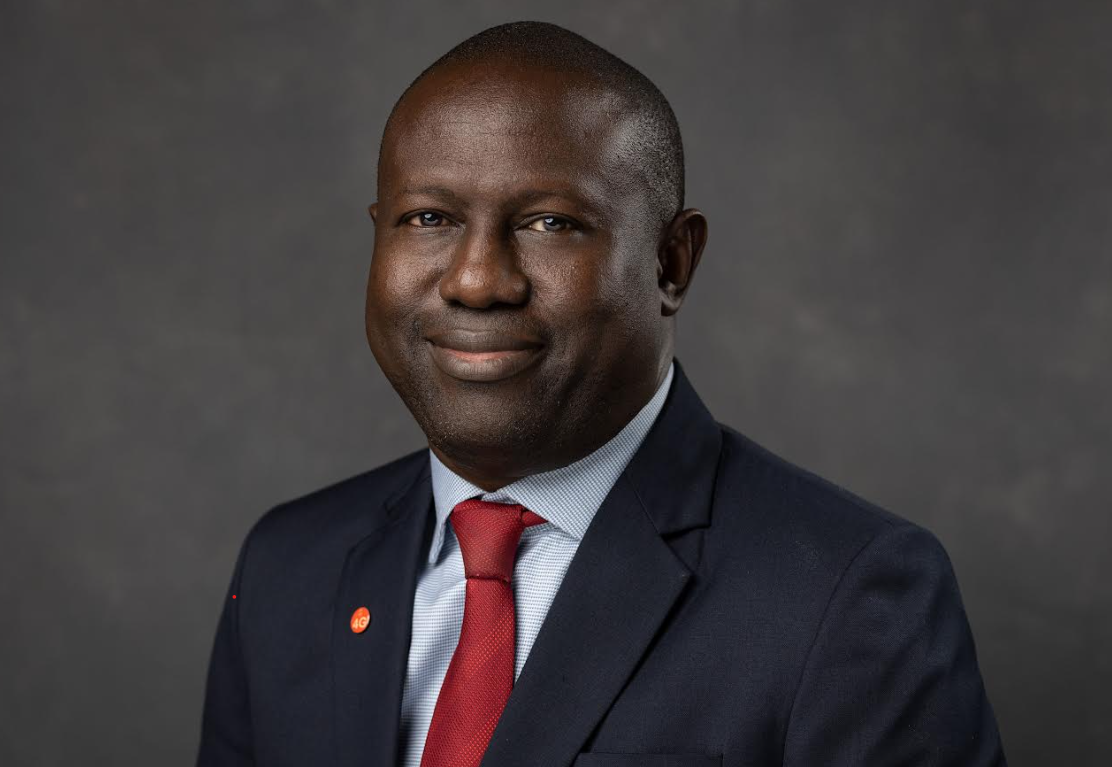
Airtel Kenya’s New CEO Appointment Is Really About the Battle for Market Share
Airtel Kenya has appointed Senegalese telecom executive Djibril Tobe as its new Managing Director, succeeding Ashish Malhotra at a time when competition with market leader Safaricom is intensifying. While leadership changes are common in telecoms, this appointment comes at a critical moment as Airtel seeks to convert recent subscriber gains into a stronger position in Kenya’s highly competitive telecom market.
CredAble Rebrands to _able as It Shifts From Credit Infrastructure to Embedded Finance Platform Play
CredAble has rebranded to _able, marking a strategic shift from being a working capital and credit infrastructure provider to a broader embedded finance and digital credit platform. The move reflects its ambition to power credit decisions, savings, and lending systems across banks, fintechs, and enterprises in emerging markets.

Paystack’s Small Business Push Shows Fintech Is Expanding Beyond Payments
Paystack has launched a Small Business Program designed to support Nigerian SMEs with tools, services, and access to partners that help them start, manage, and grow their businesses. The initiative begins with the Small Business Bundle, which offers eligible merchants up to ₦4 million in discounts across key business services. The move reflects a broader shift in fintech from pure payment processing toward becoming full business infrastructure providers.

South Africa’s Fan Tokens Are Testing Whether Sports Can Become a Financial Asset Class
South Africa’s blockchain-based fan token experiment is pushing sports deeper into the world of digital assets. The model blends fan engagement with tokenised value systems, allowing supporters to buy, trade, and interact with teams in ways that go beyond traditional merchandising or ticket sales. While still early, it raises a bigger question about whether sports fandom can evolve into a form of financial participation.
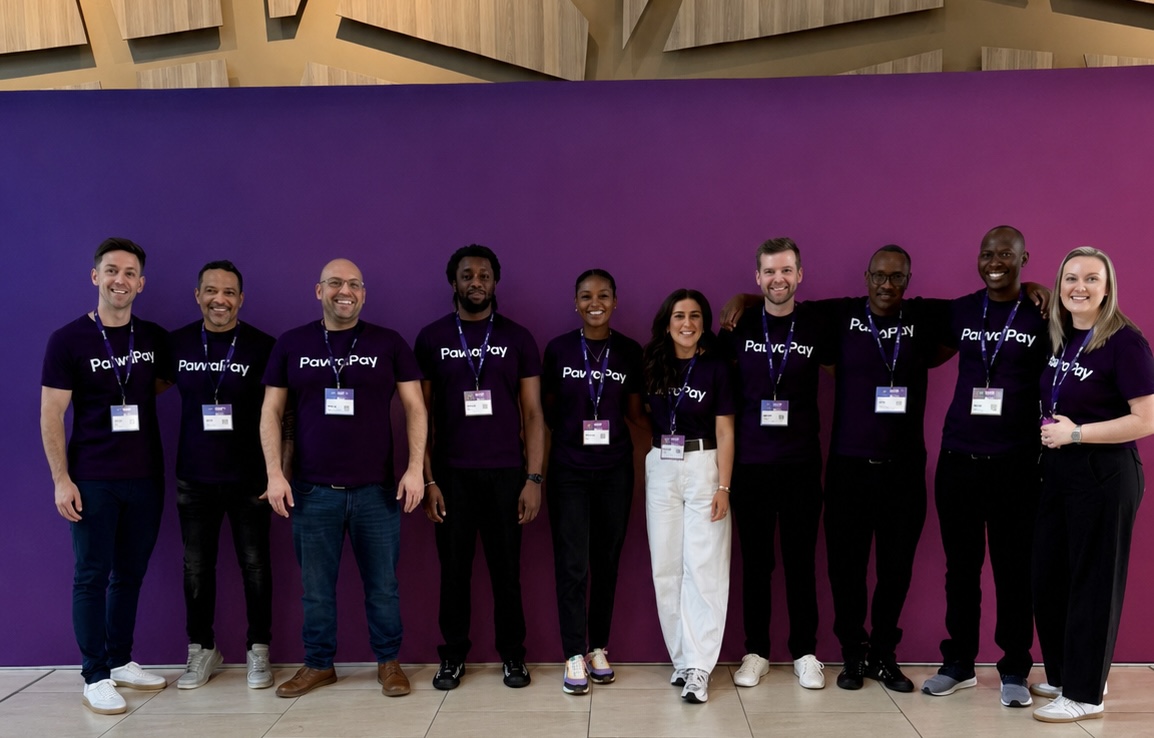
PawaPay’s 3 Billion Transactions Reveal Why Mobile Money Is Becoming Africa’s Business Infrastructure
PawaPay has processed more than 3 billion mobile money transactions, reaching its latest billion in less than nine months while doubling its daily payment volume to five million transactions. The milestone reflects more than rapid company growth—it signals how mobile money is evolving from a simple payment tool into the infrastructure powering businesses, digital commerce, and cross-border trade across Africa.