When Your Phone Stops Getting Updates, The Problem Is Bigger Than Security
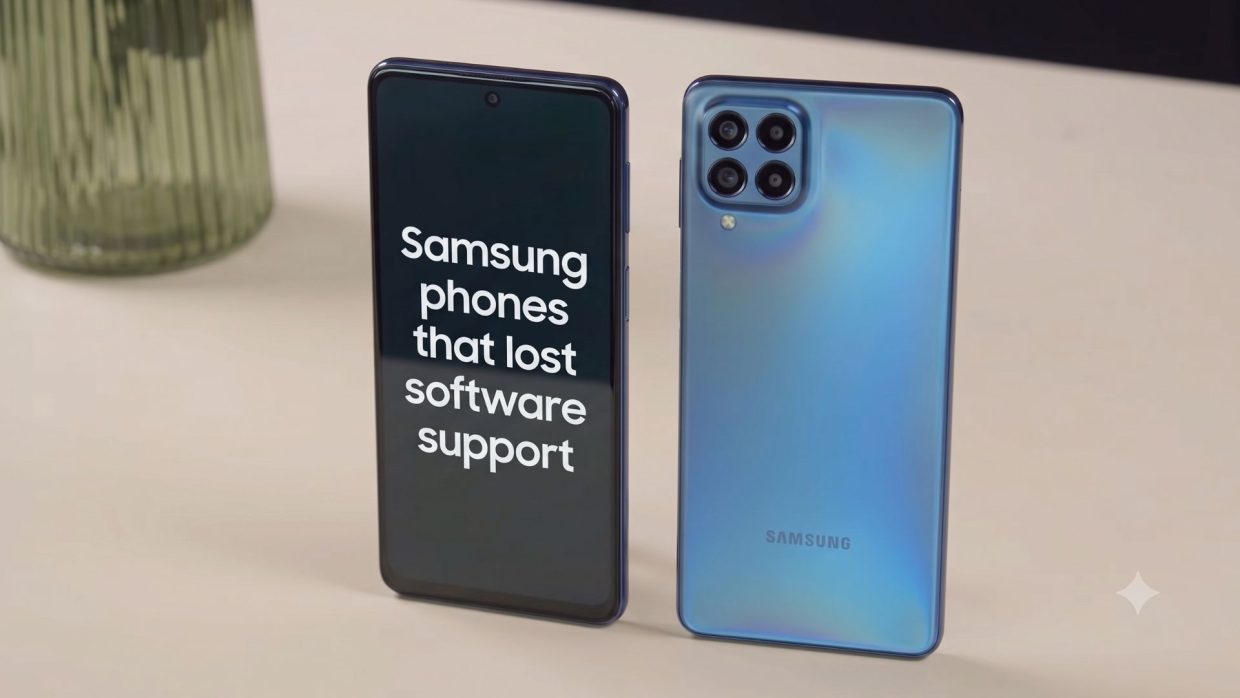
Every year, smartphone manufacturers stop supporting older devices. This month, several Samsung models reached that point, including popular budget phones that sold widely across African markets. The devices will continue functioning, but they will no longer receive regular security patches or software improvements from Samsung.
For many consumers, this creates an uncomfortable reality. A phone may still have a working battery, decent performance, and a functional screen, yet software support—not hardware failure—becomes the reason it eventually needs replacing.
The Real Cost Falls On Budget Users
The impact is often greatest in markets where people keep devices for four, five, or even six years.
A student in Nairobi, a trader in Lagos, or a small business owner in Kigali may continue using a phone long after its official support window ends. The device still works, but over time some banking apps, payment platforms, and security-sensitive services may stop supporting older software versions. This gradually limits what users can do with a phone that is otherwise perfectly functional.
Samsung Is Raising The Standard, But Only For New Phones
To Samsung’s credit, the company has significantly expanded software support for newer devices. Recent flagship phones now receive up to seven years of updates, while many newer mid-range models are promised six years of support.
The challenge is that millions of users still own devices released before those policies took effect. Many of the phones losing support today were launched under older update commitments. This creates a divide between consumers buying new devices and those trying to maximise the lifespan of phones purchased several years ago.
Software Support Is Becoming A Competitive Advantage
A few years ago, consumers compared smartphones based on cameras, storage, and battery life. Increasingly, software longevity is becoming part of the buying decision.
As phone prices continue rising, users expect devices to remain secure and functional for longer periods. Companies that offer extended support are effectively reducing the total cost of ownership for consumers. This helps explain why software policies have become a major selling point across the smartphone industry. For manufacturers, the competition is no longer just about selling the next device. It is also about proving how long customers can safely keep the current one.
Forward-Looking Implications for Smartphone Ownership
The end of support for older Samsung devices reflects a broader shift in the smartphone market. Consumers are holding onto phones longer, while manufacturers are under growing pressure to provide updates for more years than ever before.
Moving forward, software support may become one of the most important factors influencing purchasing decisions, especially in emerging markets where replacement cycles are longer. A phone’s lifespan will increasingly be determined not by when the hardware fails, but by when critical apps, security protections, and software updates stop arriving.
The bigger question is whether long-term software support will eventually become an industry standard or remain a premium feature available mainly to users who can afford newer devices. As smartphones become essential tools for banking, education, and business, that distinction could matter more than the specifications printed on the box.