Nigeria’s GreenTech Push Is Becoming a Business Conversation, Not Just a Climate One
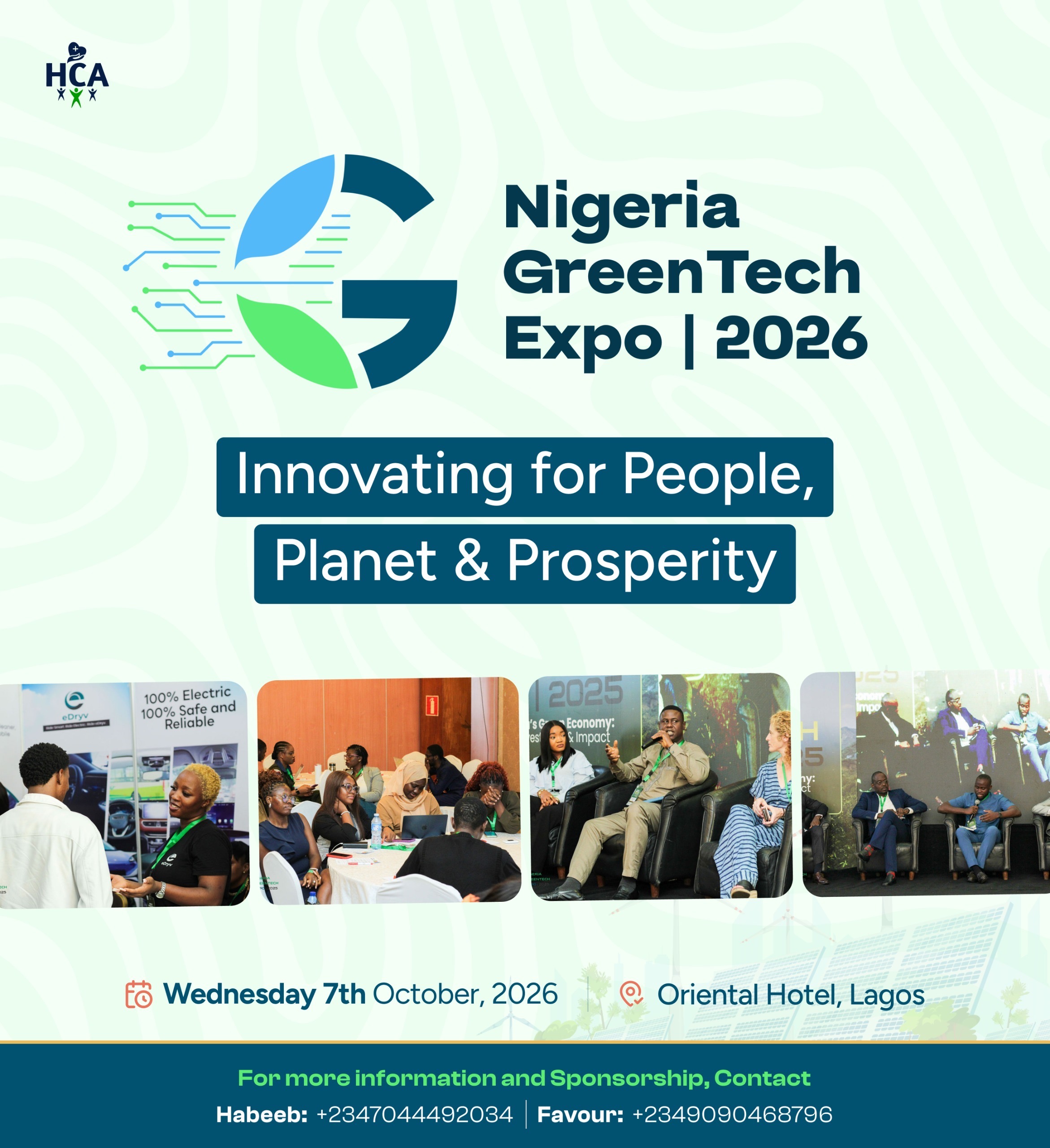
Nigeria’s sustainability conversation has been expanding beyond policy documents and climate targets into something more practical: how to build systems that actually work on the ground. Events like the GreenTech Expo 2.0 are part of that shift, bringing together startups, investors, policymakers, and infrastructure players into the same room to focus less on ideas and more on implementation.
This matters because Nigeria’s environmental and infrastructure challenges are tightly linked. Energy shortages affect productivity, transport inefficiencies increase business costs, and climate pressure is already shaping agriculture and urban planning. Sustainability is no longer a separate agenda; it is becoming part of how the economy functions day to day.
Where Climate Ideas Meet Investment Reality
One of the biggest changes in the greentech space is the increasing involvement of investors and commercial actors who are now treating sustainability as a market opportunity rather than just a development goal.
Solar mini-grids, electric mobility, waste recycling systems, and energy-efficient infrastructure are no longer experimental projects. They are being tested as viable business models in a market where demand for reliable alternatives is growing. A logistics company dealing with fuel costs or a factory struggling with grid instability is less interested in “green narratives” and more interested in systems that reduce operational risk and cost.
Why Execution Is Becoming More Important Than Ideas
Across Nigeria, there is no shortage of sustainability proposals. The challenge has always been execution—turning pilots and prototypes into systems that scale.
This is where partnerships between startups, government agencies, and large infrastructure players become important. Startups may build innovation at speed, but scaling often requires regulatory alignment, financing structures, and infrastructure access. Without that coordination, even promising solutions tend to remain isolated pilots rather than nationwide systems.
The Hidden Infrastructure Behind “Green Growth”

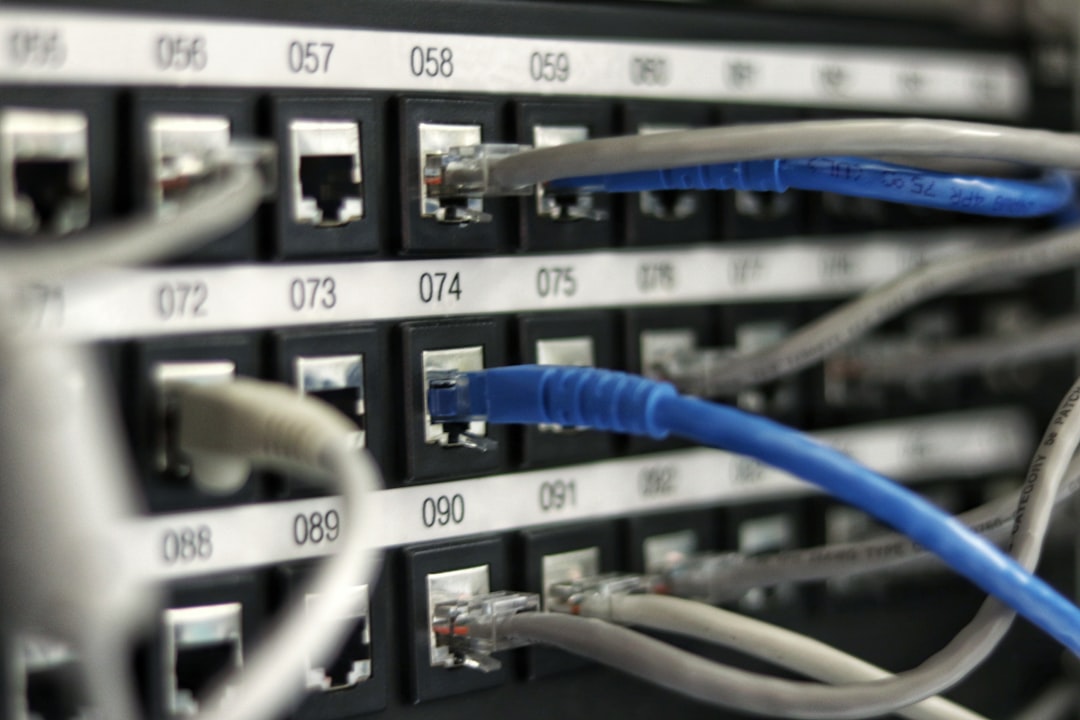
Greentech discussions often focus on visible solutions like solar panels, electric vehicles, or smart agriculture systems. But the less visible layer data systems, financing models, grid integration, and logistics networks are what determine whether those solutions succeed at scale.
For example, a solar project is not just about installation. It depends on financing terms, maintenance systems, user payment structures, and regulatory approval. Without that supporting infrastructure, even well-designed projects struggle to survive beyond early deployment stages.
Forward-Looking Implications for Nigeria’s Green Economy
The direction of events like the Nigeria GreenTech Expo suggests that sustainability in Nigeria is entering a more practical phase. The focus is shifting from awareness and advocacy to systems building, where the emphasis is on deployment, scalability, and measurable impact.
If this momentum continues, green innovation could start to influence core sectors such as energy, transport, agriculture, and urban infrastructure more directly. That would not only address environmental concerns but also reduce operating costs and improve productivity for businesses that currently rely on inefficient systems.
The key test ahead is whether partnerships formed in spaces like these can move beyond conversation into long-term execution. The future of Nigeria’s green economy will depend less on the number of ideas generated and more on how effectively those ideas are turned into functioning, scalable infrastructure.