
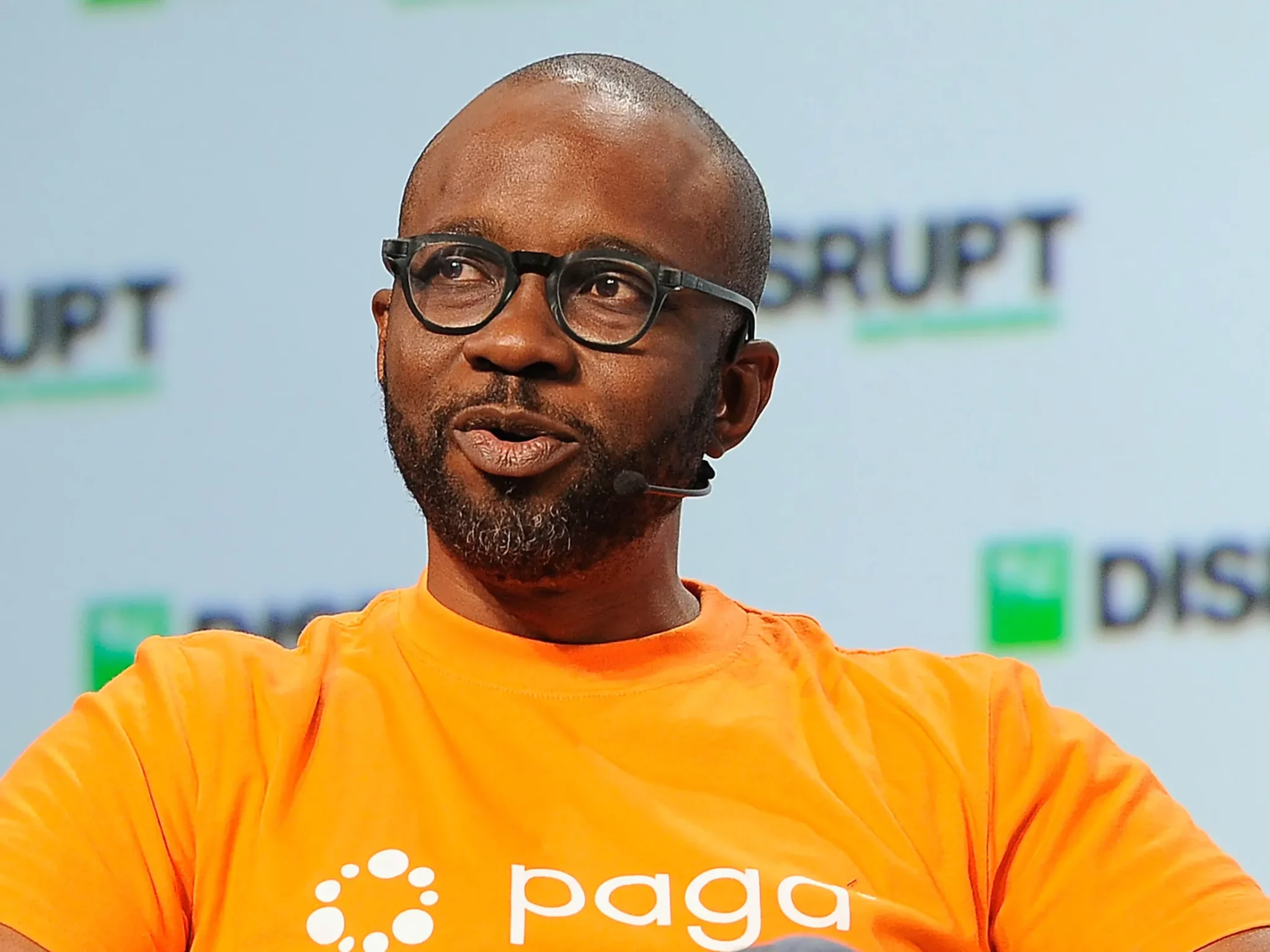
Paga’s Latest Bet Suggests Investing Could Soon Feel Like Making a Payment
For years, Paga built its reputation by making digital payments easier for individuals and businesses across Africa. Now, the company is taking a different direction. Through its partnership with TBook, Paga is moving beyond payment infrastructure into tokenised investing, allowing users to access investment products that have traditionally been reserved for institutional or high-net-worth investors.
The announcement reflects a broader evolution taking place in fintech. Payment platforms are no longer satisfied with processing transactions alone. Increasingly, they are looking to become financial ecosystems where users can pay, save, borrow, and invest without leaving a single platform. As competition in digital payments intensifies, wealth-building services are becoming the next growth opportunity.
The Next Financial Product May Be Hidden Inside Your Payment App
Tokenisation converts ownership of traditional assets—such as government securities, fixed-income investments, or private funds—into digital tokens that can be bought in smaller fractions through blockchain technology.
For many retail investors, this could lower one of the biggest barriers to investing: minimum capital requirements. Instead of needing large amounts to access certain assets, users can potentially invest smaller amounts while benefiting from the same underlying investment opportunities. The technology makes investing more accessible without changing the asset itself.
Fintech Is Competing for More Than Transactions
The partnership also highlights how African fintech is evolving. Processing payments has become increasingly competitive, pushing companies to search for new revenue streams that keep customers engaged beyond everyday transactions.
Investment products offer exactly that opportunity. Instead of generating revenue only when customers spend money, fintech companies can build longer-term relationships by helping users save and grow wealth. This creates more value for customers while diversifying business models beyond transaction fees. For Paga, tokenised assets represent another layer in building a full-service financial platform.
The Bigger Challenge Is Building Trust, Not Technology

While blockchain has made tokenisation technically possible, adoption will depend on something more fundamental: trust. Investors need confidence that tokenised assets are properly regulated, transparently managed, and backed by real underlying investments.
This means regulatory oversight, consumer education, and strong compliance will be just as important as the technology itself. Without these safeguards, tokenisation risks remaining a niche product rather than becoming part of mainstream finance. The success of platforms like Paga will therefore depend on how effectively they combine innovation with investor confidence.
Forward-Looking Implications for Africa’s Wealth-Tech Ecosystem
Paga’s latest move reflects a broader shift in African fintech, where platforms are increasingly expanding from payment providers into comprehensive financial ecosystems. As digital finance matures, companies are competing to become the primary destination for every stage of a customer's financial journey.
If tokenised assets gain wider regulatory acceptance, they could open investment opportunities to millions of Africans who have historically been excluded from traditional wealth products. Lower entry barriers, faster settlement, and greater accessibility could reshape how retail investors build wealth over the next decade.
The bigger opportunity lies in combining payments, savings, lending, and investing into a single digital experience. Fintech companies that successfully integrate these services while maintaining regulatory trust may define the next phase of Africa's financial transformation.