
Airtel Kenya’s New CEO Appointment Is Really About the Battle for Market Share
For years, Kenya's telecom sector has largely been defined by one company: Safaricom. Despite the presence of competitors, Safaricom has maintained a dominant position across mobile subscriptions, mobile money, and data services.
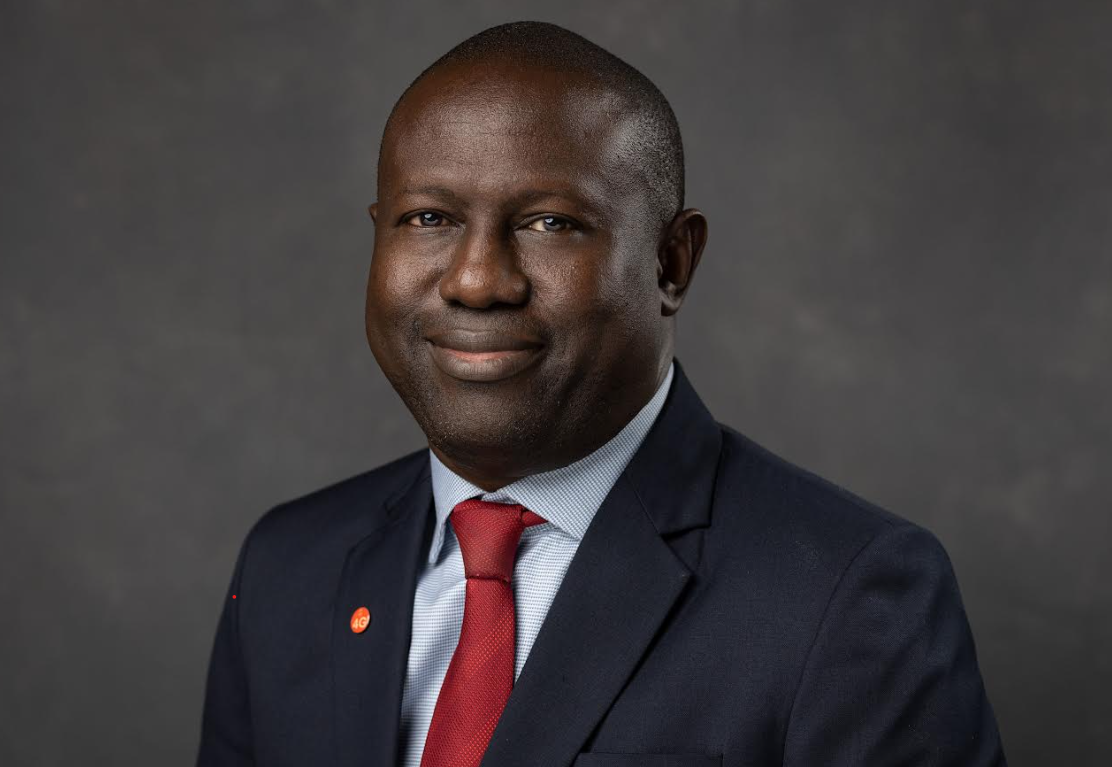
That dominance, however, has been gradually challenged. Airtel Kenya has steadily increased its subscriber base and market presence in recent years, benefiting from aggressive pricing, network investments, and regulatory efforts aimed at creating a more competitive telecommunications market. The appointment of Djibril Tobe signals Airtel's intention to build on that momentum rather than simply maintain its current position.
Leadership transitions in telecoms are rarely just about management succession. More often, they reflect strategic priorities, and in this case, the priority appears clear: closing the gap with Kenya's largest telecom operator.
The Real Competition Is No Longer Just About Voice Calls
The telecom industry has evolved far beyond traditional voice and SMS services. Today, competition revolves around data consumption, digital financial services, enterprise solutions, and broadband connectivity.
For Airtel Kenya, gaining market share requires more than attracting new subscribers. It requires convincing customers to spend more time and money within its ecosystem. This includes everything from mobile internet usage to mobile money transactions and digital services that generate recurring revenue.
The challenge is significant because Safaricom's dominance extends beyond telecommunications into financial services through M-Pesa, creating a powerful ecosystem effect that competitors have struggled to replicate.
Why Leadership Matters in a Mature Telecom Market
Djibril Tobe brings experience from multiple African telecom markets, which could prove valuable as Airtel navigates Kenya's increasingly competitive environment. In mature telecom markets, growth often comes less from acquiring first-time users and more from winning customers away from competitors or increasing revenue from existing subscribers.
This requires careful execution across network quality, customer experience, pricing strategy, and partnerships. Even small improvements can have significant financial implications when competing in a market with tens of millions of mobile subscribers.
The appointment suggests Airtel is focused on accelerating growth rather than defending its current position, particularly as digital services become a larger share of telecom revenues.
Forward-Looking Implications for Kenya’s Telecom Industry

Airtel Kenya's leadership change comes at a time when competition in Kenya's telecom sector is becoming increasingly sophisticated. The next phase of rivalry will likely focus less on subscriber numbers alone and more on digital ecosystems, financial services, broadband expansion, and customer retention.
For consumers, stronger competition could lead to better service quality, more affordable data offerings, and greater innovation across digital services. For Airtel, the challenge will be translating recent market share gains into sustainable long-term growth.
The bigger story is that Kenya's telecom market is entering a new phase where leadership, execution, and ecosystem strategy may matter more than scale alone. Djibril Tobe's appointment is therefore not just a management change—it is a signal that Airtel intends to compete more aggressively in one of Africa's most valuable telecom markets.