South Africa’s New AI Surveillance Push Raises a Bigger Question About Public Safety and Privacy
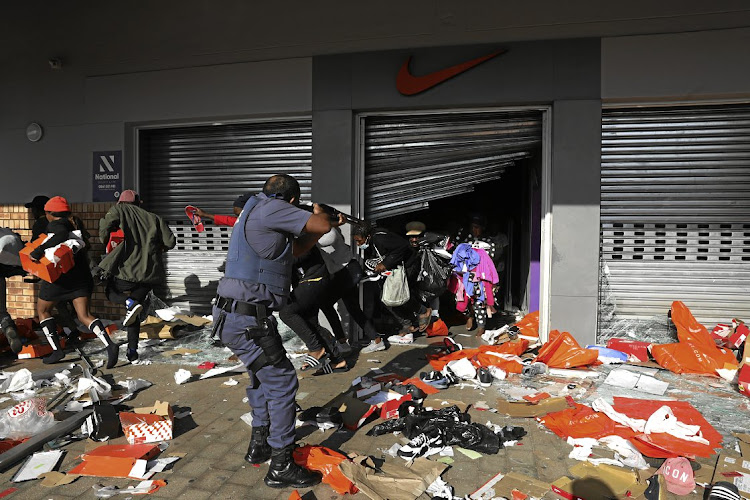
Governments around the world are increasingly turning to artificial intelligence and surveillance technology to strengthen public security. South Africa is now following that trend, deploying more than 33,000 CCTV cameras, drones, helicopters, and over 13,000 law enforcement officers across Gauteng ahead of planned anti-migrant demonstrations. The operation follows lessons learned from the deadly July 2021 unrest, which exposed weaknesses in the country's intelligence and emergency response systems.
The objective is clear: detect threats earlier, coordinate responses faster, and prevent violence before it escalates. But the deployment also reflects a wider transformation in policing, where technology is becoming just as important as physical law enforcement.
When Public Safety Begins to Depend on Algorithms
Modern policing is increasingly built around data. CCTV cameras, drones, facial recognition, and AI-assisted monitoring can help authorities identify unusual behaviour, monitor large crowds, and allocate security resources more efficiently.
In high-risk situations, these technologies can improve response times and reduce the likelihood of widespread violence. However, they also shift policing toward continuous surveillance, where large amounts of public data are collected and analysed in real time. As governments adopt these tools, ensuring transparency and accountability becomes just as important as improving security.
Technology Can Support Security, But It Cannot Solve Social Tensions
While AI and surveillance systems may help contain violence, they do not address the underlying issues driving unrest. South Africa continues to face high unemployment, economic inequality, and growing public frustration over migration, challenges that technology alone cannot resolve.
The 2021 riots demonstrated that security failures often reflect deeper social and economic pressures. Drones may provide better visibility, but they cannot replace long-term policy solutions that reduce the conditions leading to conflict. Technology is most effective when it complements broader governance rather than attempting to substitute for it.
Forward-Looking Implications for AI in Public Security

South Africa's latest deployment may signal how governments across Africa approach public safety in the coming years. As AI becomes more affordable and surveillance technology continues to improve, more countries are likely to integrate these systems into policing and emergency response.
The challenge will be finding the right balance. Used responsibly, AI can improve public safety and strengthen emergency coordination. Without clear oversight, however, the same technologies risk eroding privacy and public trust.
Ultimately, the success of AI in public security will not be measured solely by how effectively it prevents unrest, but by whether governments can deploy it in ways that protect both safety and citizens' rights.