
Solar Rentals Are Expanding Because Power Problems Still Shape Business Survival
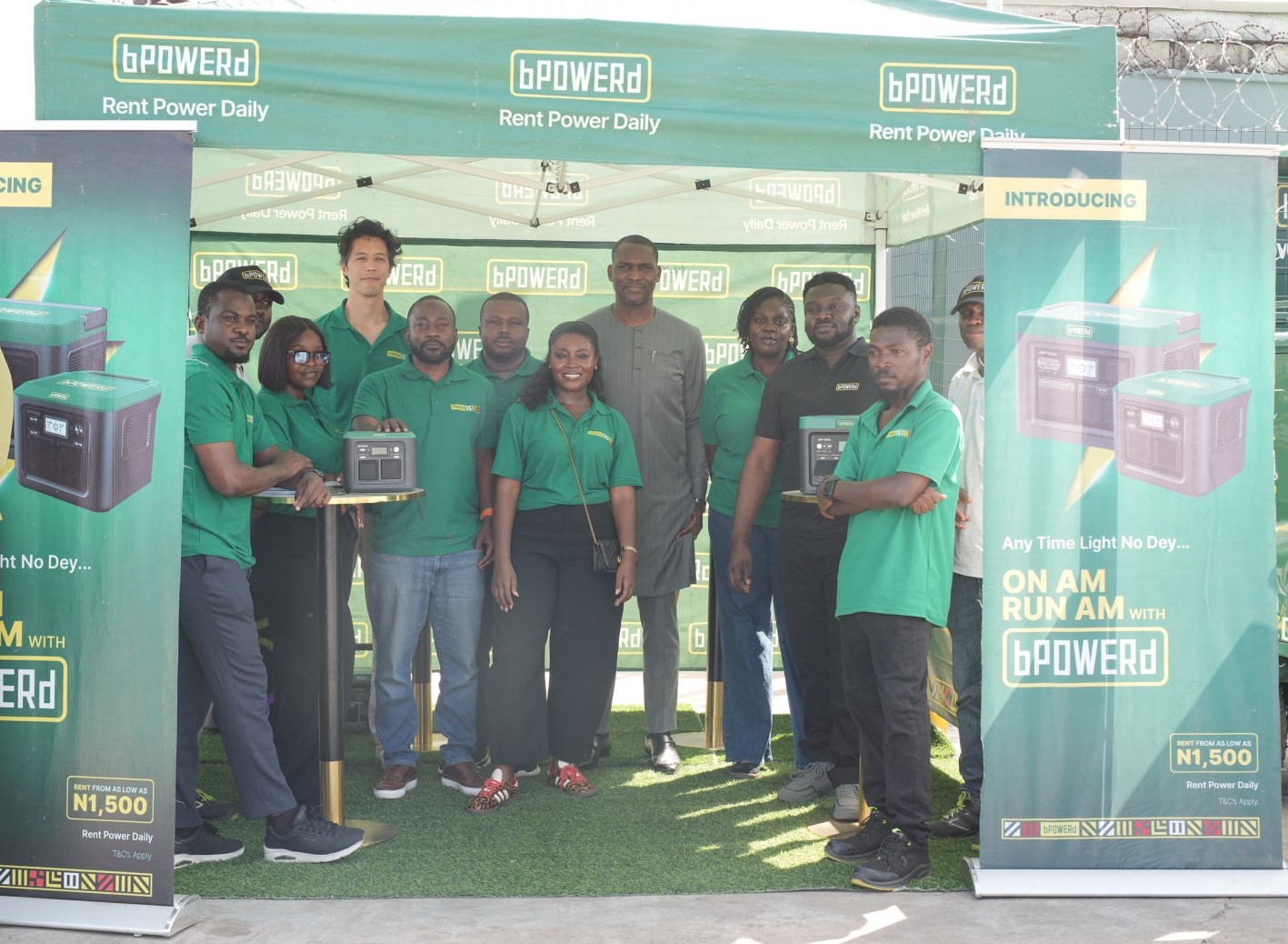
South Africa’s bPowerd is expanding into Nigeria through solar battery rental hubs, adding to a growing wave of companies building alternative energy systems across African markets. The model focuses on providing customers with access to solar-powered batteries without requiring the high upfront costs that often prevent adoption.
The expansion comes at a time when energy reliability remains one of the biggest operational challenges facing businesses across the continent. For many small enterprises, electricity is not simply an infrastructure issue. It directly affects sales, productivity, operating hours, and customer service.
Power Outages Still Carry Hidden Business Costs
A barber shop in Lagos may lose customers during a power interruption. A small cold-storage operator can lose inventory if refrigeration systems fail. Retail businesses often spend heavily on fuel generators to maintain normal daily operations.
These costs rarely appear in major economic reports, but they quietly affect thousands of businesses every day. In many cases, unreliable electricity creates a constant layer of operational uncertainty underneath otherwise functioning businesses.
That is why alternative energy models are gaining attention. They are solving practical reliability problems rather than selling technology alone.
Why Rental Models Are Growing
One reason solar battery rental systems are expanding is that affordability remains a major barrier.
Many businesses understand the long-term value of solar energy, but the upfront installation costs can still be difficult to absorb, especially for smaller enterprises already managing tight cash flow. Rental models spread those costs over time and make access easier without requiring large capital commitments.
This approach mirrors broader shifts across Africa’s digital and financial sectors, where subscription-style access is increasingly replacing full-ownership models.
Energy Access Is Becoming a Business Infrastructure Issue

The conversation around electricity is gradually changing across African markets.
Rather than treating energy as a separate utility challenge, businesses increasingly view reliable power as part of their operational infrastructure, alongside internet connectivity, payments, and logistics systems.
As more sectors digitize, stable electricity becomes even more important. Payment systems, cloud platforms, communication tools, and inventory software all depend on consistent power availability to function properly.
Forward-Looking Implications for Africa’s Energy Economy
BPowerd’s expansion reflects a larger trend across Africa’s energy sector: businesses are searching for practical solutions that reduce dependence on unstable power environments.
Moving forward, growth in solar and battery systems may depend less on environmental messaging and more on whether these models can consistently lower operating costs and improve business reliability.
For many entrepreneurs, the question is no longer whether alternative energy matters. It is whether it can keep daily operations running when traditional infrastructure falls short.