
South Africa’s Instant Payment Debate Shows the Future of Banking May Be Defined by Fees, Not Speed
For decades, customers accepted that moving money instantly came at an extra cost because the technology was expensive and payment infrastructure was limited. Today, that justification is becoming harder to defend. Real-time payment systems such as PayShap have significantly reduced the technical barriers that once made instant transfers a specialised banking service.
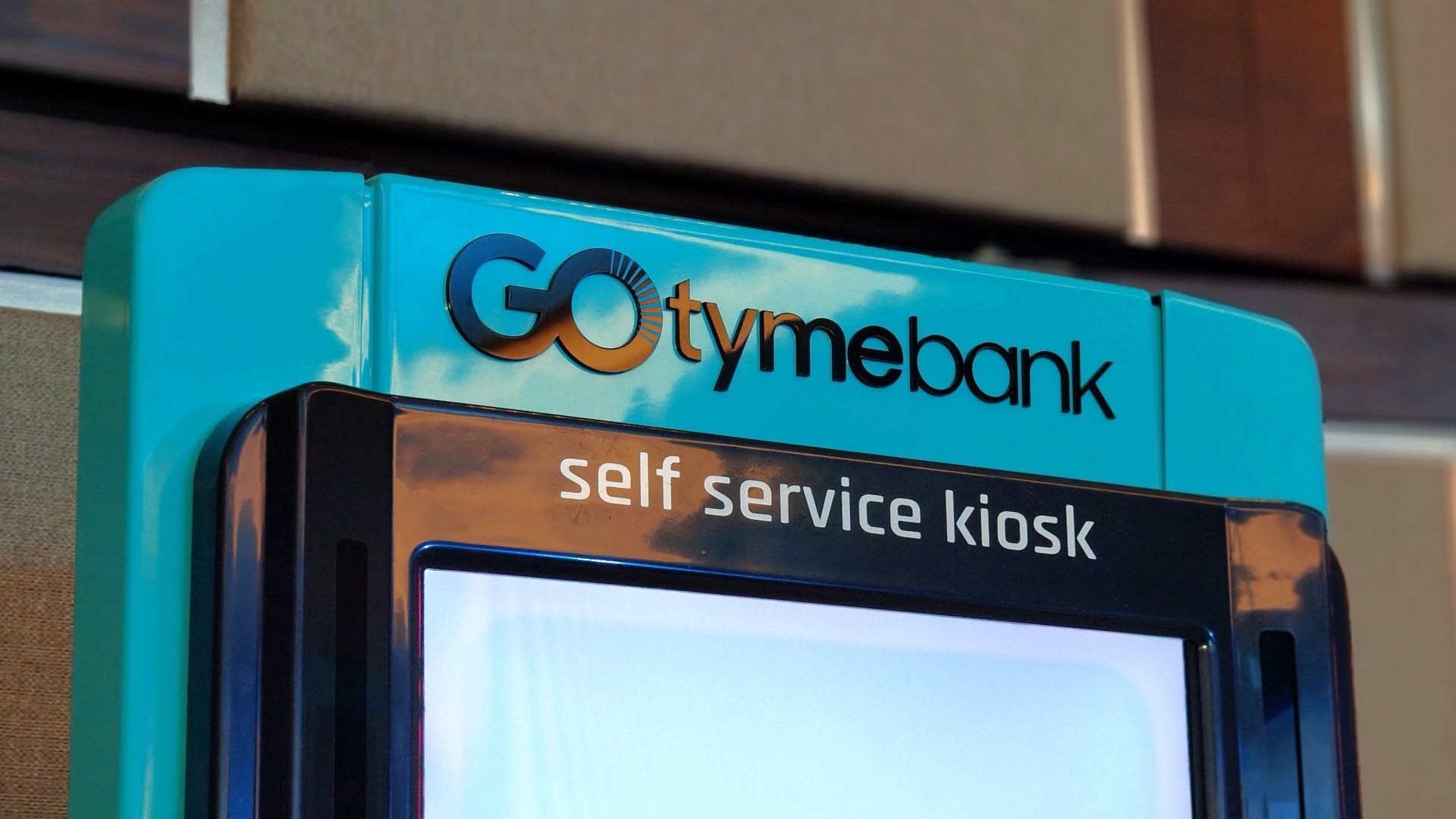
Despite this progress, customers continue to pay different fees depending on their bank. While digital-first institutions such as GoTyme Bank provide instant payments at no additional cost, many traditional banks still charge transaction fees, arguing that pricing reflects their individual business models and operational costs.
The debate highlights a broader shift in banking. The question is no longer whether banks can process instant payments—it is whether charging customers for them remains a sustainable competitive strategy.
Payment Fees Are Becoming a Competitive Battleground
As digital banking matures, customers increasingly compare financial institutions based on everyday banking costs rather than simply branch networks or interest rates. Payment fees, once viewed as standard banking charges, are becoming a key factor influencing where consumers choose to bank.
Digital challenger banks see free instant payments as a way to attract and retain customers. By removing transaction costs, they position banking as a service built around convenience and accessibility rather than fee generation. This strategy puts additional pressure on traditional banks to justify why customers should continue paying for transfers that technology now enables almost instantly.
The result is a new form of competition where pricing becomes part of the customer experience. Banks that reduce friction in everyday transactions may gain an advantage even if they do not offer significantly different financial products.
Modern Payment Infrastructure Is Changing Banking Economics
PayShap was introduced to modernise South Africa's payment ecosystem by enabling fast, secure, 24-hour transfers between banks. As adoption grows, the cost of processing instant payments is expected to decline, making premium pricing increasingly difficult to justify over the long term.
However, traditional banks argue that maintaining secure payment infrastructure, fraud prevention systems, and continuous network availability still requires significant investment. They also point to different commercial strategies, meaning pricing decisions remain largely driven by each institution rather than by the payment system itself.
This illustrates that payment innovation is no longer driven solely by technology. Business models are becoming just as important in determining how customers experience digital banking.
Forward-Looking Implications for Africa’s Digital Payments Industry

South Africa's debate reflects a wider trend across Africa as countries modernise their payment systems. Once real-time payments become standard infrastructure, consumers are likely to expect them as a basic banking feature rather than a premium service.
Banks that continue relying heavily on transaction fees may face growing pressure from digital competitors that use low-cost payments to attract deposits, lending customers, and long-term relationships. Over time, institutions may shift their revenue models toward broader financial services instead of charging for simple money transfers.
Ultimately, the future of instant payments will be shaped less by technology than by competition. The banks that succeed may not be those with the fastest payment rails, but those that make moving money feel effortless, affordable, and invisible to customers.