
Kenya’s SIM Swap Ruling Is Redefining Who Is Responsible for Digital Fraud
As digital banking and mobile money become more integrated, fraud is no longer confined to a single institution. A SIM swap attack often involves both a telecommunications provider that manages the customer's mobile number and a financial institution that authorises transactions using that number for authentication.
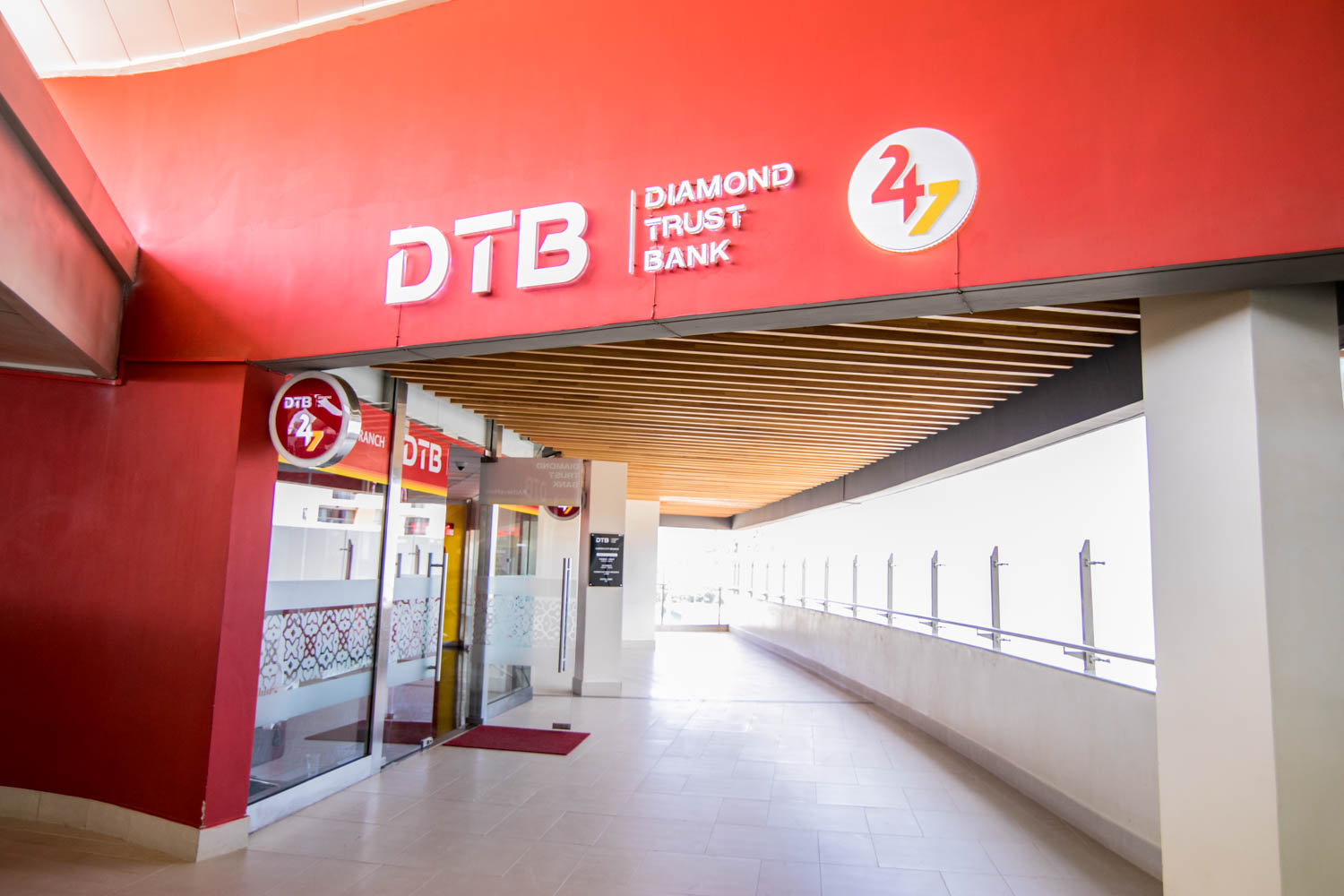
The Kenyan High Court recognised this reality by ruling that both DTB and Safaricom shared responsibility after fraudsters hijacked a customer's SIM card and withdrew approximately KES 4.4 million despite prior warnings from the customer. The court found that neither institution could avoid liability simply because another party was also involved in the fraud.
The judgment reflects a broader evolution in digital finance. As financial services become increasingly connected across banks, telecom operators, and fintech platforms, accountability is also becoming a shared responsibility rather than resting with a single provider.
Digital Trust Depends on More Than Strong Technology
Banks continue investing heavily in fraud detection systems, while telecom operators strengthen SIM registration and verification procedures. Yet this case demonstrates that advanced technology alone cannot protect customers if institutions fail to act quickly after receiving reports of suspicious activity.
The court placed significant weight on the institutions' response after the customer had already reported the SIM swap. Once a fraud warning is received, organisations are expected to act immediately to prevent further losses rather than relying solely on existing security systems.
For financial institutions, this raises the standard of customer protection. Fraud prevention is no longer judged only by the strength of security systems but also by how effectively organisations respond when risks are identified.
Shared Liability Could Change How Banks and Telcos Manage Fraud
The ruling may encourage stronger collaboration between banks and telecommunications companies. Faster information sharing, real-time fraud alerts, stronger identity verification, and coordinated incident response could become increasingly important as digital fraud grows more sophisticated.
It may also influence how institutions allocate investment toward fraud prevention. Rather than treating cybersecurity, customer authentication, and fraud investigations as separate functions, companies may adopt more integrated risk management systems that span multiple organisations.
For consumers, the judgment reinforces the expectation that companies providing interconnected digital services should also share responsibility for protecting users when those services fail.
Forward-Looking Implications for Africa’s Digital Financial Ecosystem

Kenya's decision could become an important reference point as African countries strengthen consumer protection in digital finance. With mobile money, digital banking, and fintech becoming more interconnected, regulators may increasingly expect shared accountability across the financial ecosystem rather than assigning responsibility to a single institution.
If similar legal standards emerge elsewhere, banks, telecom operators, and fintech companies will likely invest more heavily in coordinated fraud prevention, real-time monitoring, and stronger customer protection frameworks. These improvements could help strengthen public confidence in digital financial services as adoption continues to grow.
Ultimately, the ruling is about more than one SIM swap case. It recognises that in today's digital economy, customer trust depends not only on innovation but also on collective responsibility. As financial systems become more connected, protecting consumers will require institutions to work together just as closely as the technologies they operate.