
Apple’s AI Upgrade Is Really About Keeping Users Inside Its Ecosystem
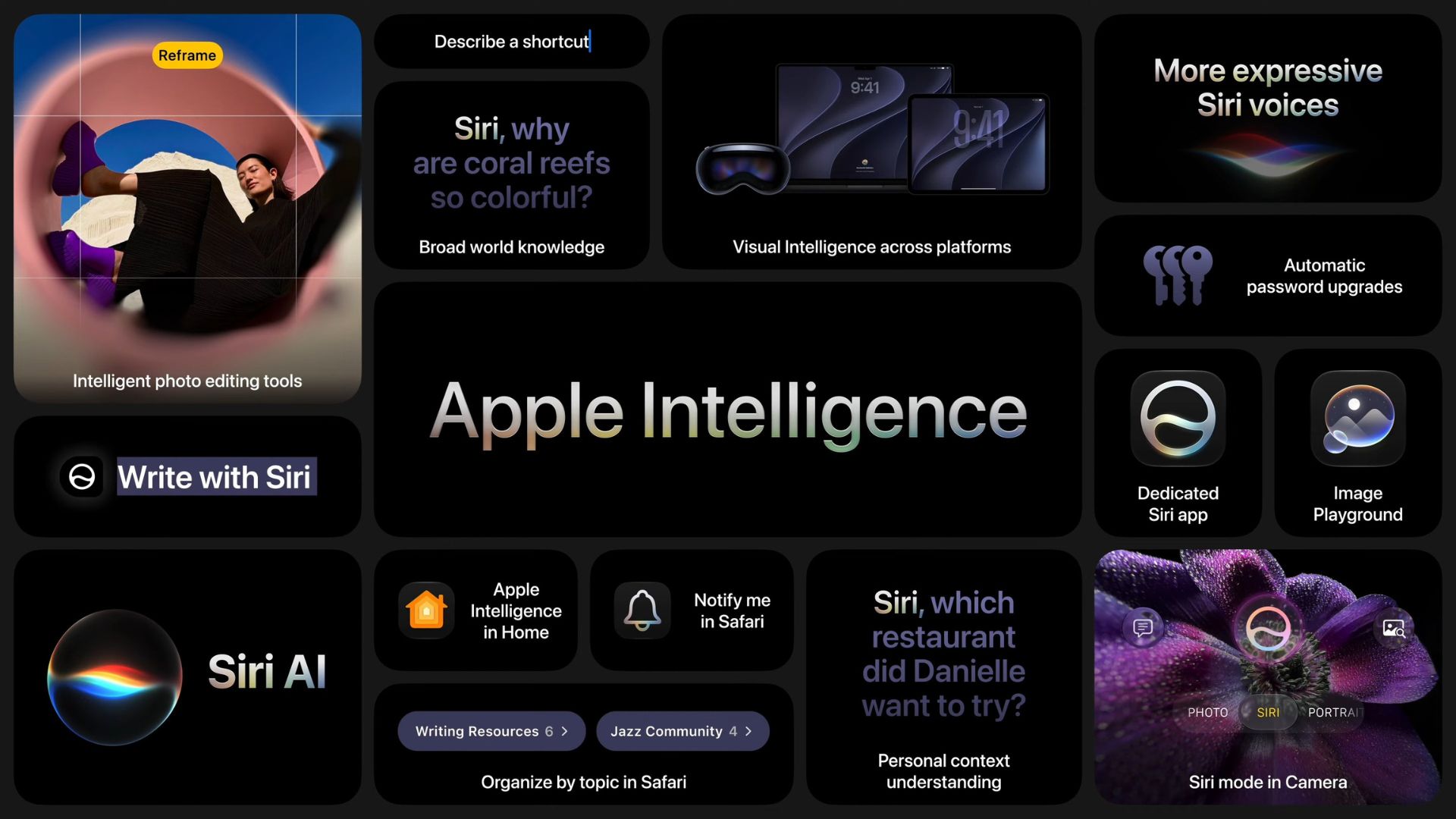
At WWDC 2026, Apple unveiled its biggest artificial intelligence update yet, introducing a rebuilt Siri AI alongside new AI-powered features across Photos, Safari, Messages, Wallet, and other apps. The company is positioning Apple Intelligence as a deeply integrated layer that works across the entire iPhone experience rather than as a standalone chatbot.
On the surface, this looks like Apple's long-awaited response to competitors such as ChatGPT, Gemini, and Copilot. But the more interesting question is why Apple is embedding AI into everyday tasks instead of building a separate AI product. The answer may have less to do with technology and more to do with customer retention.
The Real Competition Is No Longer Hardware
For years, smartphone companies competed through cameras, battery life, and processing power. Those differences are becoming harder for consumers to notice.
AI is emerging as the next competitive layer. Apple's strategy is to make AI part of the operating system itself. Siri AI can understand screen content, search personal information across apps, assist with tasks, and provide contextual recommendations without requiring users to switch between multiple services.
This matters because the company is no longer competing only with other smartphone manufacturers. It is competing with AI platforms that increasingly act as users' primary interface with information.
Apple Is Betting On Everyday Utility
Many AI products have focused on generating text, images, or conversations. Apple appears to be pursuing a different path.
The company is integrating AI into routine activities such as photo editing, receipt scanning, bill splitting, web browsing, messaging, and task management. Features like AI-powered image editing and Siri-assisted actions inside apps are designed to remove small daily frustrations rather than create entirely new behaviours.
A user may not care whether a feature uses artificial intelligence. They care whether it saves time. Apple's success will depend on whether these tools become genuinely useful rather than simply impressive during product demonstrations.
Not Every User Will Benefit Equally

One challenge for Apple is that many of the most advanced Apple Intelligence features require newer hardware.
While iOS 27 supports devices going back to the iPhone 11, many flagship AI capabilities will only be available on more recent models. This creates a familiar pattern where the software update reaches millions of users, but the most powerful features remain limited to a smaller group.
The result is that Apple's AI strategy could also become a hardware strategy, encouraging users to upgrade devices in order to access the full experience.
Why The Ecosystem Matters More Than The AI
The most important aspect of Apple Intelligence may not be any individual feature.
Apple is trying to create a system where AI works across Photos, Messages, Safari, Wallet, Calendar, and other services simultaneously. The goal is to make the ecosystem more valuable as a whole. If users increasingly rely on AI-powered workflows that span multiple Apple products, switching to another platform becomes more difficult.
This is a strategy Apple has used successfully before. The company's strongest advantage has rarely been a single product. It has been the ability to connect multiple products into one experience.
Forward-Looking Implications for Consumer AI
Apple's iOS 27 launch suggests that the next phase of AI competition may be less about building the smartest chatbot and more about embedding intelligence into products people already use every day.
Moving forward, consumers are likely to judge AI not by how advanced it sounds, but by how often it helps them complete real tasks. Companies that successfully integrate AI into existing workflows may gain a stronger advantage than those focused solely on standalone AI applications.
The bigger question is whether users will embrace AI that operates quietly in the background or continue gravitating toward dedicated AI assistants. Apple's answer is clear: the future of AI should feel less like a separate tool and more like an invisible part of the device itself.