Africa’s AI Future Will Be Powered by Electricity Before It Is Powered by Algorithms
Artificial intelligence is often presented as software that can transform industries overnight. In reality, AI depends on reliable electricity, internet access, data centres, and skilled workers before it can generate meaningful economic value. Without these basic foundations, even the most advanced AI tools cannot operate effectively.
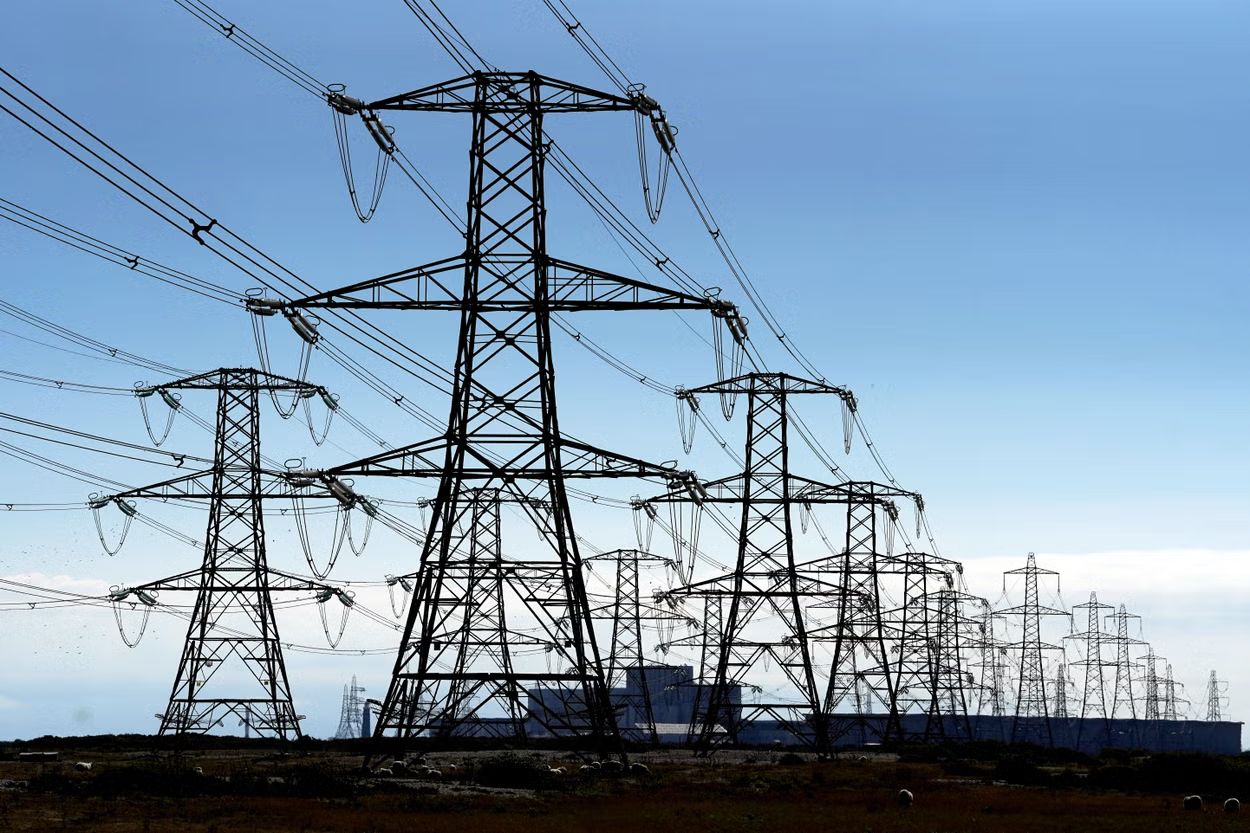
According to the IMF, Sub-Saharan Africa currently ranks lowest on its AI Preparedness Index because of persistent infrastructure and institutional challenges. Around half of the region still lacks reliable electricity, while internet access remains significantly below the global average. These limitations prevent businesses, schools, hospitals, and governments from fully benefiting from AI technologies.
The report shifts the AI conversation away from algorithms and toward infrastructure. For Africa, the priority is not building the world's most powerful AI models but creating the conditions that allow existing AI technologies to be adopted at scale.
Reliable Infrastructure Is the Real Foundation of AI Growth
Many discussions about AI focus on software innovation, but the IMF argues that electricity and connectivity are the continent's biggest barriers to adoption. AI systems require continuous power, affordable broadband, cloud infrastructure, and secure data networks to function effectively.
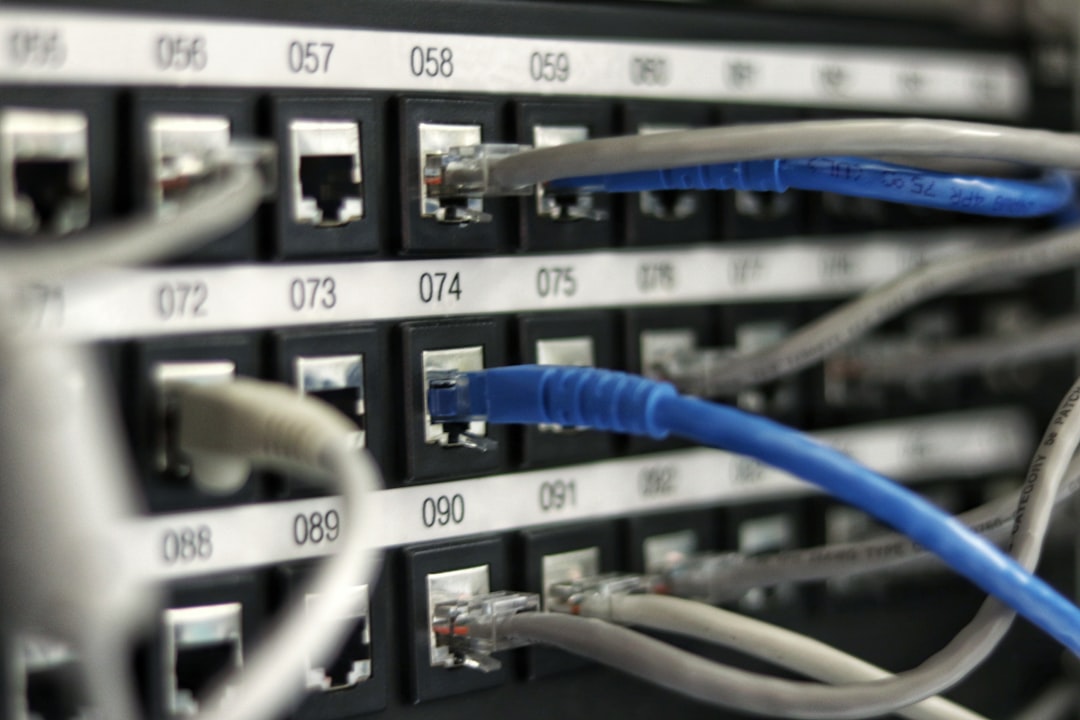
The report recommends expanding electricity grids, investing in mini-grids around schools and public facilities, strengthening fibre-optic networks, and improving digital skills across the workforce. These investments would support AI adoption while also strengthening broader economic development.
This demonstrates that investments in digital infrastructure create benefits beyond artificial intelligence. They improve education, healthcare, public services, and business productivity while laying the groundwork for future technological innovation.
Africa’s Opportunity Lies in Applying AI, Not Competing to Build It
Unlike larger technology markets competing to develop frontier AI models, Africa's greatest opportunity may lie in applying existing AI solutions to local challenges. Agriculture, healthcare, education, tax administration, logistics, and small business management all offer opportunities where AI can improve productivity without requiring the continent to lead global AI research.
The IMF argues that AI's greatest impact in Africa will come from helping workers become more productive rather than replacing them. By enabling farmers, entrepreneurs, educators, and public institutions to make better decisions, AI can raise economic output across multiple sectors.
This practical approach positions AI as a development tool rather than simply an advanced technology. Success will depend on how effectively countries adapt AI to local economic needs.
Forward-Looking Implications for Africa’s AI Economy

The IMF's findings suggest that Africa's AI future will be determined as much by infrastructure policy as by technological innovation. Countries that invest early in electricity, broadband, digital education, and regulatory frameworks will be better positioned to capture AI's long-term economic benefits.
At the same time, stronger regional cooperation could help African countries share digital infrastructure, harmonise regulations, and reduce the cost of deploying AI across borders. Building these foundations will make it easier for businesses and governments to adopt AI responsibly and at scale.
Ultimately, Africa does not need to win the global race to build cutting-edge AI. It needs to ensure that its people and businesses can use AI effectively. The countries that solve their power and connectivity challenges today are likely to become tomorrow's leaders in AI-driven economic growth.