
Airtel Nigeria’s Retail Expansion Shows That Africa’s Digital Future Still Depends on Physical Access
The growth of Africa’s digital economy is often associated with smartphones, mobile apps, and online platforms. However, behind every successful digital service is a physical network that helps customers access, understand, and trust those services.
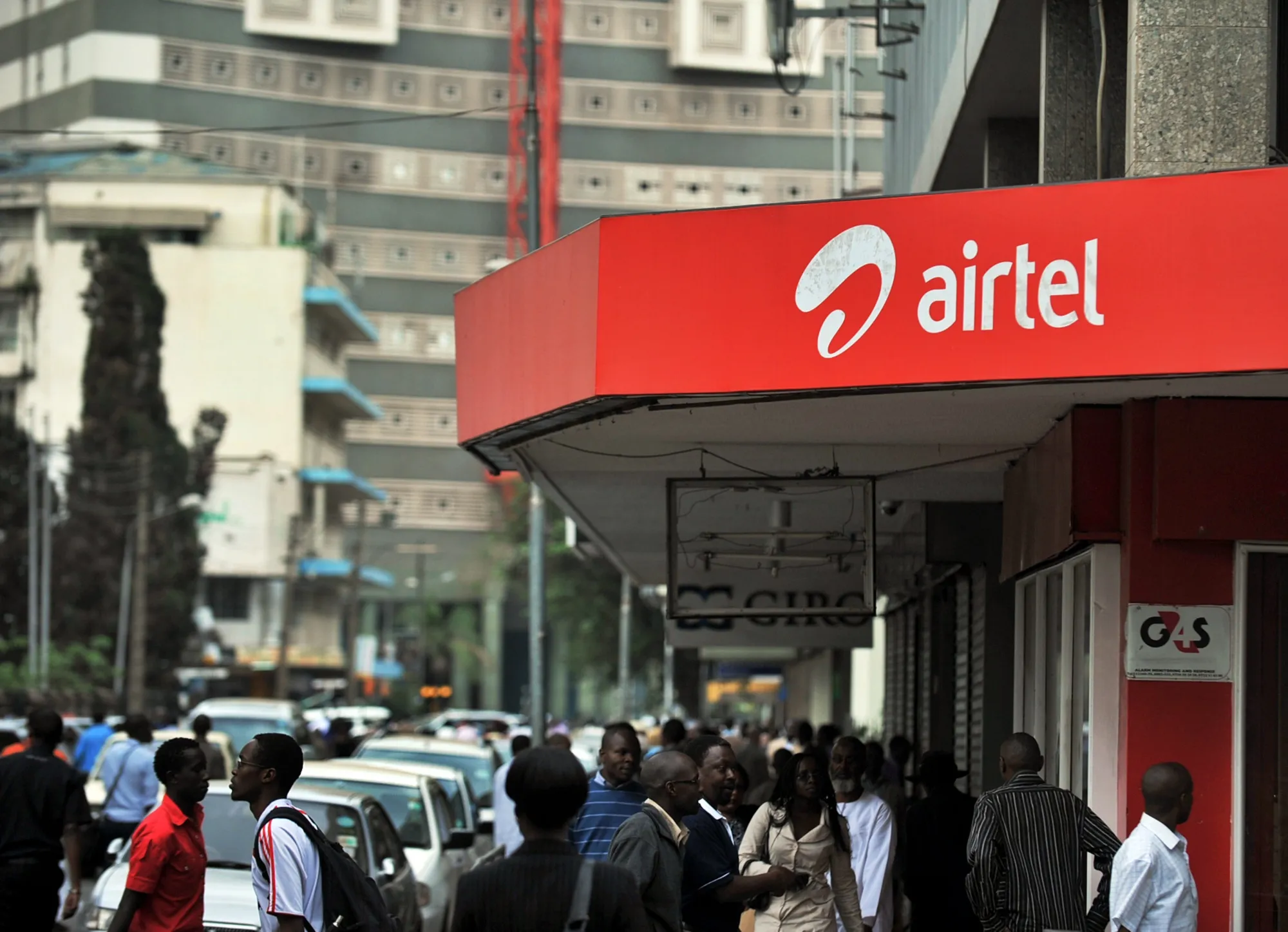
Airtel Nigeria’s expansion of its retail footprint demonstrates this reality. The company has grown its network to more than 200,000 customer touchpoints and over 4,000 exclusive shops across Nigeria, creating more locations where customers can access essential telecom services and digital products.
The strategy shows that winning in Africa’s telecom market requires more than strong network infrastructure. Companies must also be present in communities where customers live and work, especially in markets where digital adoption is still developing.
Telecom Competition Is Moving Beyond Network Coverage
For years, telecom competition focused mainly on coverage, pricing, and network quality. Today, operators are competing across a much broader range of services, including digital payments, broadband, devices, and customer experience.
Airtel Nigeria’s retail expansion supports this broader strategy by making it easier for customers to access services such as SIM registration, data packages, device purchases, and customer support. These physical locations also help companies build stronger relationships with customers who may still prefer in-person assistance when adopting new digital services.
As digital services become more complex, physical support networks can become a competitive advantage rather than an outdated business model.
The Last Mile Remains Africa’s Biggest Digital Challenge
Although smartphone adoption and internet usage are increasing, many customers still face barriers when accessing digital services. These challenges include limited digital literacy, difficulties with registration processes, and the need for reliable customer support.
A strong retail network helps solve these problems by bringing services closer to communities. Airtel’s approach combines technology with human interaction, allowing customers to access digital tools while receiving guidance when needed.
This reflects a broader lesson across Africa: digital transformation does not eliminate the need for physical infrastructure. Instead, successful companies often combine both digital platforms and local presence to reach more people.
Forward-Looking Implications for Africa’s Digital Connectivity Market

Airtel Nigeria’s expansion suggests that the future of telecom in Africa will be shaped by companies that can successfully combine technology, distribution, and customer trust. As demand for mobile data, financial services, and digital products continues to rise, accessibility will remain a major factor in determining market leadership.
The growth of retail networks could also create economic opportunities for thousands of agents, retailers, and small businesses involved in telecom distribution. These networks become not only customer service channels but also important parts of local digital economies. Ultimately, Africa’s digital future will not be built online alone. The companies that succeed will be those that understand that digital inclusion requires both advanced technology and accessible human connections at the community level.