Nigeria Wants More POS Agents. But Distance Was Never the Only Problem
Nigeria’s central bank has expanded the allowed operating distance between POS agents from 50 to 70 metres, a move designed to give agents more flexibility and improve service availability in busy commercial areas. On paper, the adjustment looks relatively small.
But in practice, it reflects a deeper reality about Nigeria’s financial system: even after years of fintech growth, millions of people still rely heavily on physical cash access points for everyday transactions.
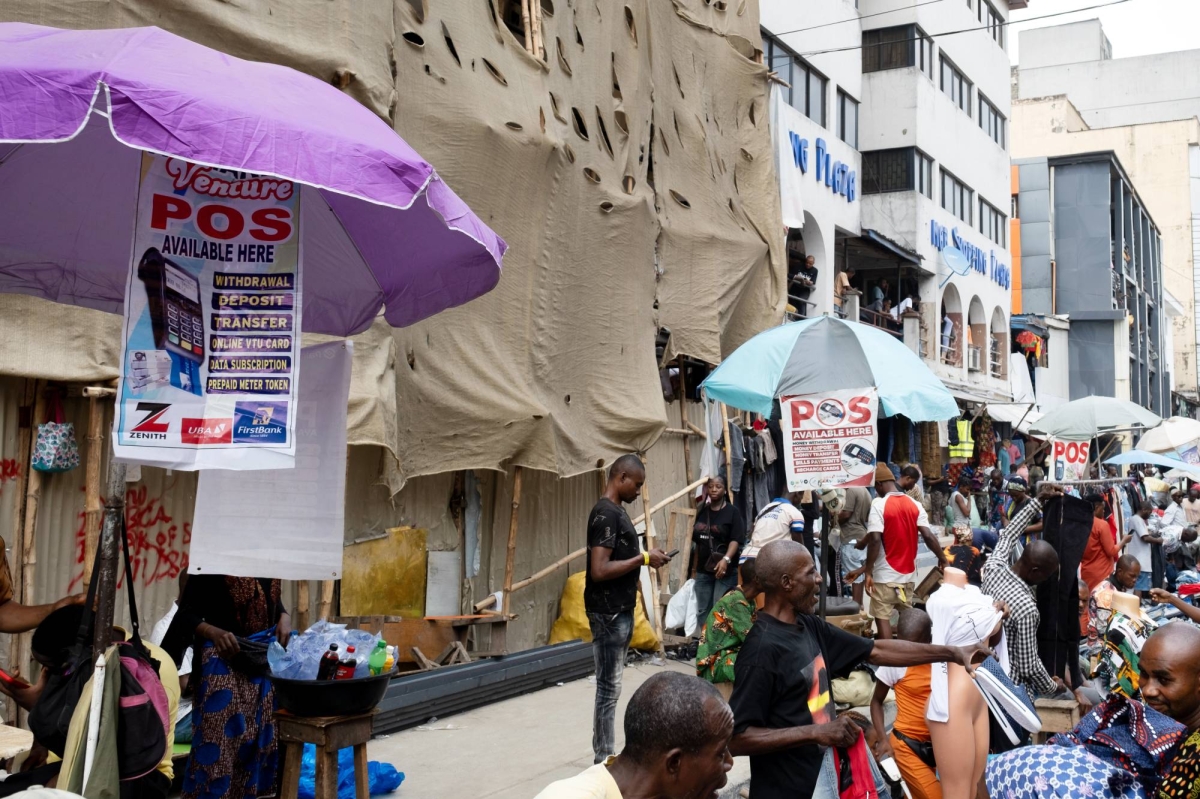
Across cities like Lagos, Ibadan, and Kano, POS agents have become part of the country’s financial infrastructure. They handle withdrawals, transfers, bill payments, and cash movement in areas where bank branches are either overcrowded or less accessible.
Why POS Agents Became So Important
The rise of agent banking was driven partly by convenience and partly by necessity.
For many customers, visiting a bank branch can mean long queues, transport costs, or service delays. POS agents filled that gap by bringing financial services closer to neighbourhoods, markets, and transport hubs.
Small businesses also depend heavily on these networks. A trader may receive digital payments during the day but still need quick cash withdrawals for suppliers, transport, or inventory purchases. In many cases, POS agents act as the bridge between Nigeria’s digital payment economy and its cash-based trading reality.
The Real Friction Is Still Liquidity
While expanding operating distance may reduce clustering, it does not solve one of the biggest challenges agents face: cash availability.
In high-demand periods, some agents struggle to maintain enough liquidity to handle withdrawals consistently. Others deal with network failures, delayed transaction confirmations, or banking settlement issues that frustrate both customers and operators.
This means the pressure is often not about physical spacing between agents. It is about whether agents can reliably process transactions when demand is highest.
Digital Payments Are Growing, but Cash Still Moves the Market

Nigeria continues to see strong growth in digital payments, mobile transfers, and fintech adoption. Yet daily commerce remains heavily tied to cash movement, especially in informal markets.
A market vendor may accept transfers but still prefer cash for supplier payments. Transport operators often rely on physical cash circulation throughout the day. Even businesses using digital platforms frequently move between cash and electronic payments depending on transaction speed and reliability.
This is why POS networks continue expanding despite the broader push toward cashless finance.
Forward-Looking Implications for Nigeria’s Payment Economy
The central bank’s decision reflects a practical effort to improve access to financial services through agent networks that millions already use every day.
But moving forward, the bigger challenge may not be expanding agent locations alone. It may be strengthening the systems underneath them: liquidity management, transaction reliability, settlement speed, and broader trust in digital payment infrastructure.
Until those issues improve consistently, Nigeria’s financial ecosystem will likely remain hybrid, with digital payments growing rapidly while physical cash continues playing a major role in everyday trade.