Nigeria Wants to Become Africa’s Payments Hub
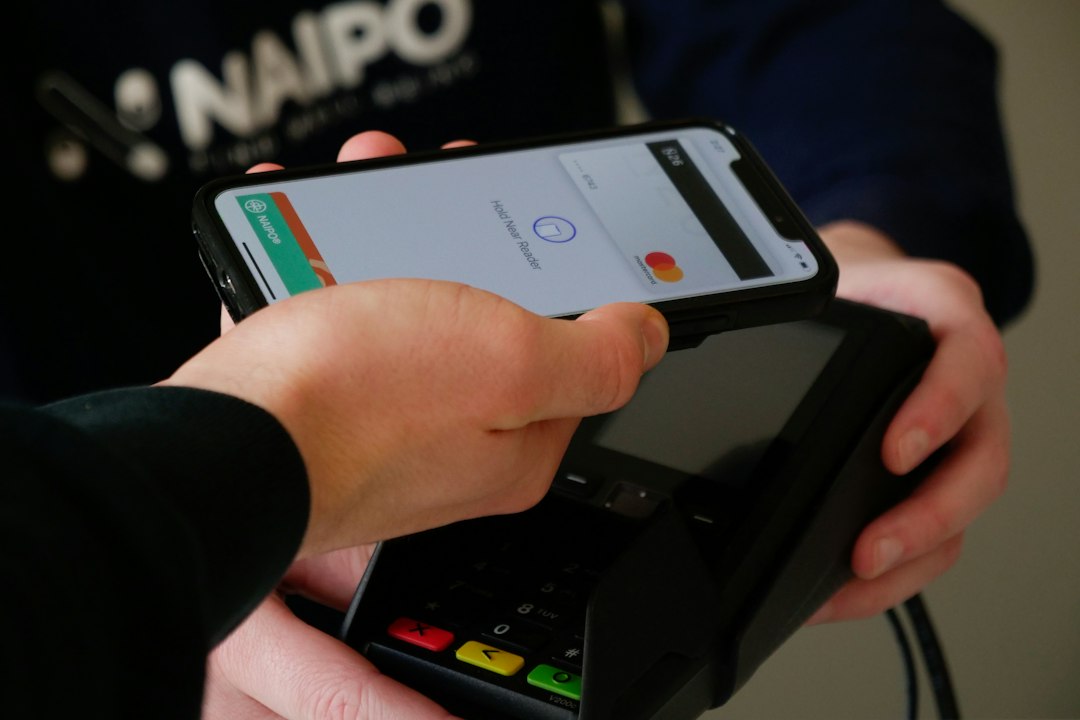
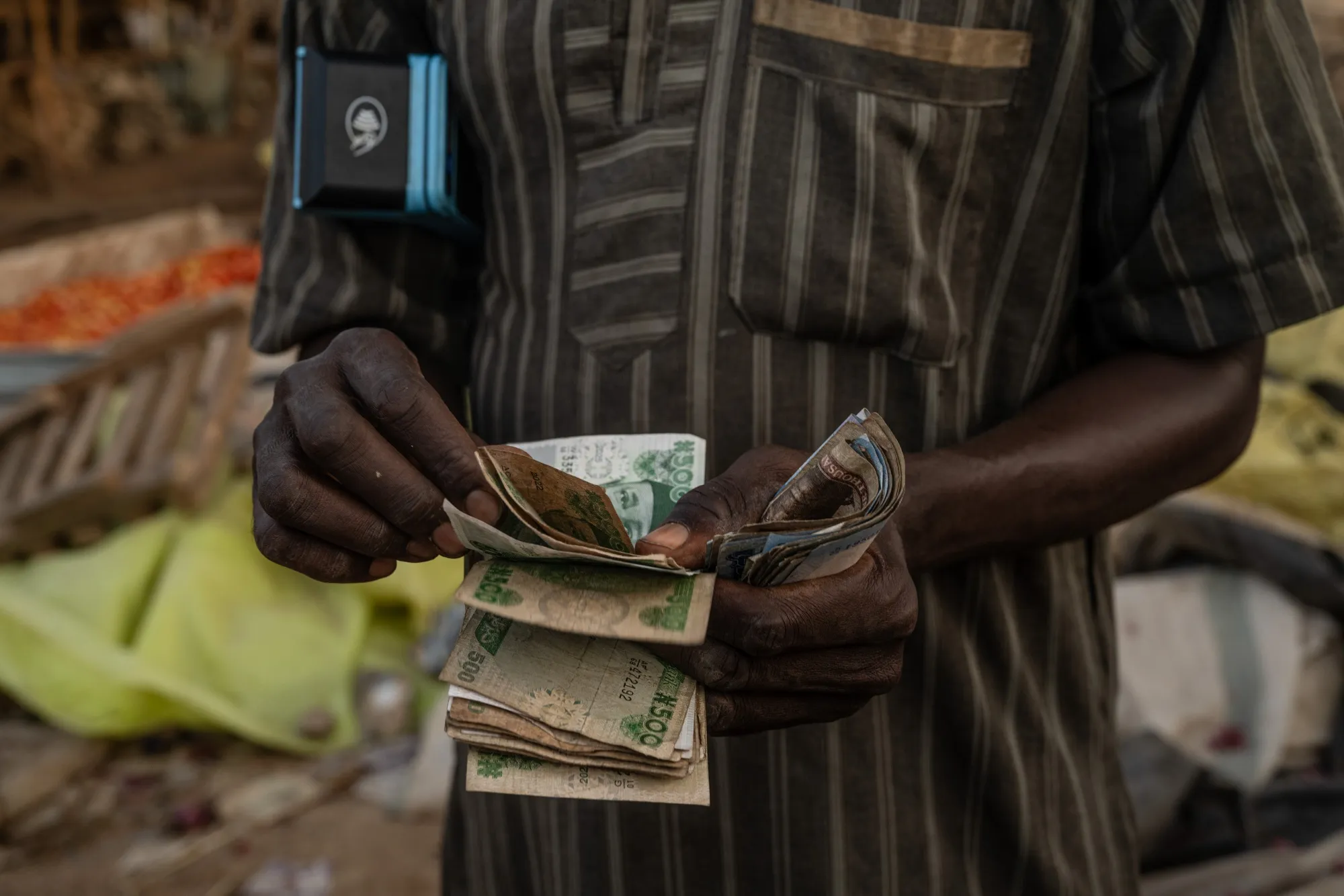
Nigeria's financial sector already processes billions of digital transactions annually and operates one of Africa’s largest fintech ecosystems. Financial inclusion efforts have helped bring millions into the banking system, while digital payments have become a routine part of everyday life.
But the CBN's recent focus suggests a broader ambition. The conversation is shifting from helping Nigerians move money domestically to making Nigeria a central gateway for payments across Africa. That goal aligns with growing intra-African trade, expanding fintech activity, and the continent’s push for greater economic integration. The opportunity is significant, but so are the operational challenges.
Cross-Border Payments Are Still Too Expensive
A merchant in Lagos selling products to customers in Accra or Nairobi often faces payment problems that have little to do with demand.
Transactions can pass through multiple intermediaries before settlement is complete. Businesses frequently deal with currency conversion costs, delays, varying compliance requirements, and fragmented payment systems. For SMEs operating on thin margins, these costs can erase profits surprisingly quickly.
This is where the regional payments opportunity emerges. If Nigeria can help reduce the friction involved in moving money across African markets, it could strengthen its position not only as a fintech hub but also as a facilitator of regional commerce.
The Real Competition Is Not Local Banks
Many discussions about Nigeria’s payment ecosystem focus on local banks and fintechs. In reality, the larger competition may come from international payment networks and alternative settlement systems.
African businesses still rely heavily on payment infrastructure that routes transactions through financial centres outside the continent. This adds cost, increases settlement times, and limits efficiency for businesses trading with neighbouring countries.
For Nigeria to become a regional payments leader, it must help create systems that allow African businesses to transact directly with each other. The challenge is less about domestic innovation and more about building trusted infrastructure that works across borders.
Leadership Requires More Than Transaction Volume

Nigeria already has scale. It has one of Africa's largest populations, one of its biggest banking sectors, and a vibrant fintech industry.
However, leadership in payments is not determined by transaction volume alone. It depends on reliability, interoperability, regulatory coordination, and trust between financial institutions operating in different jurisdictions.
A payment system is only as valuable as the number of markets willing to connect to it. This means regional leadership requires cooperation with regulators, banks, and payment providers across multiple African countries, not just strong domestic performance.
Why Businesses Care More About Settlement Than Innovation
Fintech announcements often focus on innovation, but businesses tend to prioritise something much simpler: certainty.
A Nigerian exporter wants to know when funds will arrive. A supplier in Ghana wants confidence that payment will clear without unexpected delays. A logistics company operating across West Africa cares about settlement speed more than marketing language.
This is why cross-border payments remain one of Africa’s most important infrastructure challenges. Businesses do not necessarily need more payment apps. They need systems that reduce uncertainty and allow trade to happen more efficiently.
Forward-Looking Implications for Africa’s Payments Market
The CBN’s evolving strategy reflects a broader shift taking place across Africa’s financial sector. Financial inclusion remains important, but attention is increasingly moving toward regional financial integration and cross-border commerce.
Moving forward, Nigeria’s success will depend less on how many people use digital payments domestically and more on whether it can help make African payments faster, cheaper, and more predictable across borders.
The bigger opportunity is not simply building a larger payments market inside Nigeria. It is helping build the infrastructure that allows African businesses to trade with each other more efficiently. If that happens, Nigeria could become more than a financial inclusion success story. It could become one of the key gateways for money movement across the continent.