
Nigeria’s AI Ranking Shows the Next Race Is About Governing AI, Not Just Building It
Artificial intelligence has become one of the fastest-growing technologies in the world, but building AI is only part of the challenge. Governments are now under increasing pressure to create policies that ensure AI is developed and deployed responsibly while protecting citizens' rights and encouraging innovation.
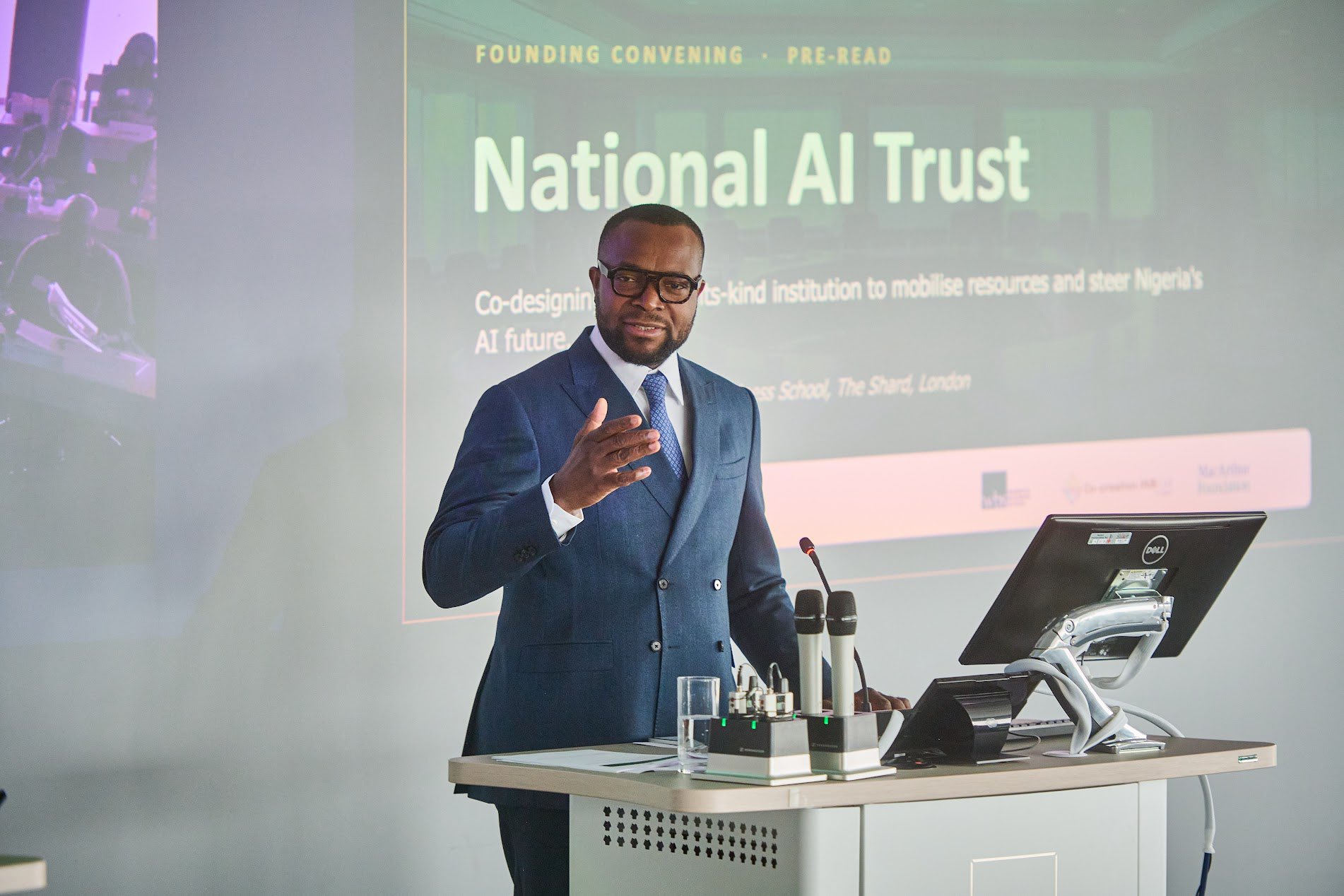
Nigeria's rise to the top of Africa's Responsible AI rankings reflects progress in that direction. The country climbed 42 places globally in just two years, overtaking Egypt and Kenya after strengthening its AI governance framework, promoting AI literacy, and introducing safeguards for vulnerable groups.
The ranking suggests that Nigeria is beginning to position itself not only as a market for AI technologies but also as a country seeking to shape how those technologies are governed and applied.
Responsible AI Is Becoming an Economic Advantage
For investors and technology companies, AI regulation is no longer viewed as a barrier to innovation. Increasingly, clear governance frameworks provide confidence that encourages long-term investment and responsible product development.
Countries with stronger AI policies are often better positioned to attract technology partnerships, research initiatives, and international funding because businesses have greater certainty about compliance expectations. In this sense, responsible AI is becoming part of a country's digital competitiveness rather than simply a regulatory obligation.
Nigeria's improved ranking could therefore strengthen its appeal as a destination for AI startups, multinational technology firms, and institutions looking to expand AI research and deployment across Africa.
Strong Rankings Must Translate Into Real-World Impact
While international recognition is significant, the true measure of success will be how effectively AI governance improves everyday outcomes for citizens and businesses.
Responsible AI frameworks must support practical implementation across sectors such as healthcare, education, financial services, agriculture, and public administration. They must also address challenges such as data protection, algorithmic fairness, digital inclusion, and workforce readiness.
Without consistent implementation, strong policy rankings risk becoming symbolic achievements rather than drivers of meaningful technological and economic progress.
Forward-Looking Implications for Africa’s AI Ecosystem

Nigeria's rise in the Responsible AI Index reflects a broader evolution in Africa's AI conversation. The focus is expanding beyond adopting AI tools to creating governance systems that enable innovation while managing risk.
If Nigeria continues strengthening its regulatory framework and invests in research, digital infrastructure, and AI talent, it could play a leading role in shaping responsible AI standards across the continent. Other African countries may also accelerate their own AI governance efforts as competition increasingly extends beyond technology adoption to policy leadership.
Ultimately, the next phase of Africa's AI development will not be defined solely by who builds the most advanced models. It will also depend on which countries create trusted environments where AI can be developed responsibly, adopted confidently, and deliver long-term economic and social value.