
Africa’s AI Future Won’t Be Built on Talent Alone; It Needs Investment That Matches the Ambition
Artificial intelligence is no longer a concept that African startups are experimenting with. Across sectors such as fintech, healthcare, agriculture, logistics, and enterprise software, founders are embedding AI directly into products that solve real business problems and improve operational efficiency.
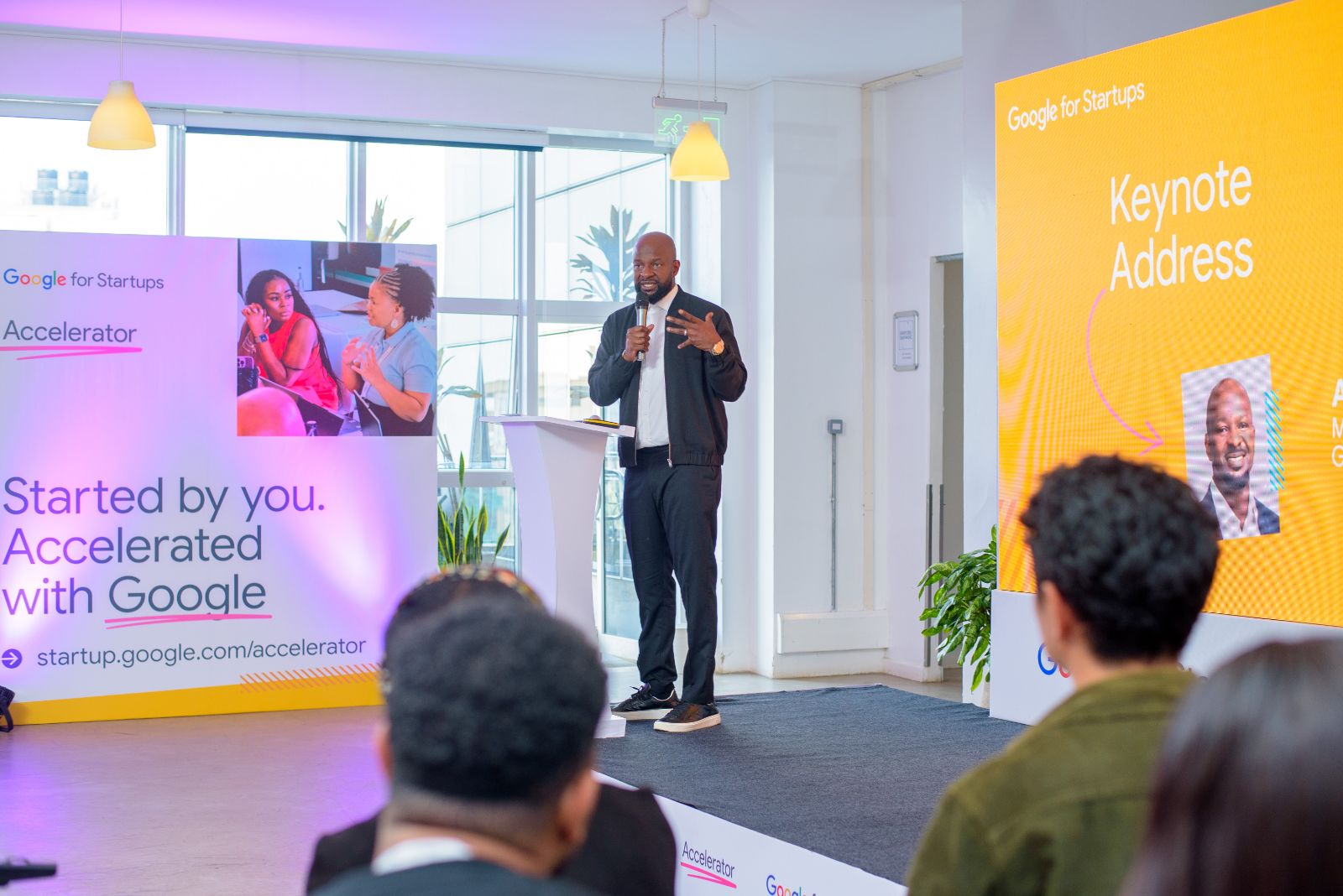
This progress was evident during Google's latest Startup Accelerator Africa programme, where 15 startups from eight countries showcased AI-powered businesses, with many already generating revenue and operating profitable models. Their success demonstrates that Africa has moved beyond asking whether it can adopt AI and is now focused on scaling practical applications.
Africa Has the Builders, But the Ecosystem Still Lacks the Resources They Need
According to Alex Okosi, the biggest challenge facing African AI startups is not talent or creativity. Instead, it is the lack of investment and the supporting infrastructure needed to transform promising products into globally competitive businesses.
Reliable cloud services, modern data centres, computing capacity, and patient capital remain limited across many African markets. While entrepreneurs continue building innovative AI solutions, these infrastructure gaps make it more difficult for startups to expand, process large datasets, and compete with companies operating in more mature technology ecosystems.
Investors Must Start Seeing Africa as an AI Opportunity, Not a Future Prospect
Okosi believes international investors still underestimate Africa's AI potential. Although startups across the continent are already applying artificial intelligence to solve local problems, funding has not grown at the same pace as innovation.
Changing this perception will require investors to recognise Africa as a market where AI businesses are already creating measurable value rather than waiting for the ecosystem to mature. Increased investment would allow startups to improve products, hire more technical talent, and scale solutions that address uniquely African challenges while remaining globally competitive.
The Next Chapter of Africa’s AI Story Depends on Collaboration Across the Ecosystem

The conversation around African AI is gradually shifting from adoption to long-term competitiveness. Building successful AI companies will require stronger partnerships between governments, cloud providers, universities, investors, and technology companies to create an environment where innovation can flourish.
If these ecosystem challenges are addressed, Africa has the opportunity to become more than just a consumer of artificial intelligence. It can become a producer of globally relevant AI technologies that create jobs, improve productivity, and contribute significantly to economic growth over the next decade. As startups continue proving what is possible, the focus now shifts to ensuring the ecosystem evolves quickly enough to support their ambitions.