
Two Startups, One Bigger Question for African Innovation
Startup funding headlines often focus on multi-million-dollar rounds and unicorn valuations. But for many early-stage companies across Africa, smaller investments can have a greater impact on long-term survival.
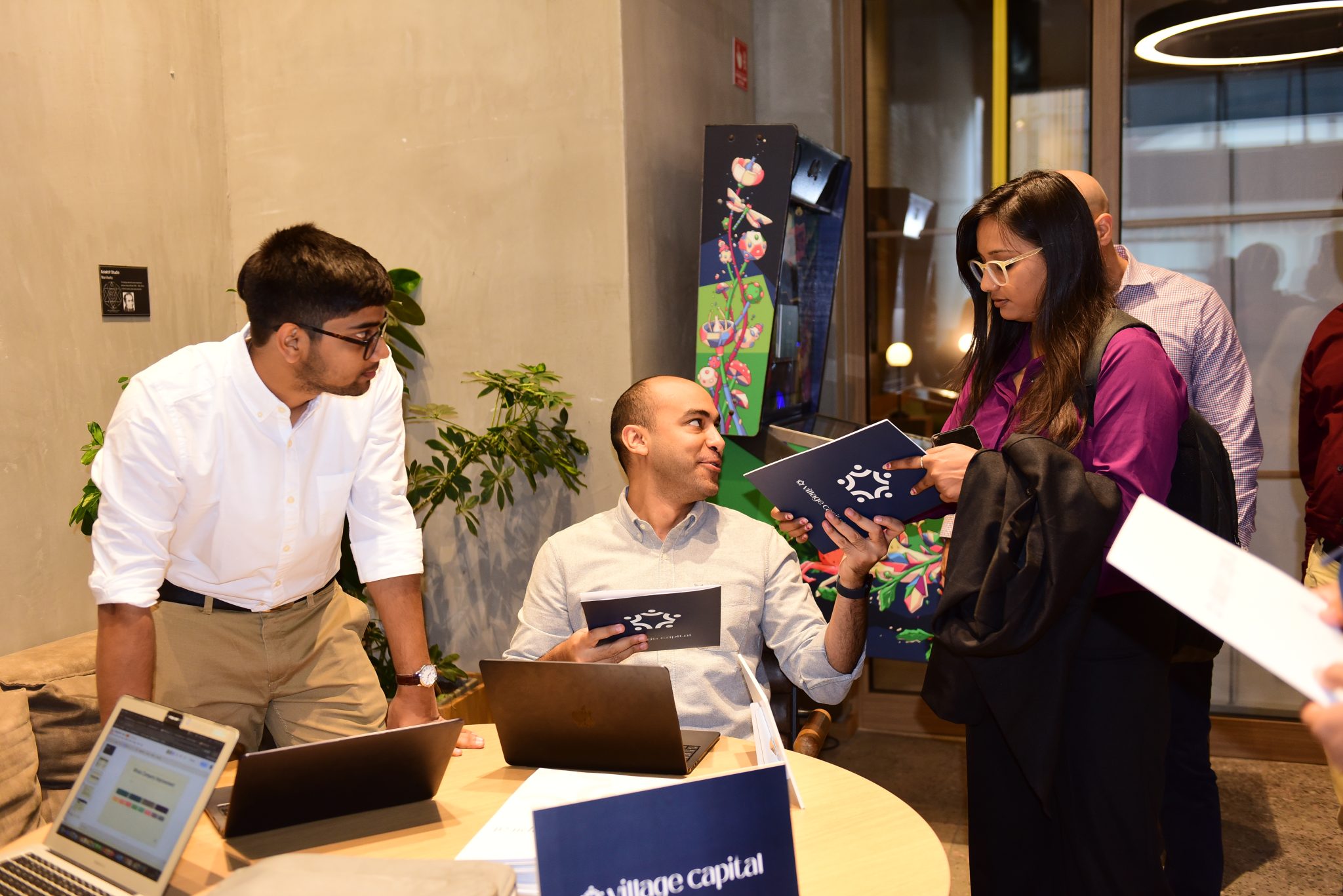
Village Capital’s decision to back two Ghanaian startups reflects this reality. In a funding environment where investors have become more cautious, capital is increasingly flowing toward businesses that demonstrate clear market demand and sustainable business models rather than ambitious expansion plans alone.
The Funding Environment Has Changed
A few years ago, African startups could often attract investment by demonstrating rapid growth potential. Today, investors are asking different questions.
They want evidence of revenue, customer retention, and a realistic path to profitability. This shift has made fundraising more difficult for many founders, but it has also pushed startups to focus on building stronger businesses from the outset. The startups attracting support today are often those solving immediate problems with models that can generate value beyond the initial funding cycle.
Local Problems Are Attracting More Attention
One of the notable trends in African technology is the growing interest in solutions designed for specific local challenges.
Whether addressing gaps in healthcare, financial access, agriculture, or logistics, investors are increasingly rewarding founders who understand the realities of the markets they operate in. A startup that solves a persistent local problem can sometimes create more lasting value than one attempting to replicate business models imported from other regions.
This reflects a maturing ecosystem where practical execution is becoming just as important as innovation itself.
Small Funding Can Create Large Outcomes

While $350,000 may seem small compared to the larger rounds that often dominate headlines, early-stage funding can be critical for startups navigating their most vulnerable growth phase.
For many founders, access to capital at the right moment can mean hiring key talent, improving products, expanding customer acquisition, or reaching profitability sooner. The size of the investment matters, but timing often matters more.
In Africa's current startup landscape, targeted capital may deliver greater impact than large funding rounds that arrive before a business model is fully proven.
Forward-Looking Implications for African Startup Funding
Village Capital’s investment reflects a broader shift in how startup success is being measured across Africa. Investors are increasingly prioritising resilience, operational discipline, and real-world impact over growth narratives alone.
If this trend continues, founders may focus less on raising the biggest funding rounds and more on building businesses that solve meaningful problems while generating sustainable revenue. That could create a healthier startup ecosystem in the long run. The startups that thrive may not necessarily be the ones that raise the most money, but the ones that use capital most effectively.