How M-KOPA Is Turning Smartphone Repayments Into a New Model for Digital Lending
For millions of Africans, access to formal credit remains difficult due to the absence of traditional credit histories. Banks often require collateral, lengthy documentation, or financial records that many low-income earners simply do not have. As a result, many people who consistently earn an income are still locked out of financial services.
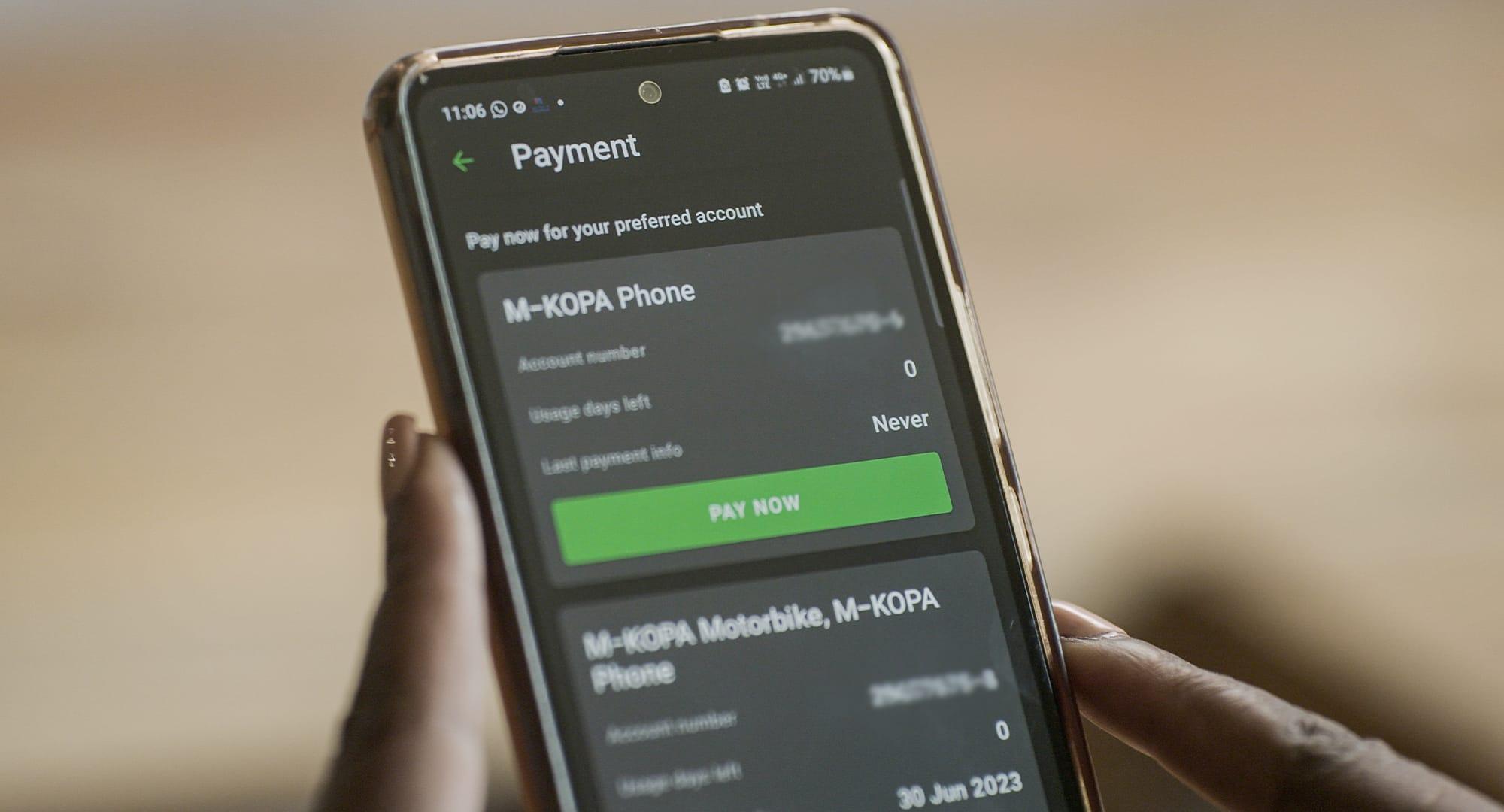
M-KOPA has built a different approach. Instead of evaluating customers through conventional banking metrics, the company finances smartphones through affordable daily, weekly, or monthly payments. Each repayment helps customers establish a financial track record, allowing M-KOPA to assess repayment behaviour over time.
What begins as smartphone financing gradually becomes a pathway to broader financial services. Customers who consistently meet their repayment obligations can later qualify for digital loans and other financial products without needing a traditional banking history.
A Smartphone Is Becoming the First Step Toward Financial Inclusion
M-KOPA's lending model reflects a growing shift in African fintech, where access to credit is increasingly tied to digital behaviour rather than paperwork. The financed smartphone serves both as an essential productivity tool and as the foundation for building a customer's financial profile.
This model has proven particularly valuable for first-time borrowers. Customers who have never accessed formal credit can gradually establish trust through consistent repayments, opening the door to additional financial products that would otherwise remain unavailable.
By using repayment data instead of traditional credit scoring, M-KOPA is expanding financial inclusion for millions of people who operate outside the conventional banking system.
Repayment Data Is Becoming One of Fintech's Most Valuable Assets
Every repayment made through the platform generates data that helps M-KOPA better understand customer behaviour. Rather than relying on static financial records, the company continuously evaluates how customers manage their obligations over time.
This allows lending decisions to become faster, more personalised, and potentially less risky. Customers with strong repayment histories may qualify for larger loans or additional financial services, while the company gains greater confidence in managing credit risk.
The strategy demonstrates how fintech companies are increasingly transforming customer data into tools that improve lending decisions while expanding access to finance.
The Future of Lending May Be Built Around Digital Behaviour Instead of Credit Scores

M-KOPA's success suggests that alternative credit models could reshape lending across emerging markets. As more people purchase smartphones and participate in digital financial ecosystems, behavioural data may become a stronger indicator of creditworthiness than traditional banking records.
For fintech companies, this creates opportunities to serve millions of customers who remain financially underserved despite having stable incomes and reliable repayment habits. It also allows lenders to extend credit with greater confidence while reducing dependence on outdated evaluation methods.
If similar models continue to scale across Africa, smartphone financing may evolve into one of the continent's most important entry points into formal financial services, helping millions build credit histories, access affordable loans, and participate more fully in the digital economy.