
Kenya’s New Tax Proposal Could Make Digital Access More Expensive
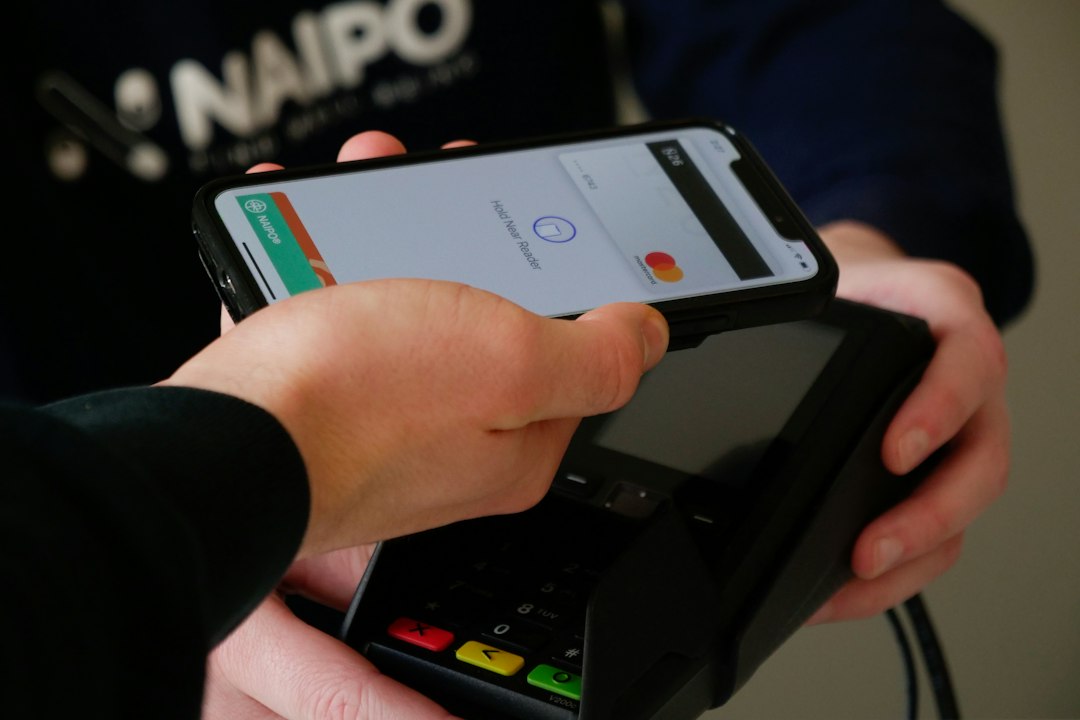
For many households across Kenya, buying a smartphone or a solar home system outright remains difficult. Companies such as M-KOPA and Sun King built their businesses around that reality, allowing customers to pay in small instalments rather than making large upfront purchases.
The model has become one of Africa’s most successful innovations in consumer finance. It has helped millions access smartphones, internet connectivity, digital financial services, and off-grid energy. Kenya’s proposed tax changes now place that model under scrutiny, not because demand is falling, but because affordability could become more difficult to maintain.
The issue is bigger than taxation alone. It touches on how governments balance revenue generation with digital and financial inclusion goals.
The Success Of Pay-As-You-Go Was Built On Affordability
Companies like M-KOPA succeeded because they solved a simple problem. Many consumers could afford small daily or weekly payments, but not the full cost of a device.
A motorcycle rider in Kisumu may use a financed smartphone to access mobile banking and ride-hailing platforms. A family in rural Kenya may rely on a pay-as-you-go solar system because grid electricity remains unavailable or unreliable. In both cases, affordability is what makes access possible.
When additional taxes increase overall costs, even modest price increases can affect customer uptake. The households targeted by these services are often highly sensitive to changes in monthly payments.
A Small Tax Increase Can Have A Large Market Effect
One of the challenges with taxing financed products is that the impact extends beyond the purchase itself.
A more expensive smartphone does not only affect device sales. It can influence internet adoption, mobile money usage, digital commerce participation, and access to online services. Similarly, higher costs for solar products can slow energy access in communities where alternative options remain limited.
The friction becomes most visible among lower-income consumers, who often sit at the centre of digital inclusion efforts. A relatively small increase in repayment costs may be enough to push some households out of the market entirely.
The Debate Reflects A Larger Policy Trade-Off

Governments across Africa are under pressure to increase domestic revenue collection. As digital businesses grow, policymakers naturally look at new sectors as potential sources of tax income.
At the same time, many of those same governments are promoting financial inclusion, digital transformation, and energy access. This creates a difficult balancing act. Policies that generate revenue in the short term can sometimes slow the adoption of products that support longer-term development goals.
The challenge is not choosing between taxation and inclusion. It is finding a balance where both objectives can coexist.
Why Investors Are Watching Closely
The proposed changes are not only important for consumers. They are also being watched closely by investors in Africa’s consumer technology sector.
Pay-as-you-go companies have attracted significant funding because they demonstrated an ability to reach underserved markets at scale. Investors view affordability as a core part of that business model. Any policy that changes repayment dynamics can affect growth projections, customer acquisition, and long-term profitability.
This is why tax policy increasingly matters far beyond government budgets. It can directly influence how quickly technology adoption expands across emerging markets.
Forward-Looking Implications for Kenya’s Digital Economy
Kenya’s tax proposal highlights a tension that many African countries are likely to face in the coming years. Governments need revenue to fund public services, but they also want to expand access to technology, financial services, and energy infrastructure.
Moving forward, the key question may not be whether products like smartphones and solar systems remain in demand. Demand is already strong. The bigger question is whether they remain affordable enough for the households that need them most.
The outcome will help determine whether digital inclusion continues expanding at its current pace or encounters new economic barriers along the way.