
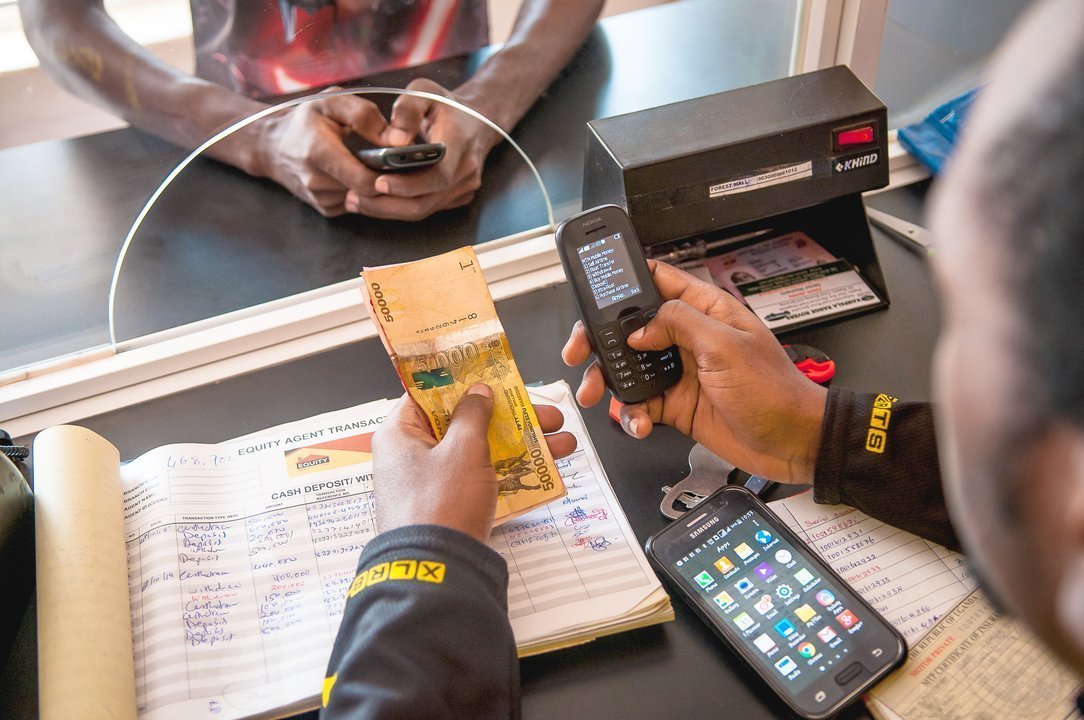
Uganda Wants Less Cash. Businesses Want Fewer Payment Headaches
Beginning in January 2027, Uganda will cap over-the-counter cash withdrawals at UGX 50 million ($13,700) per day for individuals and UGX 500 million ($137,000) for businesses, while also reducing cheque transaction limits. The Bank of Uganda says the measures are intended to accelerate the shift toward electronic payments, including mobile money, internet banking, and real-time settlement systems.
On paper, the policy reflects a broader trend across Africa, where governments are encouraging digital payments to improve efficiency, transparency, and financial inclusion. But the real test will happen far from central bank boardrooms, in the daily operations of traders, wholesalers, transport companies, and small businesses that still rely heavily on cash.
The Challenge Is Not Access to Digital Payments
Uganda already has one of East Africa’s most active mobile money ecosystems. The challenge is not whether digital payment channels exist. It is whether they work reliably enough under real business conditions.
Consider a produce trader moving goods from Kampala to regional markets. A delayed payment confirmation can slow deliveries, while network interruptions can create uncertainty about whether funds have actually arrived. In those situations, cash remains attractive because it settles immediately and leaves little room for doubt.
For many businesses, payment speed matters just as much as payment technology.
Why Businesses Still Keep One Foot in Cash
One common assumption is that businesses prefer cash because they resist digital adoption. In reality, many operate in both worlds.
A wholesaler may pay suppliers electronically but still receive part of their revenue in cash. A transport operator may use mobile money for some transactions while relying on physical cash for fuel, wages, or purchases in areas with weaker digital infrastructure.
This hybrid behavior is driven by practicality rather than resistance. Businesses choose whichever payment method creates the least friction in a given situation.
The Policy Could Expose Existing Gaps

The withdrawal limits may encourage greater use of digital channels, but they could also expose weaknesses that businesses have learned to work around.
If transaction failures, settlement delays, or service interruptions remain common, companies may simply face new operational challenges rather than fully abandoning cash. Similar cash-reduction efforts in other African markets have shown that policy changes alone do not automatically change behavior.
Businesses move when digital systems become consistently reliable under pressure.
That means the effectiveness of the policy will depend as much on infrastructure and user experience as on regulation.
Forward-Looking Implications for Uganda’s Digital Economy
Uganda’s cash withdrawal limits reflect a wider continental shift toward digital finance and traceable payment systems. The direction is clear: governments want more transactions moving through formal electronic channels.
Moving forward, the key question is not whether businesses can use digital payments. Most already do.
The bigger question is whether digital systems can become reliable enough to handle the everyday pressures of trade, transport, and commerce without forcing businesses to keep cash as a backup plan.
If that reliability improves, Uganda’s transition could accelerate significantly. If it does not, the economy may continue operating in the hybrid space where digital payments grow, but cash remains essential.