
Africa’s Electric Motorcycle Boom Is No Longer About Vehicles
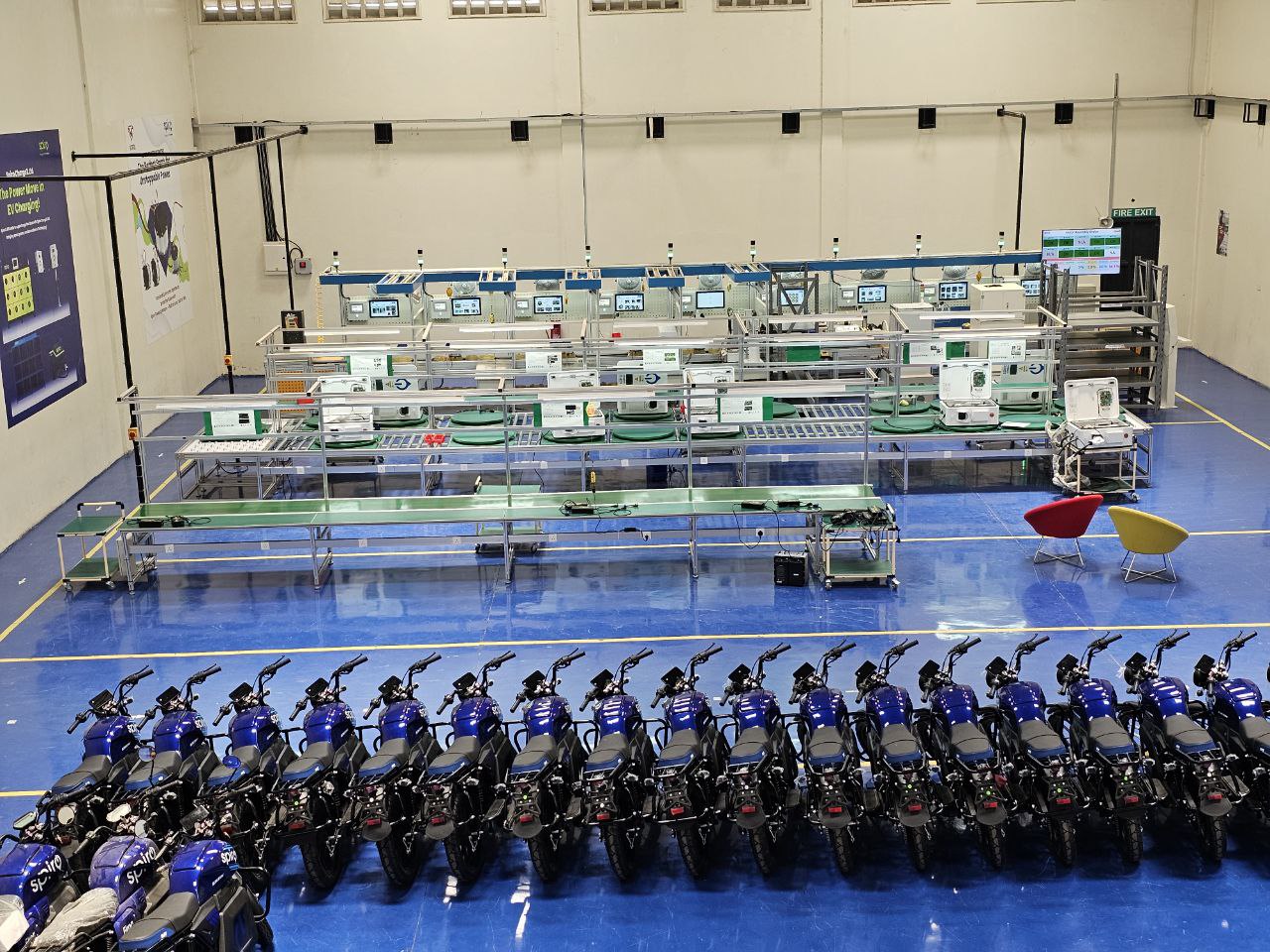
Spiro's latest $215 million funding round is one of the largest investments in Africa's electric mobility sector in recent years. The company plans to expand its electric motorcycle and battery-swapping operations across multiple African markets, joining a growing list of startups trying to transform urban transport through cleaner energy systems.
On the surface, the business case looks straightforward. Electric motorcycles can reduce fuel costs, lower emissions, and provide riders with more predictable operating expenses. But the industry's biggest challenge has never been selling motorcycles. It has been building the infrastructure needed to keep them moving.
The Rider's Economics Matter More Than The Technology
For many commercial riders in cities such as Nairobi, Lagos, Kigali, and Cotonou, transport is a daily income business.
A motorcycle rider does not evaluate an electric bike based on environmental benefits. They evaluate it based on how many passengers they can carry, how quickly they can replace a battery, and whether the vehicle stays operational throughout a full working day.
If a rider loses hours searching for a charging point or waiting for maintenance, income disappears immediately. This is why battery-swapping systems have become central to Africa's electric mobility model. The goal is not convenience. It is keeping riders on the road and earning.
Infrastructure Is Becoming The Real Product
One reason investors continue backing companies like Spiro is that the value increasingly sits beyond the motorcycle itself.
A rider can purchase a vehicle from multiple manufacturers. What is harder to replicate is a network of battery stations, maintenance hubs, spare parts supply chains, and technicians capable of supporting thousands of vehicles simultaneously.
In many African markets, mobility companies are discovering that building infrastructure is often more difficult and expensive than deploying vehicles. Expansion, therefore, depends on operational execution as much as technology adoption.
Why Investors Are Paying Attention

Africa's motorcycle economy is enormous. Millions of people rely on motorcycles for transport, deliveries, logistics, and informal commerce. Rising fuel prices in recent years have also increased interest in alternatives that offer lower operating costs over time.
Investors are increasingly betting that if electric mobility companies can solve the infrastructure problem, they can tap into one of the continent's largest transport markets. The opportunity is not simply replacing motorcycles. It is becoming part of the ecosystem that keeps urban mobility functioning every day.
What Comes Next
Spiro's funding round reflects growing confidence that electric mobility can move beyond pilot projects and become part of mainstream transport infrastructure across Africa.
But moving forward, success will depend less on how many motorcycles are deployed and more on whether companies can build reliable battery networks, maintain vehicle uptime, and support riders under real operating conditions. The companies that solve those practical challenges are likely to shape the next phase of Africa's transport economy.