Safaricom Wants More Homes Online. The Hard Part Starts After the Fibre Arrives
Safaricom has announced plans to expand its fibre network to 1.5 million homes and businesses by 2030, strengthening its position in Kenya’s rapidly growing broadband market. The investment reflects a broader shift as telecom companies look beyond mobile services and increasingly compete for household internet customers.
Demand is certainly there. Remote work, streaming services, online education, cloud applications, and digital businesses have all increased the need for reliable broadband. Yet expanding fibre coverage is often the easiest part of the equation. The harder challenge is ensuring enough customers can consistently pay for the service after the cables are installed.
Building The Network Is Only Half The Business
Fibre expansion is often presented as a technology story, but it is also an infrastructure story.
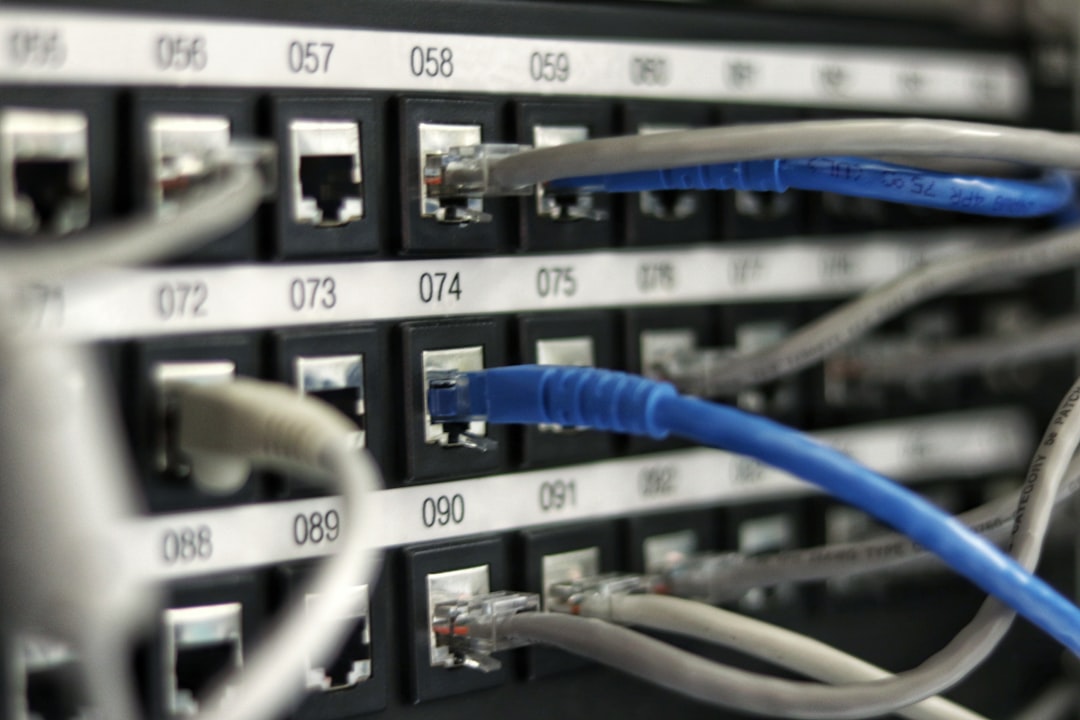
Every new connection requires trenching, equipment installation, maintenance, customer support, and ongoing network upgrades. Unlike mobile networks, fibre depends heavily on physical deployment, making expansion both capital-intensive and time-consuming.
A neighbourhood may have fibre access, but operators still need enough paying customers to justify the investment. In many cases, profitability depends not simply on coverage but on how many households actively subscribe once the infrastructure becomes available.
The Real Competition Is Affordability
Kenya’s broadband market has become increasingly competitive, with providers offering different pricing models and packages to attract customers.
For many households, internet access is no longer viewed as a luxury. However, it still competes with other monthly expenses such as rent, transport, electricity, and food. This means telecom companies are not just competing against each other. They are competing for a share of household budgets.
A family in Nairobi may want faster internet for streaming and remote work, but affordability often determines whether they upgrade, downgrade, or remain offline altogether. This makes pricing just as important as network quality.
Fibre Growth Could Reshape Small Businesses
Beyond households, fibre expansion has important implications for small businesses.
A retail shop processing digital payments, a content creator uploading videos, or a startup running cloud-based software all depend on stable internet connections. Faster broadband can improve productivity and create new opportunities for businesses that increasingly operate online.
However, access alone does not guarantee economic impact. Small businesses must still balance connectivity costs against other operating expenses. The businesses that benefit most are often those able to translate better internet access into higher revenue or greater efficiency.
Why Telecom Companies Are Betting On Broadband
For years, mobile voice and data services drove telecom growth across Africa. Today, those markets are becoming more competitive, and operators are looking for new revenue opportunities.
Fibre broadband offers one of the clearest growth paths. Customers who subscribe to home internet often remain connected for longer periods and typically generate more predictable revenue than prepaid mobile users.
This helps explain why telecom companies across Africa are investing heavily in broadband infrastructure despite the high upfront costs. The goal is not simply expanding coverage. It is building long-term customer relationships in an increasingly digital economy.
Forward-Looking Implications for Kenya’s Connectivity Market
Safaricom’s fibre expansion reflects confidence in Kenya’s digital future. More homes and businesses are moving online, and demand for reliable broadband is expected to continue growing over the coming years.
But the success of the strategy will depend on more than network deployment. The real test will be whether operators can make fibre services affordable enough to drive adoption while generating sustainable returns on large infrastructure investments.
As Kenya’s digital economy expands, the companies that succeed may not be those that build the most fibre. They may be the ones that find the right balance between coverage, affordability, and long-term profitability.