
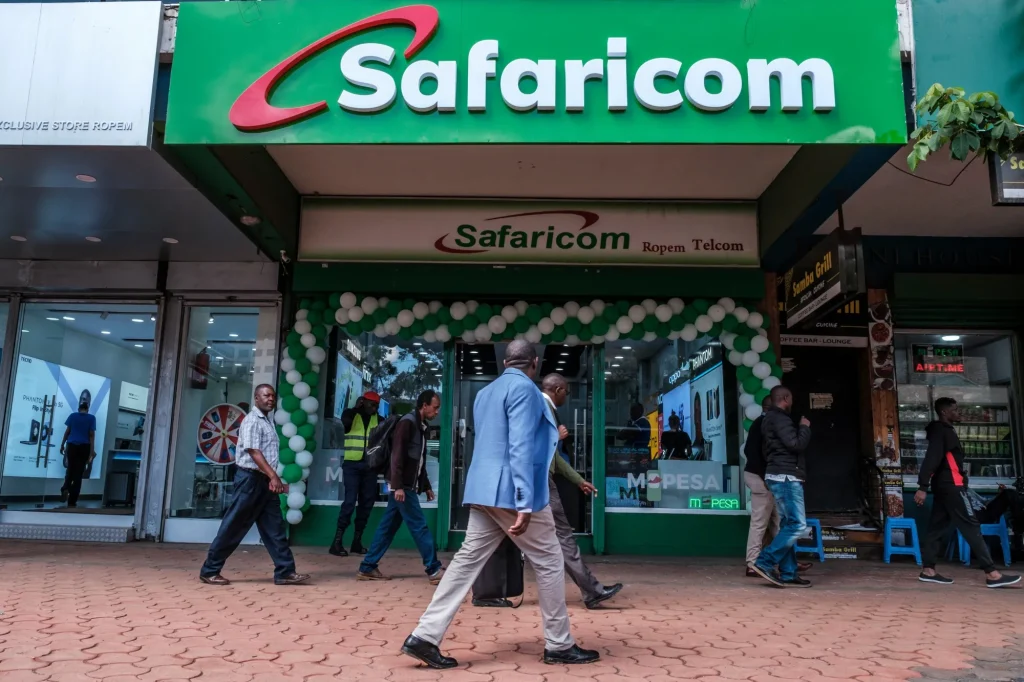
Safaricom’s Governance Changes Show Ownership Is Beginning to Shape Strategy More Directly
Corporate governance rarely attracts as much attention as new products or financial results, yet it often determines how companies make long-term strategic decisions. Safaricom's proposed governance overhaul illustrates how changes in ownership can reshape leadership structures without altering day-to-day operations.
Following Vodafone Kenya's acquisition of an additional 15% stake from the Kenyan government, the company now controls 55% of Safaricom. As a result, shareholders will vote on proposals that would allow Vodafone Kenya to nominate the Chief Executive Officer, executive directors, and shareholder-appointed directors while it maintains majority ownership.
The proposed amendments also replace previous ownership thresholds with a single 50% benchmark, aligning Safaricom's governance framework with its new shareholding structure. While these changes appear administrative, they represent an important shift in how leadership decisions could be made in the future.
Majority Ownership Naturally Brings Greater Influence
When an investor owns more than half of a company's shares, greater influence over strategic direction often follows. The proposed governance changes formalise that reality by aligning board nomination rights with Vodafone Kenya's controlling stake.
From a corporate governance perspective, this can improve decision-making by creating clearer accountability between ownership and management. A majority shareholder that appoints senior leadership also bears greater responsibility for the company's long-term performance and strategic outcomes.
However, listed companies must also balance the interests of minority shareholders. Maintaining transparency, board independence, and strong governance practices will remain essential to preserving investor confidence even as ownership becomes more concentrated.
Governance Could Become a Competitive Advantage
Safaricom operates in one of Africa's most competitive telecommunications markets, where decisions about network expansion, digital services, artificial intelligence, and regional growth increasingly require quick execution.
A governance structure that enables faster strategic alignment between shareholders and management may allow the company to respond more effectively to changing market conditions. At the same time, strong oversight remains necessary to ensure that operational decisions continue serving customers, employees, and public shareholders alongside the interests of the majority owner.
As telecom companies diversify into fintech, cloud services, enterprise solutions, and digital infrastructure, governance is becoming a strategic asset rather than simply a legal requirement.
Forward-Looking Implications for Africa’s Corporate Governance Landscape

Safaricom's proposed governance reforms highlight a broader trend across African capital markets. As multinational investors increase their ownership in strategic companies, governance structures are evolving to reflect new shareholder realities.
If approved, the changes could influence how other listed companies across the continent approach board appointments, executive succession, and shareholder rights when ownership structures shift. The challenge will be ensuring that stronger shareholder control continues to coexist with transparency, accountability, and protection for minority investors.
Ultimately, Safaricom's proposal is about more than appointing a future CEO. It reflects how governance is becoming an increasingly important competitive tool, shaping how Africa's largest companies are led, how quickly they can execute strategy, and how they balance the interests of global investors with those of local markets.