
Nigeria’s New Data Rules Could Transform Local Data Centres Into Critical Financial Infrastructure
For years, much of Nigeria's financial data has been hosted on global cloud platforms such as Amazon Web Services, Microsoft Azure, and Google Cloud. While these services offer world-class reliability, they also place critical financial information outside Nigeria's direct regulatory control.
The CBN's latest directive changes that model. From January 2027, all payment transaction data generated within Nigeria must be stored and managed locally, requiring banks and fintech companies to migrate large portions of their digital infrastructure to Nigerian data centres. The move is one of the country's most significant data localisation policies to date.
Beyond regulatory compliance, the policy reflects a broader shift in how governments view data. Financial information is increasingly treated as strategic national infrastructure, making its location just as important as its security.
Data Sovereignty Is Becoming an Economic Strategy, Not Just a Security Policy
The directive is about more than knowing where data is stored. By keeping payment information within Nigeria, regulators can respond more quickly to fraud investigations, strengthen cybersecurity oversight, and reduce dependence on foreign jurisdictions.
There is also an economic dimension. Nigerian businesses spend significant amounts on overseas cloud hosting. If more of that spending shifts to domestic providers, local data centre operators could benefit from higher demand, increased investment, and new employment opportunities within the country's digital infrastructure sector.
However, localisation alone does not guarantee success. The quality, reliability, and scalability of local infrastructure will ultimately determine whether financial institutions can maintain the same level of service they currently receive from global cloud providers.
Nigeria’s Data Centres Are About to Face Their Biggest Stress Test
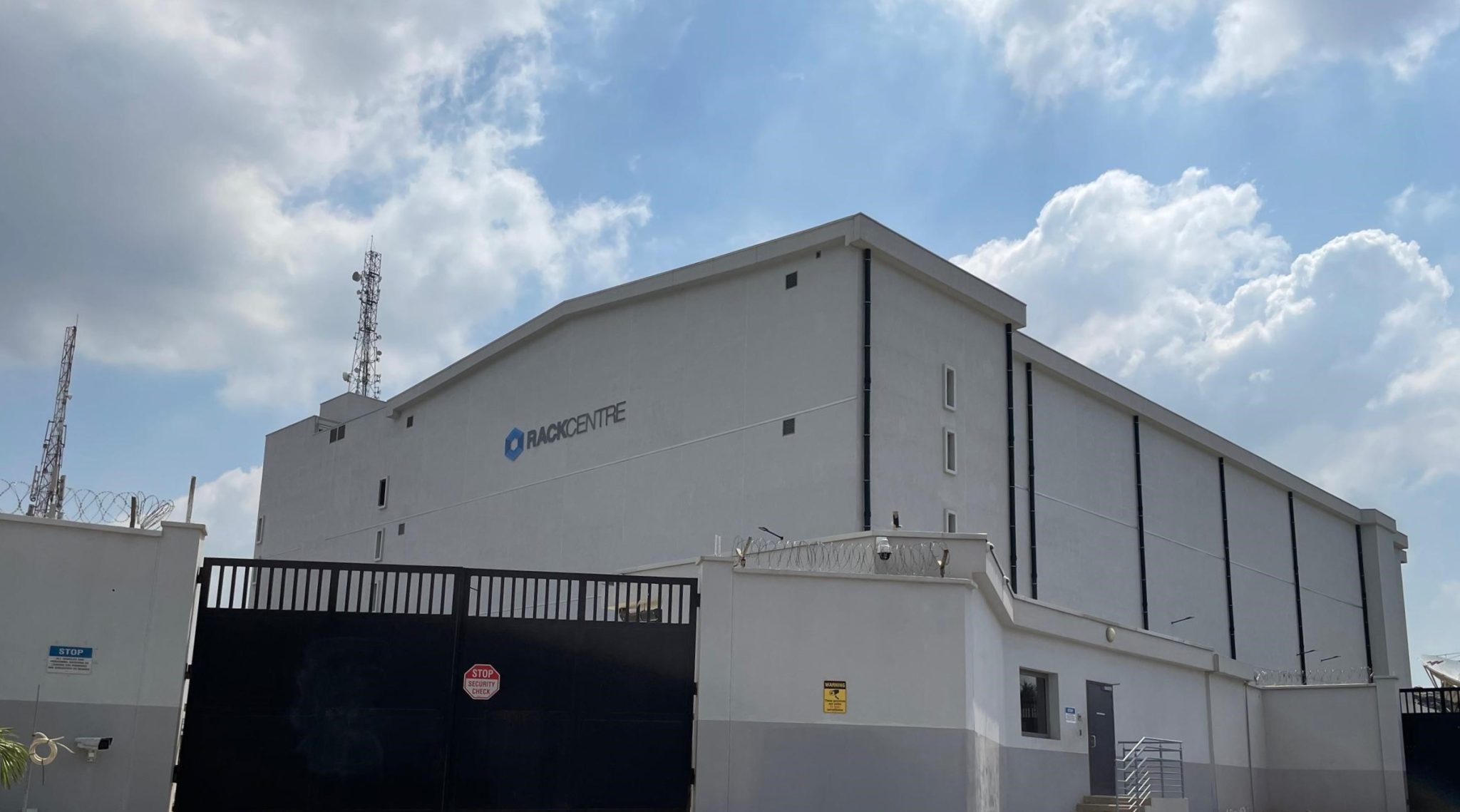
Industry operators say they are ready for the transition, pointing to years of investment in modern facilities and improvements in local hosting capacity. Nigeria now has dozens of data centre facilities, including commercial centres serving banks, fintechs, and enterprise customers.
The challenge, however, extends beyond physical infrastructure. Financial institutions process billions of digital transactions every year, and any disruption during migration could affect payment systems that millions of businesses and consumers depend on daily.
Successfully managing this transition will require close collaboration between regulators, banks, fintech companies, cloud providers, and data centre operators. Execution, rather than policy itself, will determine whether the migration strengthens or strains Nigeria's financial ecosystem.
Forward-Looking Implications for Nigeria’s Digital Economy

The CBN's directive may mark the beginning of a broader data sovereignty strategy across Nigeria. If the financial sector successfully completes the migration, similar localisation requirements could eventually extend to industries such as healthcare, telecommunications, government services, and energy.
For local data centre operators, the policy represents one of the largest commercial opportunities in recent years. Increased demand could encourage further investment in cloud infrastructure, cybersecurity, and artificial intelligence capabilities while reducing reliance on foreign hosting providers.
Ultimately, the success of the directive will not be measured simply by whether data is stored inside Nigeria. It will depend on whether local infrastructure can deliver the reliability, resilience, and performance required to support one of Africa's fastest-growing digital payment ecosystems.