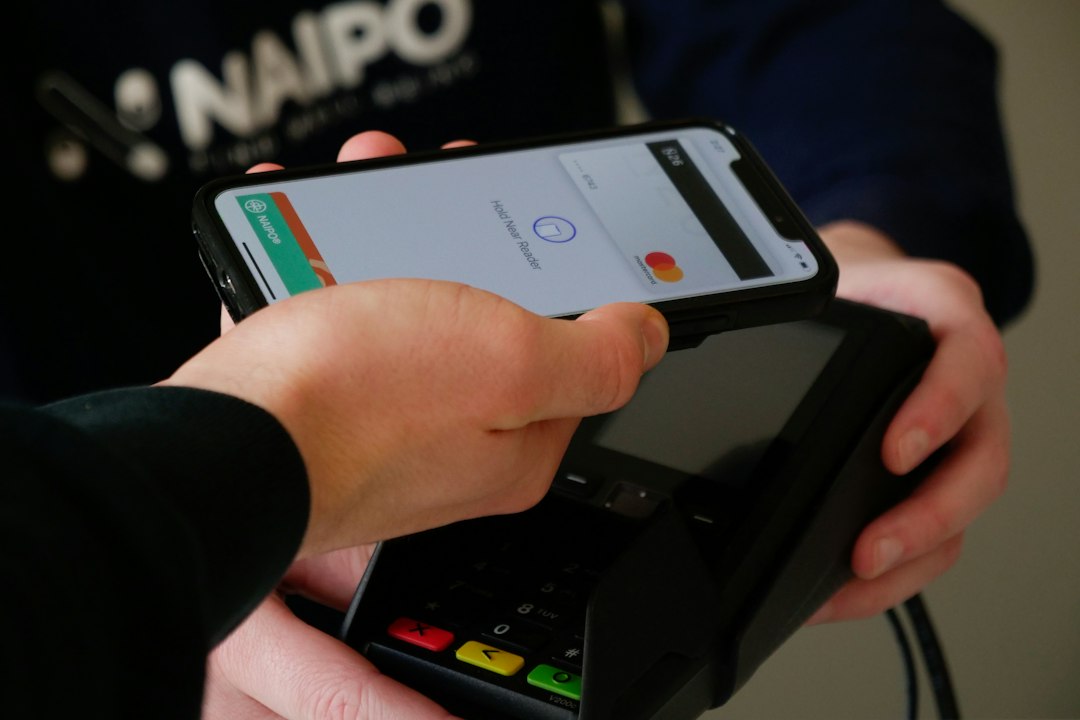
According to a recent report by CoinGeek, Nigeria's digital payment fraud has seen a significant decline, with losses totaling $19 million. This decrease in fraudulent activities is a testament to the country's growing digital payment ecosystem and the efforts of regulatory bodies to combat financial crimes. However, this positive trend also masks underlying vulnerabilities that need to be addressed to ensure the continued growth and security of Nigeria's digital payment landscape.
Regulatory Efforts and Infrastructure Development
The Nigerian government has been proactive in promoting the use of digital payments, with initiatives such as the National Financial Inclusion Strategy and the Cashless Policy. These efforts have led to an increase in the adoption of digital payment systems, including mobile money and online banking. However, the lack of a comprehensive regulatory framework and inadequate infrastructure remain major challenges to the growth of digital payments in Nigeria.
Comparative Analysis with Global Benchmarks
In comparison to other emerging markets, Nigeria's digital payment landscape is still in its early stages of development. For instance, Kenya's M-Pesa, a mobile money service, has been in operation since 2007 and has achieved significant success in promoting financial inclusion. Similarly, India's Unified Payments Interface (UPI) has seen rapid growth since its launch in 2016. Nigeria can learn from these examples and adopt strategies that have worked in other markets to promote digital payment adoption and security.
Pan-African Perspective: Building Regional Capacity
Trusted by Families Across the Diaspora
Keep Your Family Connected with Remmittance.com
Send airtime, pay electric bills, and manage subscriptions for your loved ones back home in seconds.
Fast, secure, and affordable support when it matters most.
- ✅ Instant Delivery
- ✅ 99.9% Success Rate
- ✅ Pay Electric Bill
- ✅ 24/7 Support
Send Support Now →
As we observe from our base in Lagos, the growth of digital payments in Nigeria has significant implications for the broader African market. The development of a robust digital payment ecosystem in Nigeria can serve as a model for other African countries, promoting regional integration and economic growth. The African Continental Free Trade Area (AfCFTA) agreement, which aims to create a single market for goods and services, can also facilitate the growth of digital payments across the continent.
Future Implications and Recommendations
To address the underlying vulnerabilities in Nigeria's digital payment landscape, regulatory bodies must prioritize the development of a comprehensive regulatory framework. This should include measures to enhance security, promote transparency, and encourage innovation. Additionally, investment in digital infrastructure, such as mobile networks and payment systems, is crucial to support the growth of digital payments. By addressing these challenges, Nigeria can unlock the full potential of its digital payment ecosystem, promoting financial inclusion, economic growth, and regional integration.