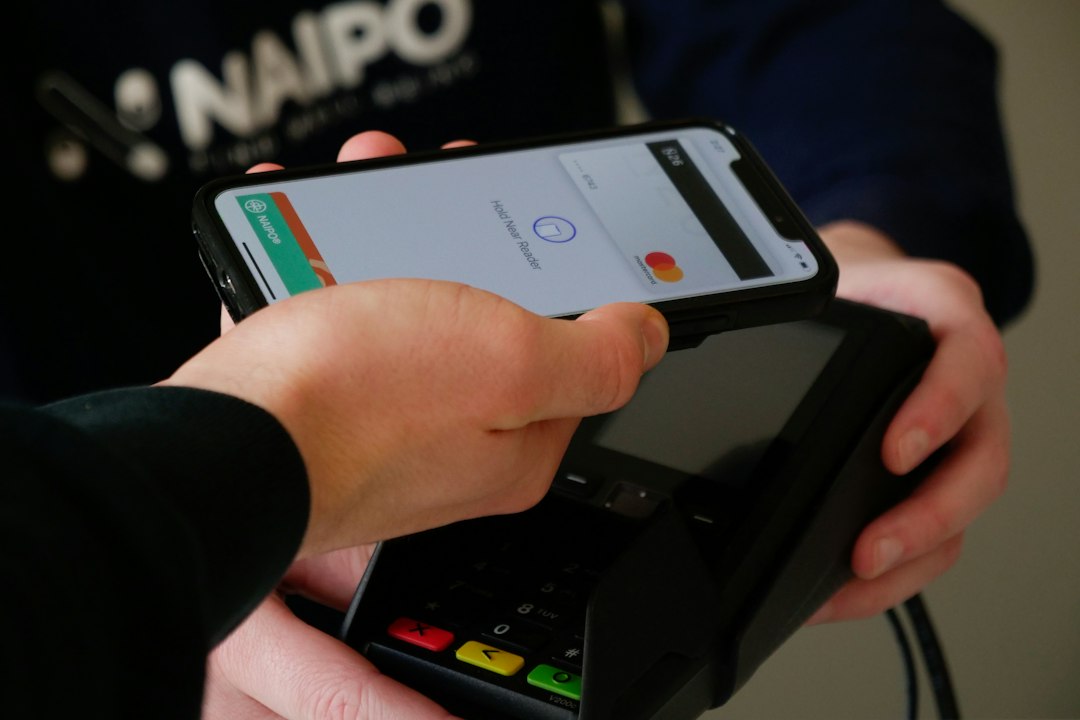
In a bid to modernize its public transportation system, the Lagos State Government has signed a deal with transport unions to introduce digital payments for danfo buses, a move that promises to transform the way citizens pay for their daily commutes. This development is part of a broader push towards a cashless economy, a trend that is gaining momentum across Africa.
According to a report by Techpoint Africa, a startup had previously attempted to introduce a cashless payment system for danfo buses but ultimately failed. The reasons behind this failure are not explicitly stated, but it is clear that the Lagos government is now taking a more proactive approach to drive this initiative forward. The deal with transport unions is a significant step towards achieving this goal, as it ensures that all stakeholders are on board with the new system.
Technical Details and Market Implications
The introduction of digital payments for danfo buses is expected to have a significant impact on the transportation sector in Lagos. With a population of over 20 million people, Lagos is one of the most populous cities in Africa, and its public transportation system is a critical component of the city's infrastructure. By introducing digital payments, the government aims to increase efficiency, reduce the risk of cash handling, and provide a more convenient experience for commuters. The use of digital payments is also expected to drive financial inclusion, as it will provide an opportunity for people to access formal financial services. This is particularly important in a country like Nigeria, where a significant portion of the population is unbanked. According to a report by the World Bank, in 2020, only 39% of adults in Nigeria had a bank account.
Global Comparative Context
The introduction of digital payments for danfo buses in Lagos is part of a broader trend towards digital payments that is sweeping across Africa. In Kenya, for example, the use of mobile money has become ubiquitous, with services like M-Pesa allowing users to pay for goods and services using their mobile phones. Similarly, in South Africa, the use of digital payments is becoming increasingly popular, with services like SnapScan and Zapper allowing users to make payments using their mobile devices. In comparison to other emerging markets, Africa is leading the way in terms of digital payments. According to a report by ResearchAndMarkets.com, the digital payments market in Africa is expected to grow at a compound annual growth rate (CAGR) of 20.5% from 2020 to 2025, which is higher than the global average. This growth is driven by the increasing adoption of mobile devices, the expansion of mobile money services, and the growing demand for convenient and secure payment solutions.
Conclusion and Future Outlook
Trusted by Families Across the Diaspora
Keep Your Family Connected with Remmittance.com
Send airtime, pay electric bills, and manage subscriptions for your loved ones back home in seconds.
Fast, secure, and affordable support when it matters most.
- ✅ Instant Delivery
- ✅ 99.9% Success Rate
- ✅ Pay Electric Bill
- ✅ 24/7 Support
Send Support Now →
The introduction of digital payments for danfo buses in Lagos is a significant development that promises to transform the way citizens pay for their daily commutes. As the city continues to grow and develop, it is clear that digital payments will play an increasingly important role in the transportation sector. The success of this initiative will depend on the ability of the government and transport unions to work together to ensure a seamless transition to the new system. If successful, this initiative could serve as a model for other cities in Africa, driving the adoption of digital payments and promoting financial inclusion across the continent.