
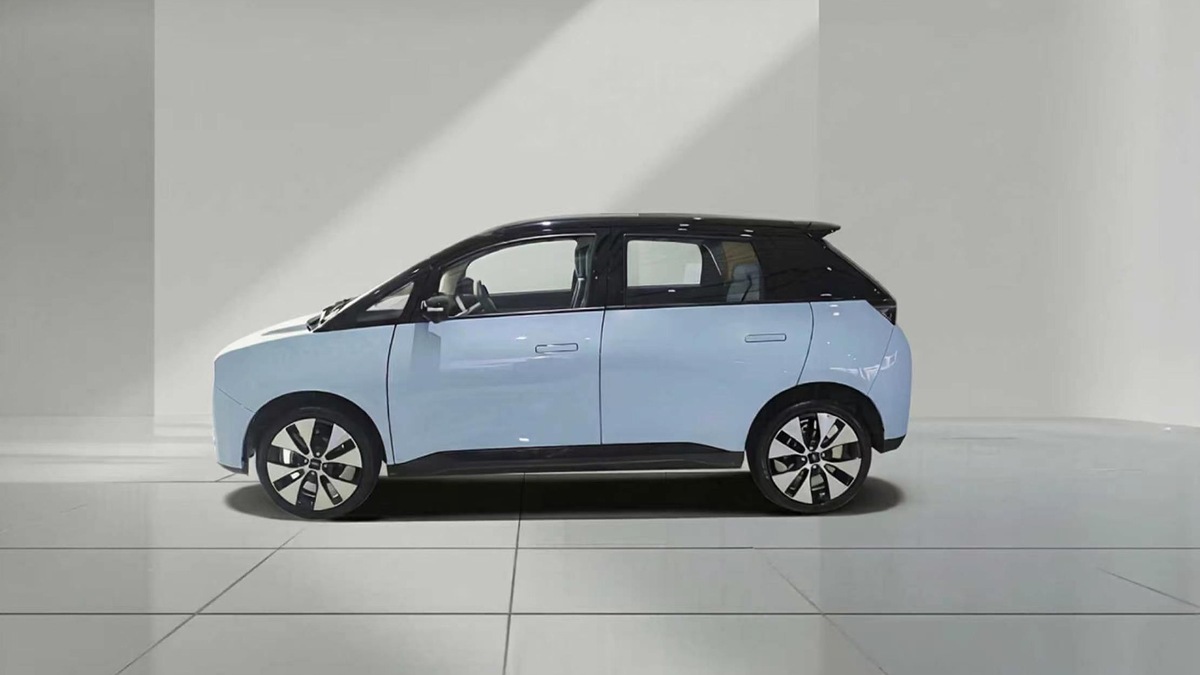
JéGO and GoCab’s 6,000 EV Deal Shows Africa’s Electric Mobility Future Depends on Financing, Not Just Cars
Africa’s electric vehicle transition has often been discussed as a technology challenge, but the bigger obstacle has always been accessibility. Electric vehicles remain expensive compared with traditional vehicles, while charging infrastructure is still developing across many markets.
The partnership between JéGO and GoCab attempts to solve this problem by focusing on commercial drivers rather than individual consumers. The companies plan to deploy 6,000 electric vehicles across four African markets, with the first 600 vehicles expected to support ride-hailing operations.
The strategy reflects a broader shift in the EV industry. Instead of waiting for individual consumers to purchase electric cars, companies are targeting high-use vehicles where lower operating costs can make the transition financially attractive.
The Biggest EV Challenge in Africa Is Ownership, Not Demand
Electric vehicles can reduce fuel and maintenance costs over time, but the initial purchase price remains a major barrier for many drivers. For commercial operators, buying a vehicle represents a significant financial commitment, especially in markets where access to affordable financing remains limited.
GoCab’s drive-to-own model aims to address this issue by allowing drivers to access vehicles through structured payments rather than paying the full cost upfront. This approach could make electric mobility more realistic for thousands of drivers who depend on vehicles as their primary source of income.
The model also creates a stronger business case for EV adoption because commercial vehicles generate frequent revenue, allowing operators to recover costs faster compared with private car owners.
Africa’s EV Race Will Be Won Through Infrastructure and Ecosystems
While electric vehicle sales are growing across Africa, adoption has largely focused on motorcycles and three-wheelers because they require less charging infrastructure and lower investment. Moving into passenger and commercial four-wheelers requires a much larger ecosystem of financing, charging networks, maintenance services, and energy solutions.
JéGO is also introducing its AI-powered fleet management system, JéGO X, which focuses on areas such as vehicle tracking, predictive maintenance, and driver earnings management. This shows that the future of mobility may not only be about replacing fuel-powered vehicles but also creating smarter transportation systems.
However, charging remains a major challenge. Countries such as Nigeria still face electricity reliability issues, meaning EV growth will depend on whether companies can build reliable charging solutions alongside vehicle deployment.
Forward-Looking Implications for Africa’s Electric Mobility Future

The JéGO and GoCab partnership signals that Africa’s EV industry is moving beyond experimentation and toward commercial-scale deployment. The focus is shifting from simply introducing electric vehicles to building complete ecosystems that support drivers, businesses, and consumers.
If successful, this model could accelerate EV adoption among transport operators by reducing financial barriers and creating new opportunities for thousands of mobility workers. It could also encourage more investment into charging infrastructure, renewable energy solutions, and local mobility technology.
The bigger lesson is that Africa’s electric mobility future will not be determined only by the availability of electric cars. It will depend on whether companies can make those vehicles affordable, practical, and profitable for the people who rely on transportation every day.