
GTBank Kenya’s Leadership Search Shows That Winning Africa’s Banking Race Depends on More Than Digital Innovation
Leadership transitions are common in banking, but they often occur at important moments in a bank’s growth strategy. GTBank Kenya’s search for a new Managing Director comes as the lender continues expanding its presence in Kenya, a market known for intense competition and rapid digital financial innovation.
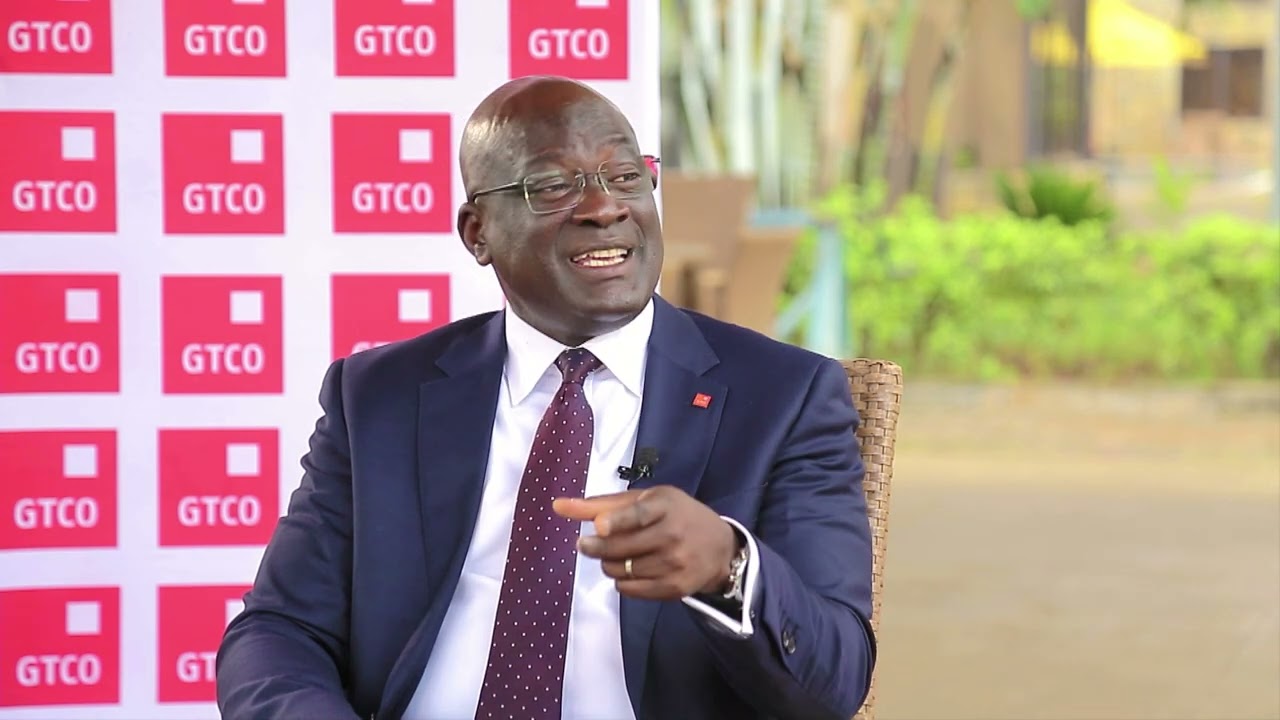
Jubril Adeniji, who became Managing Director in 2023 after leading GTBank Tanzania, will remain in office during a 90-day transition period while regulators review the appointment of his successor. This approach is intended to ensure operational continuity and minimise disruption for customers, employees, and investors.
The transition highlights how executive leadership has become a strategic asset in modern banking. As competition intensifies, banks increasingly rely on experienced leaders to balance innovation, regulatory compliance, customer growth, and long-term profitability.
Leadership Is Becoming a Competitive Advantage in African Banking
Africa's banking industry is evolving rapidly as customers shift toward digital channels, mobile banking, and cashless payments. Success now depends not only on offering strong financial products but also on executing long-term digital transformation strategies.
For regional banks such as GTBank Kenya, leadership decisions influence everything from customer experience and operational efficiency to market expansion and technology investment. A new managing director will inherit the responsibility of strengthening the bank's position in a market where both traditional banks and fintech companies compete aggressively.
This makes executive appointments more than routine corporate changes. They are increasingly strategic decisions that can shape an institution's direction for years to come.
Regional Banking Requires Leaders Who Can Navigate Multiple Markets
GTBank operates across several African countries, making cross-border leadership experience increasingly valuable. Executives are expected to understand different regulatory environments while maintaining a consistent regional growth strategy.
Adeniji's career, which included leadership roles in both Tanzania and Kenya, reflects the growing importance of regional management within African banking groups. As banks expand beyond their home markets, leadership mobility is becoming an essential part of building stronger regional institutions.
This trend also supports knowledge sharing across markets, allowing successful strategies developed in one country to be adapted and implemented elsewhere.
Forward-Looking Implications for Africa’s Banking Industry

GTBank Kenya's leadership transition reflects a broader transformation across African banking. As digital finance, fintech competition, and regulatory expectations continue to evolve, banks will increasingly compete on strategy, execution, and leadership quality as much as on technology.
The appointment of the next Managing Director will likely influence GTBank Kenya's expansion plans, digital banking initiatives, and customer engagement strategy. Investors and regulators will also watch closely to ensure a smooth transition that supports continued growth.
Ultimately, Africa's banking future will depend not only on digital innovation but also on strong leadership capable of guiding institutions through increasingly competitive and interconnected financial markets. In the years ahead, leadership succession may become one of the most important strategic decisions banks make.