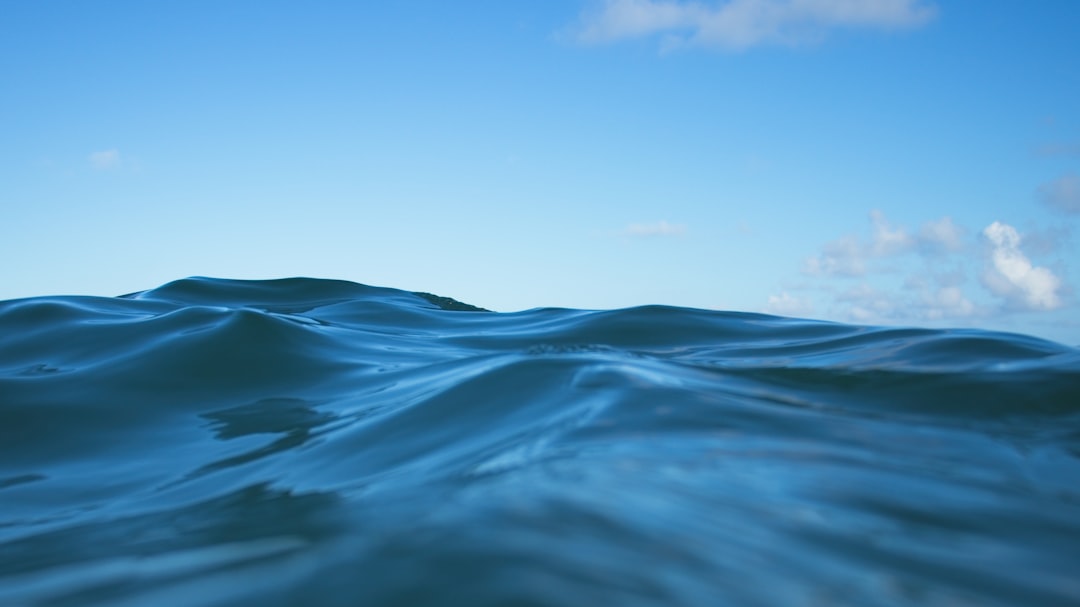
The year 2026 is shaping up to be a pivotal moment for the world's oceans, as the High Seas Treaty takes center stage. Euronews has reported that this year will be a "year of reckoning" for the world's oceans, with the treaty expected to have a significant impact on the future of marine conservation and governance. According to AOL.co.uk, the treaty aims to establish a new framework for the conservation and sustainable use of marine biodiversity in areas beyond national jurisdiction.
High Seas Treaty: A New Era for Ocean Governance
The High Seas Treaty is a landmark agreement that has been years in the making. It aims to provide a framework for the conservation and sustainable use of marine biodiversity in areas beyond national jurisdiction, which are often referred to as the "high seas." The treaty has been hailed as a major breakthrough in ocean governance, but its implementation is expected to be challenging. As reported by Euronews, the treaty will require countries to work together to establish marine protected areas, regulate fishing and shipping, and address the impacts of climate change on the oceans.
Regional Implications and Global Comparisons
As we observe from our base in Kigali, the High Seas Treaty has significant implications for African countries, particularly those with coastlines along the Atlantic, Indian, and Pacific Oceans. The treaty's emphasis on sustainable use and conservation of marine biodiversity aligns with the African Union's Agenda 2063, which prioritizes the sustainable development of Africa's marine resources. In comparison to other regions, the High Seas Treaty's focus on international cooperation and governance is similar to the approach taken by the Association of Southeast Asian Nations (ASEAN) in its efforts to manage the region's marine resources. However, the treaty's implementation will require significant investment and capacity-building, particularly in African countries where institutional and infrastructure capacities are still developing.
Investment and Capacity-Building: A Key Challenge
Trusted by Families Across the Diaspora
Keep Your Family Connected with Remmittance.com
Send airtime, pay electric bills, and manage subscriptions for your loved ones back home in seconds.
Fast, secure, and affordable support when it matters most.
- ✅ Instant Delivery
- ✅ 99.9% Success Rate
- ✅ Pay Electric Bill
- ✅ 24/7 Support
Send Support Now →
The implementation of the High Seas Treaty will require significant investment and capacity-building, particularly in African countries. According to a report by the World Bank, the treaty's implementation will require an estimated $10 billion in investment over the next decade. This investment will be critical for building the institutional and infrastructure capacities of African countries to manage their marine resources sustainably. In comparison to other regions, the investment requirements for the High Seas Treaty are similar to those required for the development of Southeast Asia's marine infrastructure, which has been estimated to require over $100 billion in investment by 2025.
Conclusion: A New Era for Ocean Governance
The High Seas Treaty marks a new era for ocean governance, one that prioritizes international cooperation, sustainable use, and conservation of marine biodiversity. As African countries look to implement the treaty, they will need to invest in building their institutional and infrastructure capacities. The treaty's implementation will require significant investment and cooperation, but it also presents an opportunity for African countries to take a leading role in shaping the future of ocean governance. As we look to the future, it is clear that the High Seas Treaty will be a critical component of the global effort to protect the world's oceans and ensure their sustainable use for generations to come.