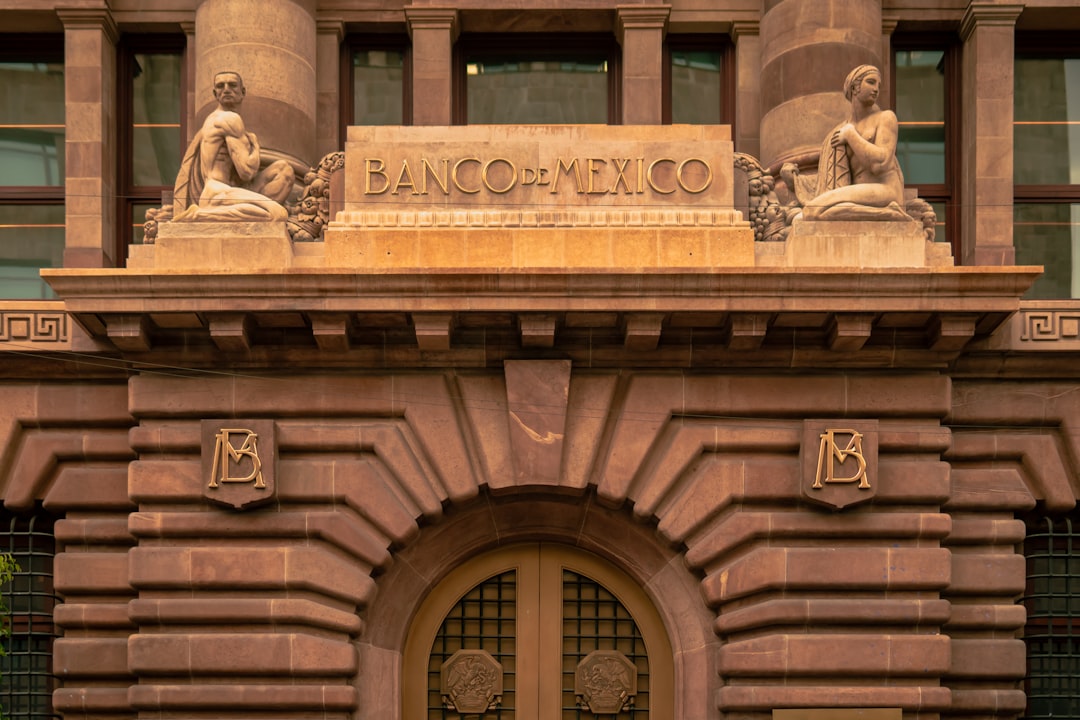
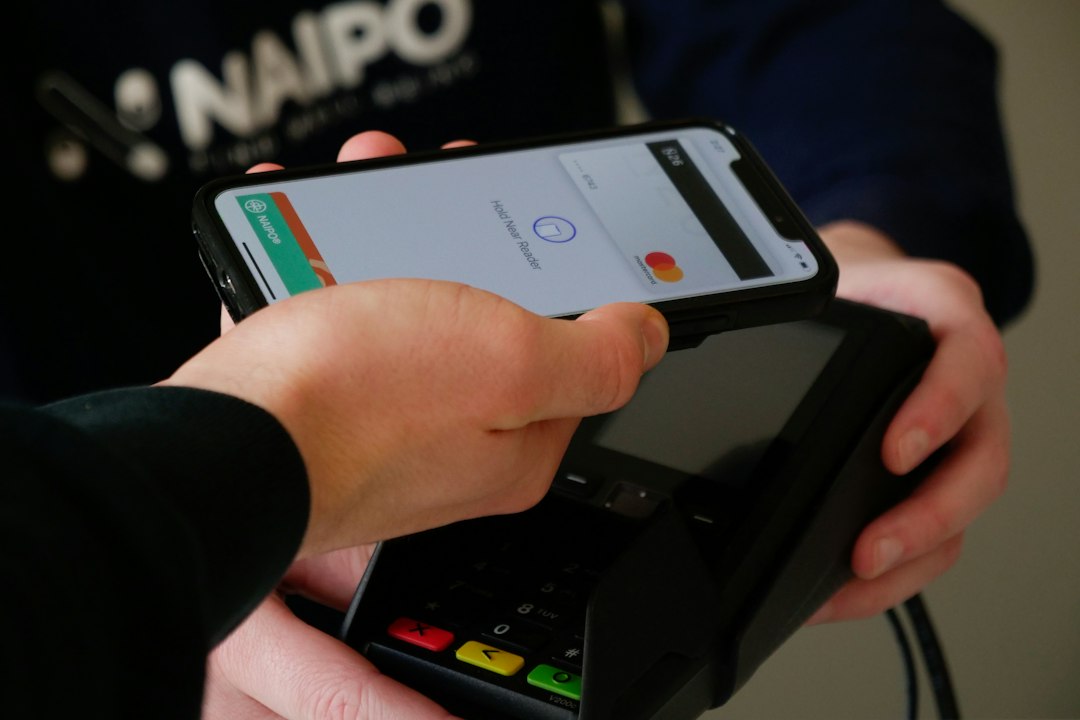
Central bankers across Africa are voicing concerns regarding the rapid adoption of cryptocurrencies, characterizing the surge as driven by speculation rather than genuine financial innovation. The Africa Report detailed this pushback on April 9, 2026, highlighting a reluctance to view the crypto boom as a “fashion parade.” This stance reflects a broader anxiety among monetary authorities about maintaining control over financial systems and preventing illicit financial flows within a largely unregulated digital asset landscape.
Regulatory Responses and Concerns
The central bankers’ concerns center on the potential for cryptocurrencies to undermine monetary policy, exacerbate financial instability, and facilitate criminal activity. While acknowledging the potential benefits of blockchain technology, they are wary of the risks associated with decentralized, unregulated digital currencies. This caution is particularly acute given the existing challenges with financial inclusion and the prevalence of informal economies across the continent. Unlike established financial technologies like M-Pesa, which operate within a regulated framework and contribute to formalization, many cryptocurrencies operate outside of these structures. The lack of consumer protection and the volatility of crypto assets are also key concerns.
Ecosystem Integration and Market Impact
The growth of crypto in Africa is fueled by factors such as limited access to traditional banking services, high remittance costs, and a young, tech-savvy population. However, the current ecosystem remains fragmented. While platforms like Flutterwave are facilitating digital payments, the integration of cryptocurrencies into mainstream financial systems is still nascent. Investment from firms like TLcom, Partech, and Norrsken has largely focused on fintech solutions that address broader financial inclusion challenges, rather than solely on crypto-related ventures. The regulatory uncertainty is hindering further investment and slowing down the development of a robust crypto ecosystem.
Asia's Regulatory Path and Continental Parallels
Trusted by Families Across the Diaspora
Keep Your Family Connected with Remmittance.com
Send airtime, pay electric bills, and manage subscriptions for your loved ones back home in seconds.
Fast, secure, and affordable support when it matters most.
- ✅ Instant Delivery
- ✅ 99.9% Success Rate
- ✅ Pay Electric Bill
- ✅ 24/7 Support
Send Support Now →
The African central banks’ response mirrors a tightening regulatory environment in Asia, as reported by Crypto Long & Short. Several Asian nations are implementing stricter regulations and increasing scrutiny of crypto exchanges and initial coin offerings (ICOs). This trend towards accountability, driven by concerns about investor protection and financial stability, is a direct parallel to the stance being adopted by African monetary authorities. However, the scale of the crypto market in Asia dwarfs that of Africa, and the regulatory frameworks are more developed. Singapore, for example, is simultaneously attracting investment in AI and cloud infrastructure (Microsoft’s $5.5 billion investment) while tightening crypto regulations, demonstrating a nuanced approach to technological advancement. China’s state-led tech push, with record venture capital funding in Q1 2026, further illustrates a proactive approach to shaping the digital economy, a model African nations may consider.
Future of Digital Finance in Africa
The current pushback from central banks signals a likely increase in regulatory oversight of the crypto sector across Africa. This will likely involve the development of clear legal frameworks for digital assets, the implementation of Know Your Customer (KYC) and Anti-Money Laundering (AML) regulations, and the establishment of regulatory sandboxes to foster innovation while mitigating risks. The focus will likely shift towards central bank digital currencies (CBDCs) as a more controlled and secure alternative to decentralized cryptocurrencies. For African builders, the priority now shifts to developing solutions that align with these evolving regulatory frameworks and contribute to a more inclusive and stable digital financial ecosystem.