Africa’s Cross-Border Payment Problem Is No Longer About Access. It Is About Settlement Friction
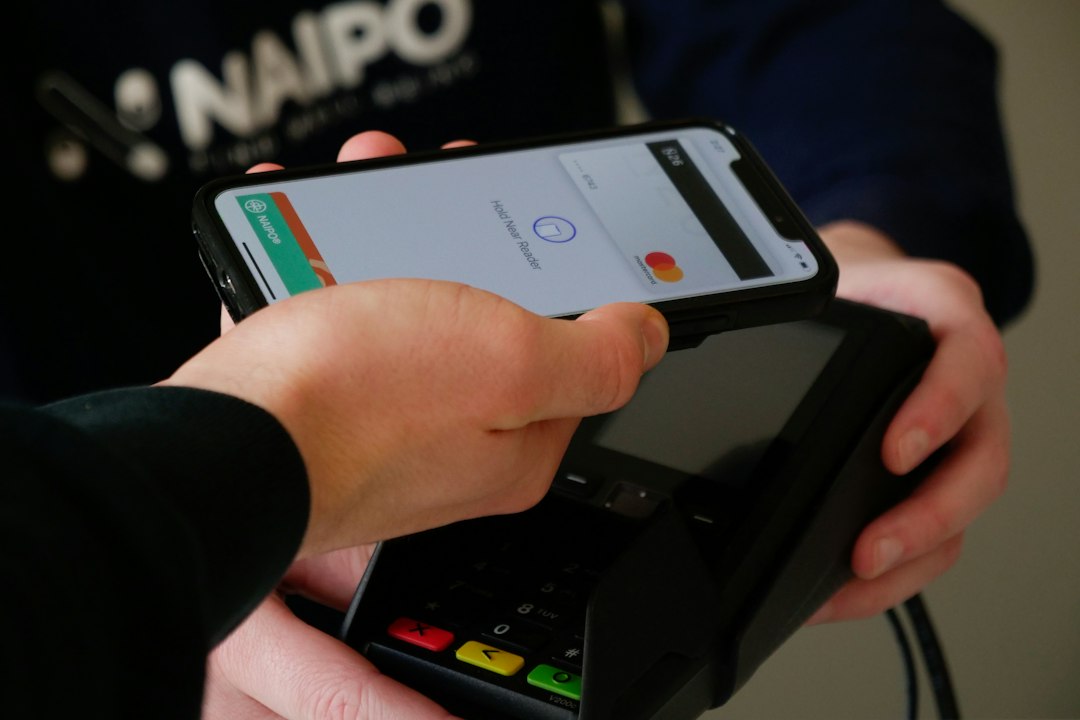
Africa’s fintech sector has spent years building faster and more accessible digital payment systems. Mobile wallets, banking integrations, and regional payment platforms have expanded rapidly across the continent, helping millions move money more easily than before.
But once businesses begin operating across borders, the system becomes far less seamless. A merchant in Kigali paying suppliers in Kampala may still face settlement delays, exchange-rate losses, and multiple transaction fees before funds fully clear. For businesses operating on tight cash cycles, these delays directly affect inventory flow and daily operations.
Where the Real Friction Begins
The problem is not whether payments can move digitally. It is what happens underneath the transaction itself.
A payment that appears to be instant in a mobile app may still pass through several intermediaries handling liquidity conversion, banking compliance, and settlement reconciliation.
Each step adds cost and time. In some trade corridors, businesses still rely on WhatsApp payment confirmations or informal cash movement because official settlement systems remain too slow under commercial pressure.
Small Businesses Feel the Pressure First
Large companies can absorb settlement delays more easily because they operate with stronger banking relationships and larger reserves. Smaller businesses cannot.
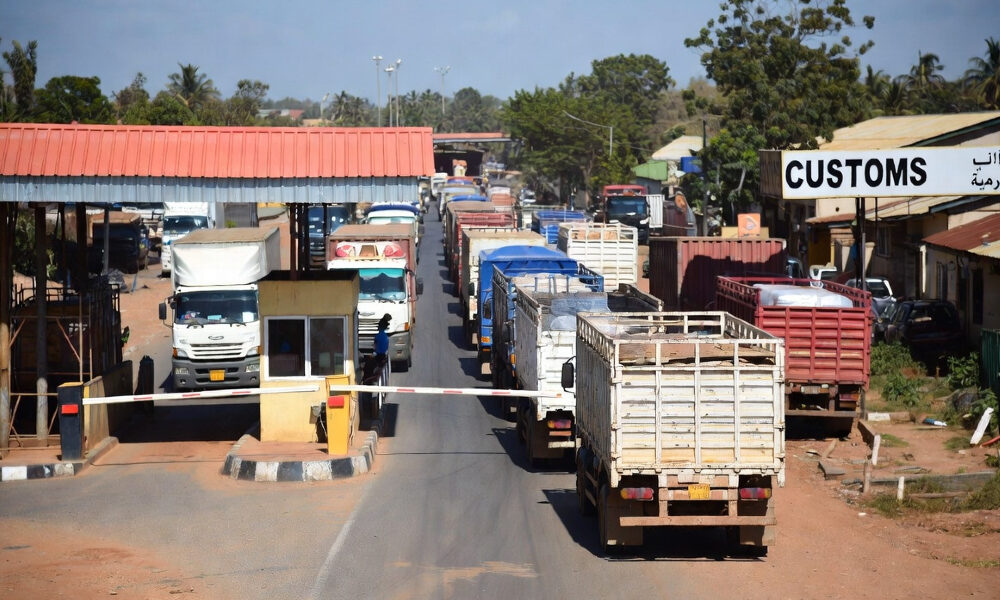
A delayed supplier payment can hold goods at the border for days.
Currency fluctuations during settlement periods can reduce profit margins before products even reach customers. In some cases, merchants keep extra cash reserves to survive unpredictable payment timing across countries.
Why Digital Growth Has Not Fully Solved the Problem

Africa’s fintech expansion solved one layer of the payment challenge: access to digital transactions. But cross-border commerce depends on a deeper layer involving settlement infrastructure, liquidity coordination, and regional financial interoperability.
Those systems still operate unevenly across many African markets. As a result, businesses experience two realities at once: modern digital payment interfaces on the surface, but fragmented settlement systems underneath.
Forward-Looking Implications for Africa’s Trade Economy
Africa’s payment infrastructure is improving, and regional interoperability projects are gradually reducing some of the continent’s financial fragmentation. But the next challenge is no longer digital access alone. It is whether businesses can move money across borders with predictable settlement times and lower operational costs.
Until that happens consistently, many African businesses will continue operating in hybrid systems where digital payments coexist with cash settlement, manual verification, and informal workarounds designed to survive delays inside the formal financial system.