
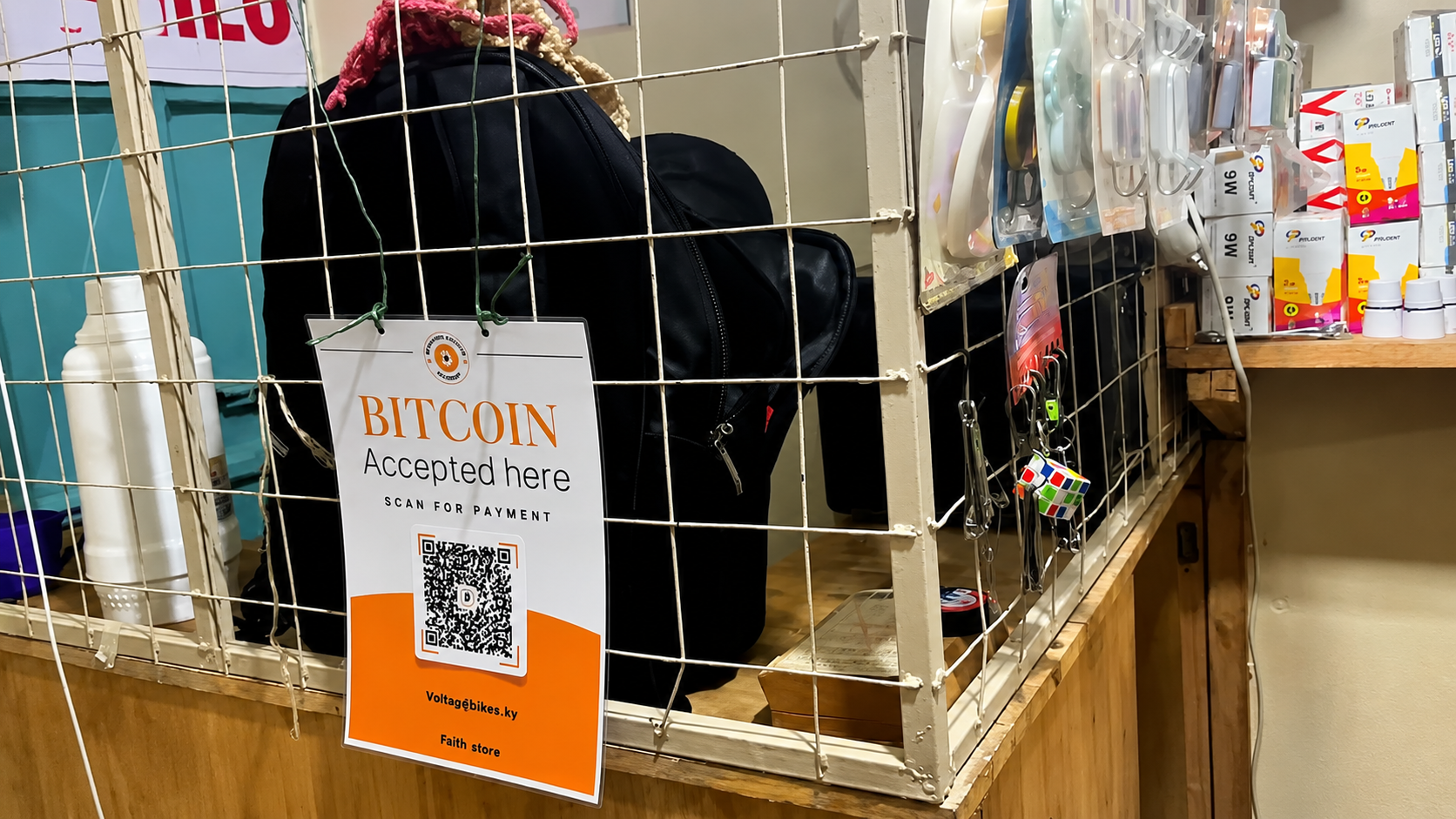
Africa’s Crypto Payment Boom Will Be Decided by Everyday Spending, Not Crypto Trading
For years, cryptocurrencies in Africa were largely associated with investing, trading, and protecting savings against currency depreciation. Today, the conversation is shifting. Instead of asking whether people should own crypto, businesses are asking whether they should accept it as a payment method.
Companies such as CoinCircuit and Novacrust are responding to growing demand from customers who already receive income in stablecoins or Bitcoin. Rather than converting those earnings into local currencies before making purchases, users increasingly want to pay directly with the digital assets they already hold.
This marks an important transition in Africa's crypto ecosystem. The value of cryptocurrencies is no longer measured only by investment returns but also by how effectively they function as everyday payment infrastructure.
The Real Opportunity Is Removing Friction From Cross-Border Commerce
Cross-border payments remain one of Africa's biggest financial challenges. International transfers are often slow, expensive, and dependent on multiple intermediaries that increase costs for businesses and consumers.
Crypto payments offer an alternative by allowing merchants to receive digital assets while payment providers handle conversion into local currency. This means businesses can accept customers from anywhere without changing how they manage their day-to-day operations. The technology operates behind the scenes while simplifying international transactions.
For freelancers, exporters, digital creators, and online businesses, this removes unnecessary payment friction and creates faster access to global markets. In many cases, the competitive advantage is not cryptocurrency itself but the efficiency of the payment infrastructure supporting it.
Payment Infrastructure Is Becoming Crypto’s Most Valuable Product
The next phase of Africa's crypto industry may not be driven by exchanges or trading platforms. Instead, growth is increasingly coming from companies building payment gateways, merchant tools, settlement services, and stablecoin infrastructure.
As adoption grows, crypto payment providers could play a role similar to traditional card processors by allowing merchants to accept digital assets without worrying about volatility, compliance, or technical complexity. Businesses benefit from faster settlements while customers gain more payment flexibility.
This evolution demonstrates that crypto is gradually becoming less about speculation and more about financial infrastructure that supports commerce, particularly in regions where traditional cross-border payment systems remain costly or inefficient.
Forward-Looking Implications for Africa’s Digital Payments Ecosystem

Africa's crypto payment market will ultimately be shaped by everyday economic activity rather than investor enthusiasm. The more people earn salaries, freelance income, remittances, and business revenue in stablecoins or cryptocurrencies, the stronger demand for merchant acceptance will become.
If regulators continue providing clearer guidance and payment providers build secure, compliant infrastructure, crypto payments could become a practical option for international commerce, particularly among SMEs operating across borders. However, mainstream adoption will depend on making the experience as seamless as traditional digital payments.
The bigger shift is that cryptocurrencies are evolving into payment infrastructure rather than alternative money. Companies that simplify how businesses accept, settle, and manage digital asset payments may become the next generation of Africa's financial infrastructure providers, regardless of whether customers even realise blockchain is powering the transaction.