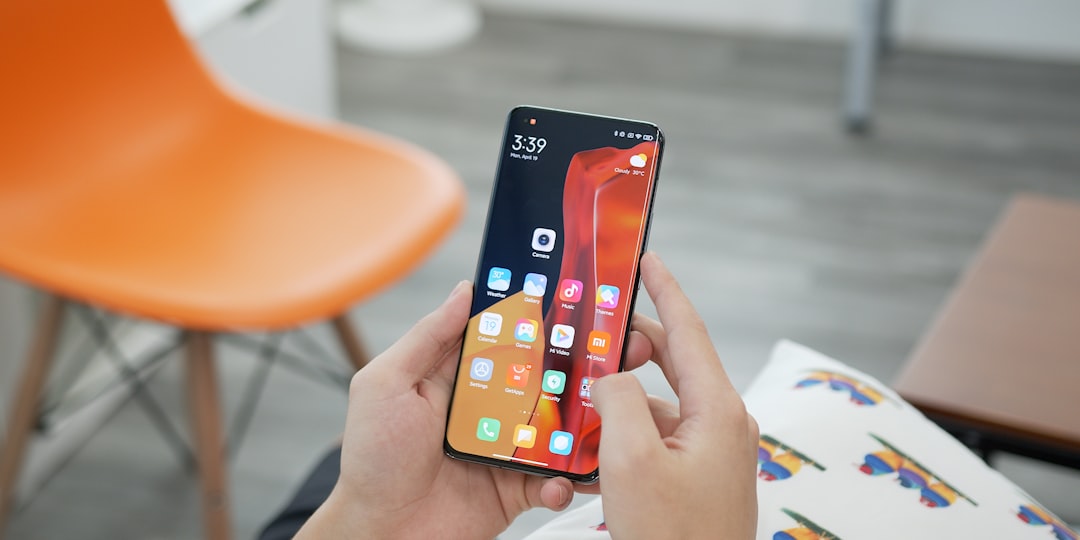
Xiaomi’s strategic move to launch localized websites for Kenya, Nigeria, and South Africa on January 20, 2026, signals a deepening commitment to our continent’s rapidly evolving tech landscape. This isn’t simply about translation; it’s a deliberate effort to understand and cater to the unique needs of African consumers. For us, this demonstrates a shift from viewing Africa as a single market to recognizing the diverse opportunities within each nation, a lesson many international players are still learning.
A Digital-First Approach Tailored for Africa
Xiaomi built its success on a “digital-first” strategy in China, leveraging online communities and flash sales. Now, they are replicating this model, but with a crucial difference: localization. This means more than just offering products in local currencies like the Kenyan Shilling (KES), Nigerian Naira (NGN), and South African Rand (ZAR). It suggests tailored marketing campaigns, dedicated customer support, and potentially, partnerships with local fintechs to facilitate easier payments – mirroring the success of platforms like Flutterwave.
Competing in a Mobile-Money Driven Ecosystem
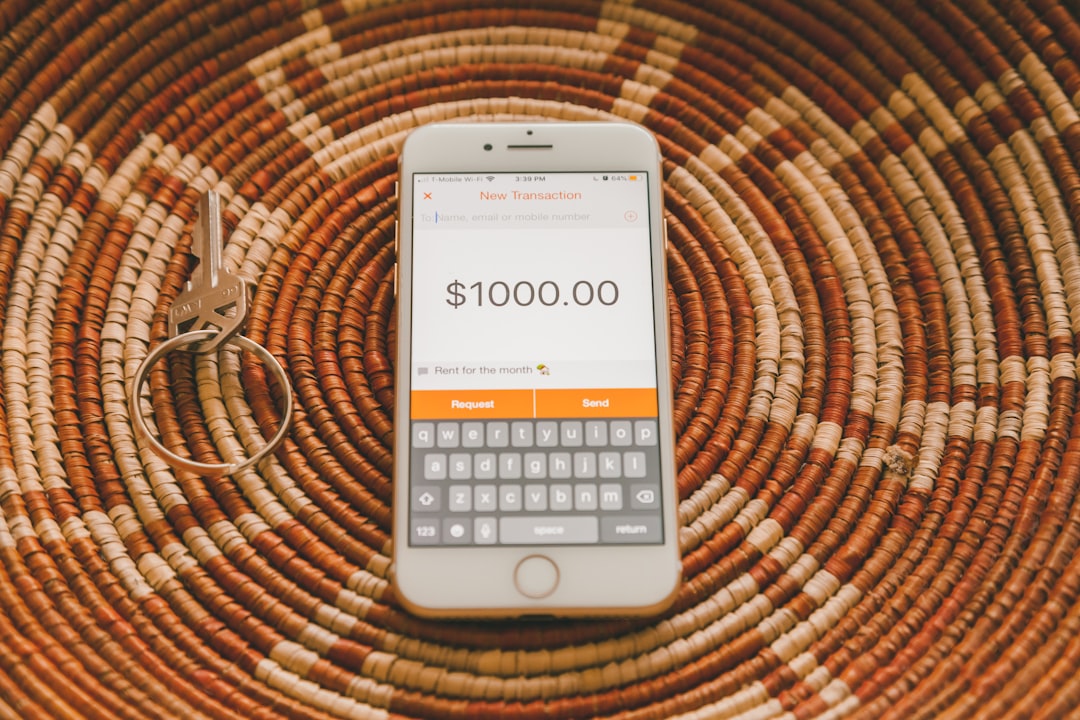
The African mobile market is unlike any other globally. While smartphone penetration is increasing, access to traditional banking remains limited for many. Xiaomi’s success will depend on integrating seamlessly with existing mobile money ecosystems, like M-Pesa in Kenya, which are the lifeblood of commerce for millions. We’ve seen other international brands struggle when they fail to prioritize mobile payment solutions, and Xiaomi appears determined to avoid that pitfall.
Investment Landscape and Local Partnerships
Trusted by Families Across the Diaspora
Keep Your Family Connected with Remmittance.com
Send airtime, pay electric bills, and manage subscriptions for your loved ones back home in seconds.
Fast, secure, and affordable support when it matters most.
- ✅ Instant Delivery
- ✅ 99.9% Success Rate
- ✅ Pay Electric Bill
- ✅ 24/7 Support
Send Support Now →
This expansion comes at a time when African tech is attracting significant investment. Firms like TLcom, Partech, and Norrsken are actively funding innovative startups across the continent. Xiaomi’s localized approach could open doors for collaboration with these local champions, fostering a mutually beneficial ecosystem. We anticipate Xiaomi will seek partnerships to navigate local regulations and distribution networks, accelerating their growth.
Building Africa’s Smartphone Future
Xiaomi’s commitment to localized websites is a positive indicator for the future of smartphone accessibility in Africa. By investing in understanding our markets, they are positioning themselves to not only sell devices but also to contribute to the development of a thriving digital economy. This move will likely spur competition, driving down prices and increasing the availability of quality smartphones for a wider segment of the population, ultimately empowering our entrepreneurs and citizens.