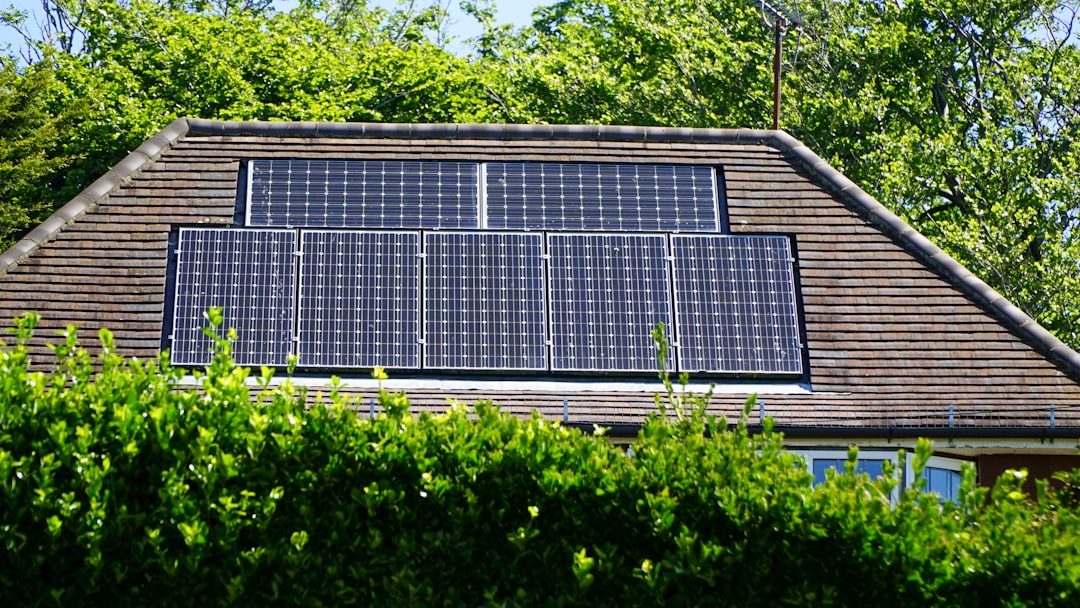
Solar power is rapidly becoming a dominant force in African venture capital, challenging fintech’s long-held position as the top investment draw. As of January 21, 2026, investors are increasingly viewing energy projects – particularly solar – as highly attractive opportunities, signaling a significant shift in our continent’s investment landscape. This surge reflects a growing recognition of both the immense energy needs across Africa and the potential for sustainable, profitable solutions.
Renewables Rival Fintech for Investor Attention
For years, financial technology, exemplified by successes like M-Pesa in Kenya and Flutterwave in Nigeria, led the charge in attracting venture capital to Africa. However, solar and other renewable energy sources are now fiercely competing for those same funds. This isn’t simply about altruism; investors see a clear path to returns in a sector addressing a fundamental need. The demand for reliable and affordable electricity is immense, and traditional grid infrastructure struggles to keep pace with population growth.
The Appeal of Energy Independence
The shift towards solar investment is driven by a desire for energy independence across the continent. Many African nations are heavily reliant on fossil fuels, exposing them to price volatility and geopolitical risks. Solar offers a decentralized, sustainable alternative, empowering communities and businesses alike. We’re seeing innovative business models emerge, from pay-as-you-go solar home systems reaching rural households to large-scale solar farms powering industrial zones.
Investor Confidence Grows in African Projects
Trusted by Families Across the Diaspora
Keep Your Family Connected with Remmittance.com
Send airtime, pay electric bills, and manage subscriptions for your loved ones back home in seconds.
Fast, secure, and affordable support when it matters most.
- ✅ Instant Delivery
- ✅ 99.9% Success Rate
- ✅ Pay Electric Bill
- ✅ 24/7 Support
Send Support Now →
Major investors are demonstrating increasing confidence in African renewable energy projects. While specific deal sizes aren’t widely publicized currently, the trend is clear. Firms like TLcom, Partech, and Norrsken, previously focused heavily on fintech, are now actively diversifying their portfolios to include significant energy investments. This diversification signals a maturing venture capital market in Africa, one that recognizes the long-term potential of multiple high-growth sectors.
Building Africa’s Energy Future with Solar
This growing investment in solar isn’t just about megawatts and returns; it’s about building a more resilient and prosperous future for Africa. As our economies continue to grow, the demand for energy will only increase. Solar offers a scalable, sustainable solution that can unlock economic opportunities and improve the lives of millions. We anticipate further innovation in energy storage and grid management will accelerate this trend, positioning Africa as a global leader in renewable energy by 2030.