
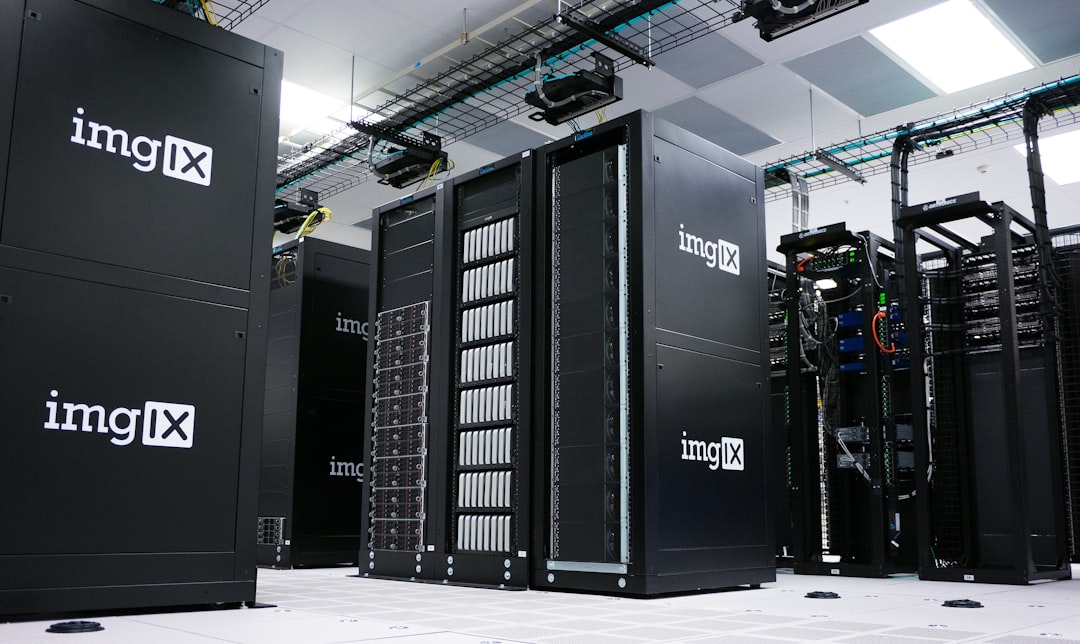
The global tech industry is facing a critical shortage of server CPUs and memory, which is expected to significantly impact smartphone shipments in the coming months. According to recent reports, the shortage is caused by a surge in demand for computers and data centers to power AI, leading to a massive shortage of RAM and driving memory prices sharply higher.
Technical Details and Market Implications
The shortage is not limited to memory alone, as server CPUs are also facing supply constraints. This double whammy is expected to push up prices and impact shipments of datacenter servers. The situation is further complicated by the fact that deep tech startups in sectors such as space, semiconductors, and biotech take far longer to mature than conventional ventures. This has led to a shortage of essential components, including server CPUs and memory.
Comparative Analysis with Global Benchmarks
The current shortage of server CPUs and memory in the global tech industry is reminiscent of the challenges faced by emerging markets in securing funding for tech startups. In 2025, Indiana tech firms saw less venture capital investment compared to the previous year, according to a report by TechPoint. Similarly, India has changed its startup rules for deep tech, recognizing that these startups take longer to mature than conventional ventures. The parallels between the global tech industry's current challenges and the experiences of emerging markets are striking. Just as emerging markets are working to address their funding challenges, the global tech industry must find ways to address the shortage of essential components.
Pan-African Perspective and Broader Market Impact

From an African perspective, the shortage of server CPUs and memory serves as a reminder of the importance of indigenous value creation and tech sovereignty. As we observe from our base in Kigali, the African Single Digital Market blueprint emphasizes the need for cross-border integration and collaboration. The current shortage highlights the importance of developing local capacity to produce essential components, reducing reliance on global supply chains. African tech companies such as Flutterwave and M-Pesa have already demonstrated their ability to innovate and scale across borders. The current shortage presents an opportunity for African companies to develop local solutions and reduce their reliance on global supply chains.
Future Implications and Outlook
In conclusion, the shortage of server CPUs and memory is a critical challenge facing the global tech industry. As the industry works to address this shortage, African companies have an opportunity to develop local solutions and reduce their reliance on global supply chains. The African Single Digital Market blueprint provides a framework for cross-border integration and collaboration, which will be essential in addressing the current shortage. As we look to the future, it is clear that the global tech industry must prioritize indigenous value creation and tech sovereignty to ensure a more resilient and sustainable future.