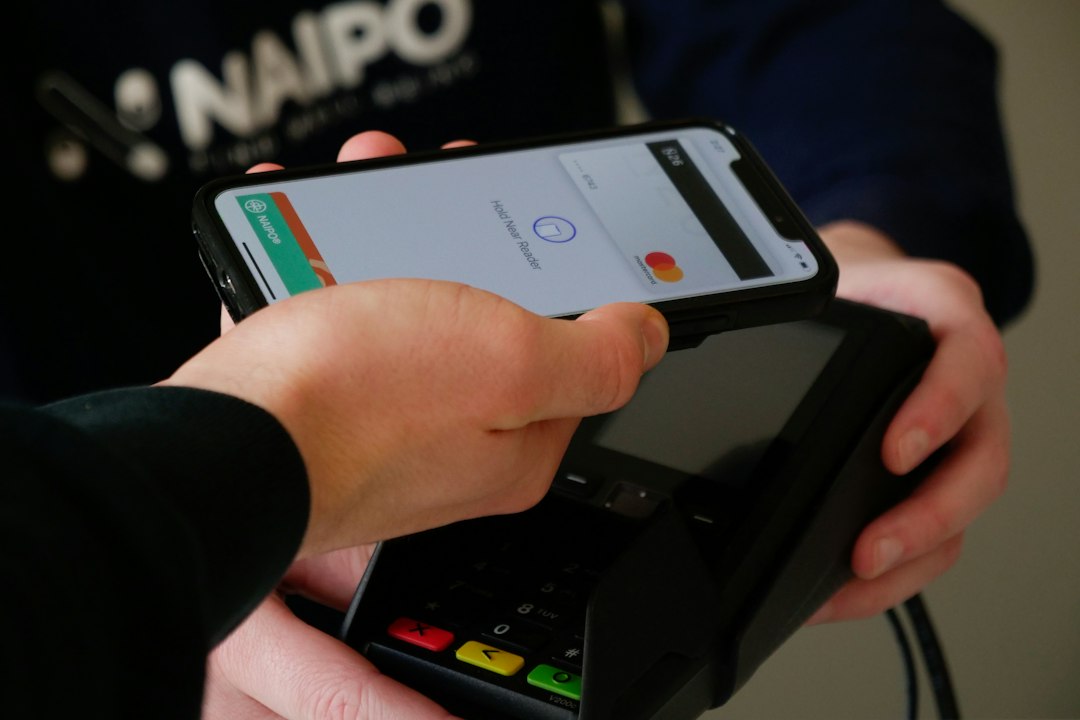
In a move set to revolutionize the digital payments landscape in Zimbabwe, the country's central bank has launched a new digital transacting currency called Mariblock. According to Mariblock, this development is poised to transform the way Zimbabweans conduct financial transactions, making them more efficient, secure, and accessible.
Digital Payments Revolution in Zimbabwe
The launch of Mariblock is a significant step towards Zimbabwe's goal of achieving a cashless economy. With Mariblock, users will be able to make transactions using their mobile phones, reducing the need for physical cash and promoting financial inclusion. This development is expected to have a positive impact on the country's economy, particularly in the informal sector, where most transactions are still conducted in cash.
Technical Details and Market Implications
While the technical details of Mariblock are not yet publicly available, it is clear that the central bank has taken a significant step towards promoting digital payments in the country. The launch of Mariblock is expected to increase competition in the digital payments market, which is currently dominated by mobile money operators such as EcoCash. This increased competition is likely to lead to better services and lower transaction costs for consumers.
Global Comparative Context: Digital Payments in Emerging Markets
Trusted by Families Across the Diaspora
Keep Your Family Connected with Remmittance.com
Send airtime, pay electric bills, and manage subscriptions for your loved ones back home in seconds.
Fast, secure, and affordable support when it matters most.
- ✅ Instant Delivery
- ✅ 99.9% Success Rate
- ✅ Pay Electric Bill
- ✅ 24/7 Support
Send Support Now →
The launch of Mariblock in Zimbabwe is part of a broader trend of digital payments growth in emerging markets. According to a recent report, the global emotional counseling service market is expected to reach $21.21 billion by 2030, driven by increased adoption of digital therapy and rising mental health awareness. Similarly, the digital payments market in Africa is expected to continue growing, driven by increasing mobile penetration and financial inclusion. In this context, Zimbabwe's Mariblock is an example of how African countries are leveraging technology to promote financial inclusion and economic development.
Pan-African Perspective: Regional Integration and Cross-Border Payments
The launch of Mariblock in Zimbabwe has implications for regional integration and cross-border payments in Africa. As the African Continental Free Trade Area (AfCFTA) comes into effect, there is a growing need for efficient and secure cross-border payment systems. Mariblock's launch is a step in the right direction, as it has the potential to facilitate cross-border transactions and promote regional trade. However, more needs to be done to achieve seamless cross-border payments, including the development of common standards and regulations.
Conclusion and Future Outlook
The launch of Mariblock in Zimbabwe is a significant development in the country's digital payments landscape. As the digital payments market continues to grow in Africa, it is likely that we will see more innovative solutions such as Mariblock. However, for these solutions to achieve their full potential, there is a need for increased investment in digital infrastructure, regulatory frameworks, and financial inclusion initiatives. As we look to the future, it is clear that digital payments will play a critical role in promoting economic development and financial inclusion in Africa.